Blog

Oct 17, 2026

BMW Gen6 Batteries in Shenyang: Why Local Production Matters

BMW is taking another step in the industrial rollout of its next-generation electric-vehicle technology. Its 16 October 2026 Shenyang announcement confirms the start of Gen6 high-voltage battery production for locally built Neue Klasse models. The market significance lies in turning a technology programme into a dependable supply system for vehicle manufacturing.

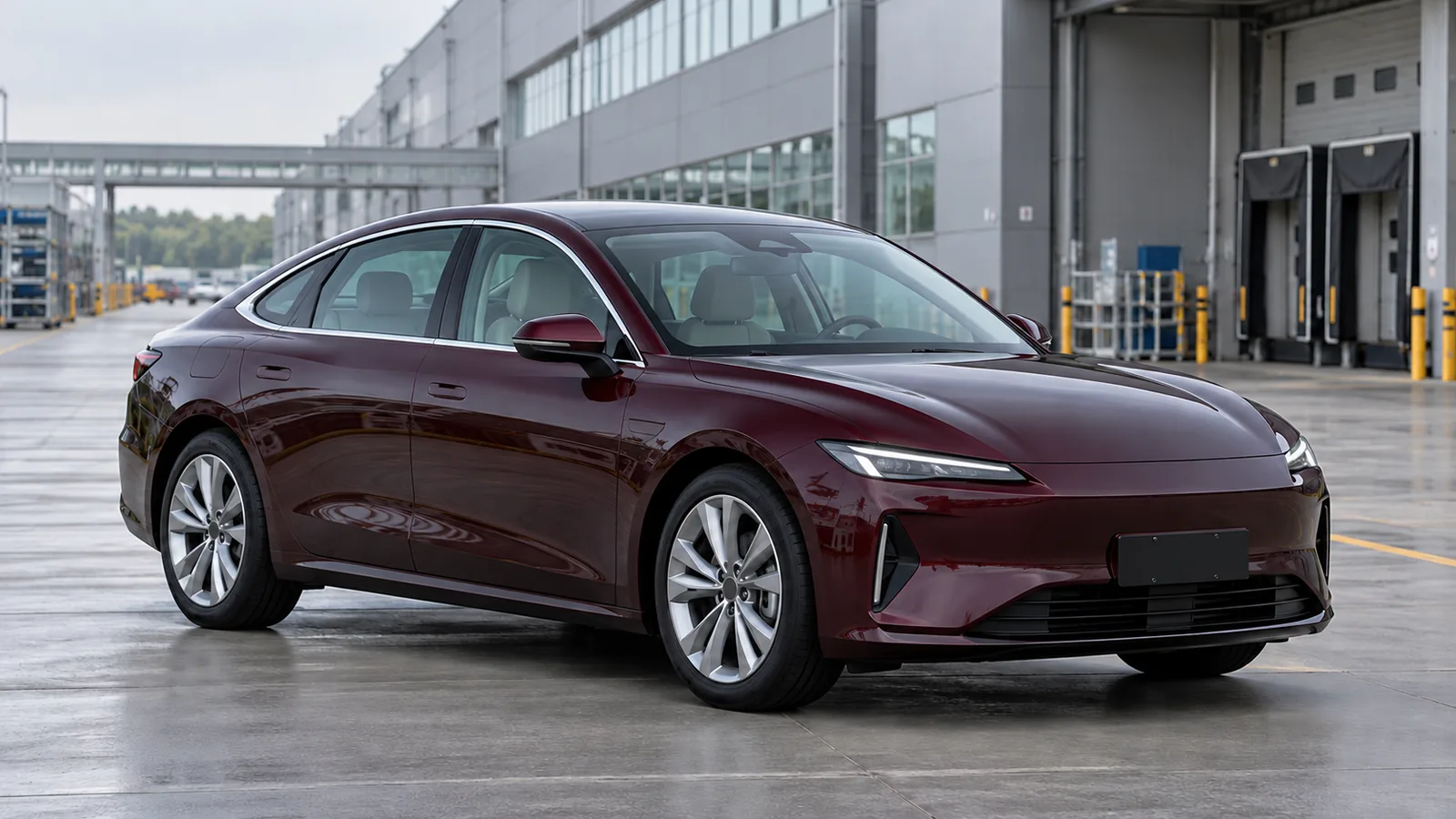
Cover illustration: an AI-generated photograph-style scene of a generic unbranded electric sedan at a factory dispatch bay. It does not depict a BMW model, Gen6 battery equipment or the actual Shenyang plant.

Where does Shenyang fit in BMW's battery network?

BMW's global release identifies Shenyang as the third Gen6 high-voltage battery production location, following Debrecen in Hungary and Irlbach-Straßkirchen in Germany. The batteries are intended for future China-built Neue Klasse models. Source: BMW's 15 October production update.

This is a regional manufacturing decision within a wider technology rollout. Our interpretation is that BMW is organising a critical component around the vehicle programmes it is meant to supply. The useful measure of success will be how consistently battery output supports those programmes as they develop.

Why manufacture batteries near the vehicle plants?

BMW says its approach is designed to shorten transport routes, support stable supply and strengthen production-network resilience, while applying common standards across locations. Source: the manufacturer's network strategy.

For market analysis, that makes coordination an important part of the story. A vehicle programme needs component supply, manufacturing readiness and customer demand to work together. Starting a battery line addresses part of that challenge; subsequent output and vehicle availability will show how effectively the pieces connect.

The announcement is therefore a concrete operational milestone. It is a useful basis for following BMW's expansion, while forecasts of future sales still require evidence of customer orders and deliveries.

What does the production process tell us?

BMW's China release describes new production lines, incoming-cell inspections, welding checks during assembly and testing of every completed battery. It also describes collaboration between local research, purchasing and production teams. Source: Shenyang manufacturing details.

These details help explain what industrialisation involves: repeating a process reliably, identifying deviations and tracing problems to their source. Buyers and market watchers should assess claims about manufacturing quality alongside subsequent product performance and the ownership support available for the actual vehicle.

How should buyers read the Gen6 technology claims?

BMW quotes more than 20% higher cell energy density than the previous generation, with charging speed and range improvements of up to 30%. It describes a cell-to-pack arrangement that integrates cylindrical cells directly into the housing. Source: BMW's generational technology comparison.

These are manufacturer technology claims. For a purchase decision, use the specifications and charging conditions for the exact model and market you are considering. A relative improvement at technology level cannot establish the journey range, charging-stop duration or price of an individual car.

What should an Indian EV buyer take from this?

The release concerns production supporting vehicles built in China. For an India purchase, confirm the applicable product specification, local availability, battery warranty and delivery commitment with the retailer. Assess charging access on your regular routes and obtain a home-installation assessment where relevant.

Prepare for that discussion: check an indicative eligible amount and estimated EMI with AutoCred before your dealer visit. Results are indicative; final eligibility, rate, tenure and approval depend on the lender.

Read more
Oct 17, 2026

Renault Kwid Evolution vs Climber: Price, Airbags and Buyer Guide

The Renault Kwid's Evolution and Climber versions offer a useful lesson for first-car buyers: compare the equipment attached to the exact version, then build the complete purchase budget. Renault's current India page presents a simplified range, while its linked brochure explains differences that are easy to miss in a headline feature list. This guide uses those documents to help you prepare a more focused showroom visit.

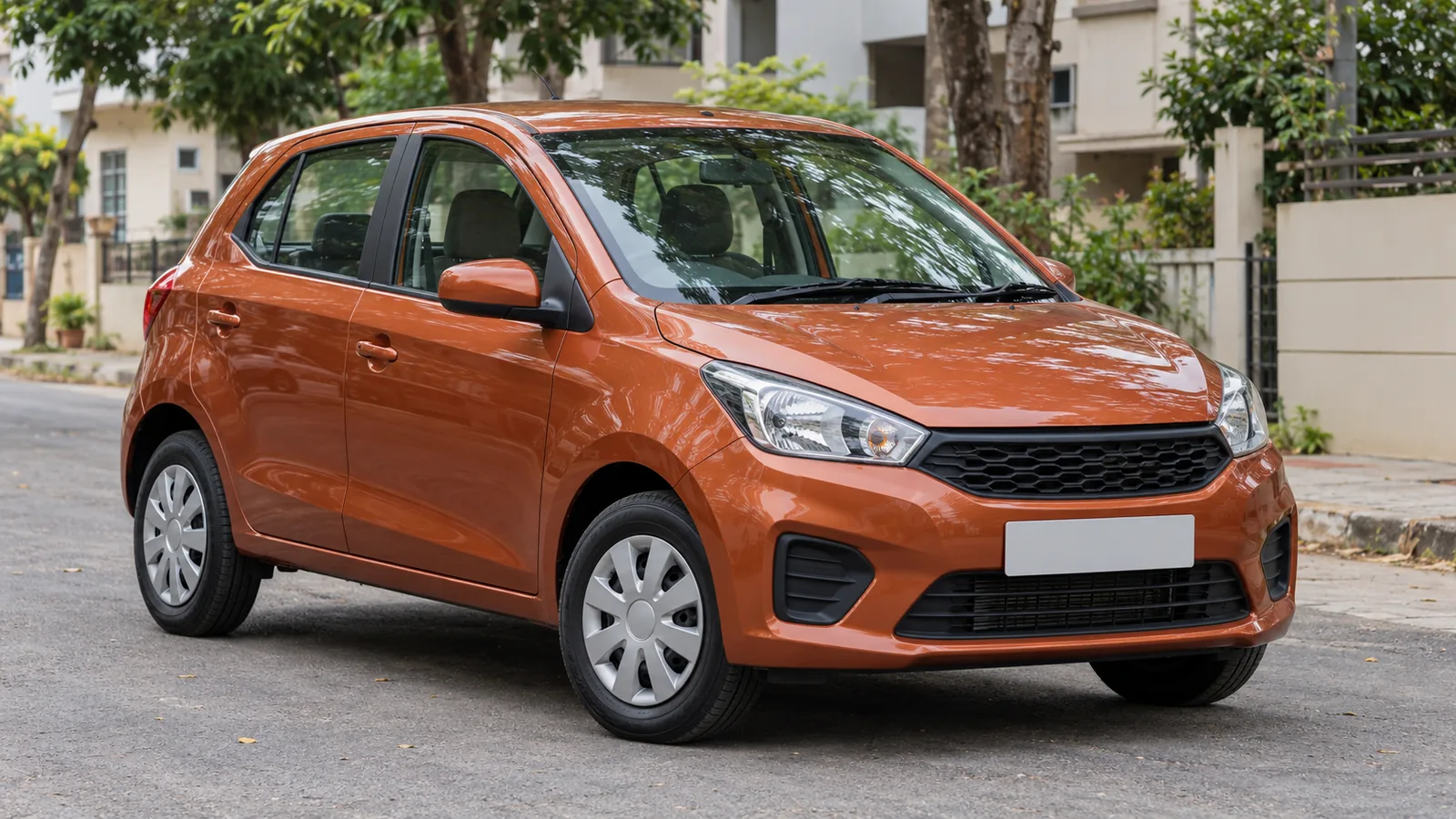
Cover illustration: an AI-generated photograph-style scene of a generic unbranded small hatchback on an Indian residential street. It does not depict the Renault Kwid or its exact design.

What are the listed Kwid Evolution and Climber prices?

Renault's India model page lists Evolution from ₹4,52,900 and Climber from ₹5,14,900. The price page identifies displayed figures as ex-showroom, exclusive of local taxes, and says the price on the purchase date applies. Source: current model listings. Source: Renault's pricing conditions.

Those starting figures are a useful reference for the range. Your comparison should use matching quotations for the precise transmission and specification you want. Keep registration, insurance and optional accessories visible as separate items, and have any advertised benefit and its conditions written into the quotation.

Which safety differences should you check?

The brochure's safety footnotes specify six airbags for Climber only. They also limit hill-start assist to Easy-R AMT versions and identify the rear-view camera as Climber-only equipment. Source: official Kwid brochure, safety section.

Read those qualifications alongside the model's general safety-feature headline. Ask the retailer to mark the relevant equipment on the specification sheet for your selected car. The practical question is which items are fitted to the vehicle you will receive, rather than how many features appear across the entire brochure.

What does Climber add for everyday convenience?

The equipment section lists rear power windows, electrically adjustable mirrors, steering-mounted audio controls, a day-night interior mirror and a reverse parking camera under Climber. Evolution lists a touchscreen with smartphone mirroring and remote keyless entry. Source: variant equipment in Renault's brochure.

Try the controls from your normal driving position and have a passenger assess rear-seat access and convenience. Check the camera image on the demonstration vehicle and adjust the mirrors yourself. These exercises help you decide which additions you will regularly use, without choosing entirely from exterior styling.

Inspect the transmission you intend to buy

Renault's brochure lists manual and Easy-R AMT choices for both versions. Source: Kwid variant descriptions. Arrange a drive in the relevant transmission, including the sort of traffic and parking manoeuvres you regularly encounter. Ask the demonstrator to explain the controls and any assistance-system limits before setting off.

Check the car with your actual ownership needs

Bring representative bags and, where possible, your usual passengers to the inspection. Assess seat comfort, visibility and how easily you can load the items you carry. Establish the service schedule, applicable warranty terms and local workshop arrangements from the current documents.

Before paying a booking amount, retain a dated equipment specification, itemised quotation, cancellation terms and delivery estimate. That gives you a clear basis for deciding whether the selected Kwid fits both your daily routine and your budget.

Prepare your shortlist: check an indicative eligible amount and estimated EMI with AutoCred before your dealer visit. Results are indicative; final eligibility, rate, tenure and approval depend on the lender.

Read more
Oct 17, 2026

MG SELECT Indore Expansion: M9 and Cyberster Retail Strategy

MG SELECT is using local product experiences to build its luxury-electric-vehicle business beyond an online enquiry. Its 15 October 2026 announcement brings the M9 and Cyberster to Indore for the first time and outlines a further local sales and aftersales plan. For market watchers, the important question is how this customer-facing activity translates into a dependable ownership proposition.

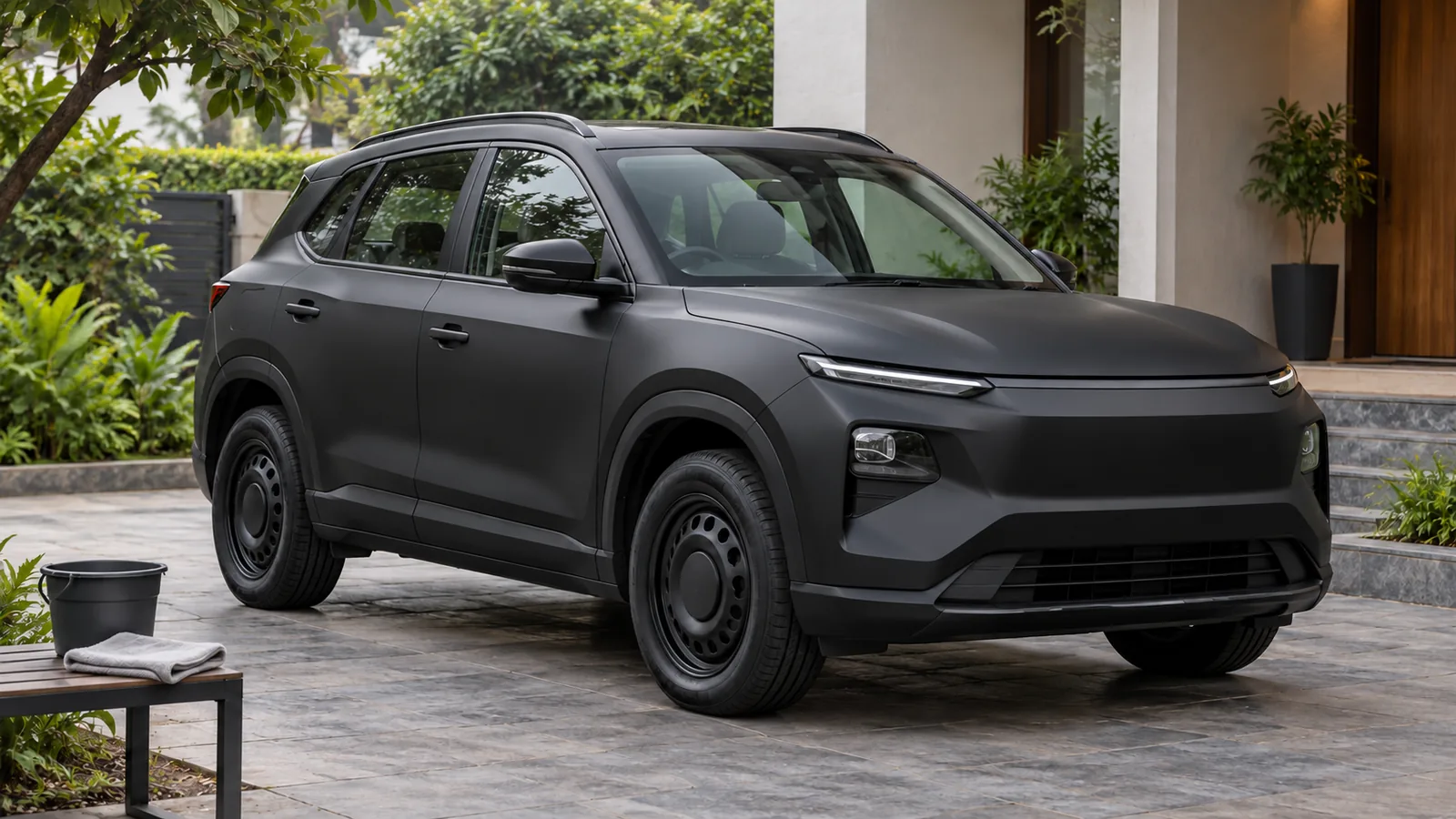
Cover illustration: an AI-generated photograph-style view of a generic unbranded executive MPV in an Indian hotel event hall. It does not depict the MG M9, an MG SELECT venue or the actual Indore showcase.

What has MG SELECT announced for Indore?

The release identifies Marriott Hotel, Vijay Nagar, Indore, for customers to experience and book the luxury EVs, with sales and aftersales activity starting on 14 October. It separately says MG SELECT is preparing a dedicated sales and aftersales presence in Indore later in the year. Source: MG's Indore announcement.

The dedicated presence is therefore an announced plan. A prospective customer should confirm the current appointment arrangements and who will handle service before relying on a future facility. The release does not provide an exact opening date for that dedicated presence.

Why can a local showcase matter to the retail strategy?

Our analysis is that a local demonstration gives prospective buyers a more practical way to evaluate an unfamiliar product. They can assess whether the cabin, access and controls suit their needs, and ask detailed questions about the purchase and ownership process before proceeding.

For the retailer, those conversations can also reveal what is preventing a purchase: product suitability, charging arrangements, delivery timing or confidence in local support. Addressing such questions is a plausible route to stronger customer engagement. The announcement itself does not establish how many enquiries will become bookings or completed deliveries.

Why show the M9 and Cyberster together?

MG positions the M9 around executive passenger comfort and the Cyberster as a two-seat electric roadster. Source: the manufacturer's product descriptions. They give the luxury channel different customer requirements to address within the same local engagement programme.

The useful buyer response is to define the job the car must do. For an executive-travel purchase, try the passenger seating and everyday entry arrangements. For a recreational purchase, assess how the car would fit your parking, regular routes and intended usage. Ask whether an appropriate demonstration drive can be arranged instead of assuming a static display settles those questions.

What should local buyers confirm before booking?

Request a dated quotation that separates the vehicle, registration, insurance and optional items. Obtain the booking, cancellation and delivery terms in writing, including what the retailer means by an estimated delivery window.

Establish the current authorised service location, appointment process and escalation contact. Ask how the proposed local presence would change those arrangements once operational. For charging, seek an assessment of your actual parking space and electrical setup, with responsibilities and installation costs explained clearly.

How should this expansion be judged?

The meaningful follow-through will be a functioning local customer-support arrangement and consistent delivery of the promised ownership experience. A showcase provides an opportunity to start those relationships; subsequent execution will determine its commercial value.

Prepare for your visit: check an indicative eligible amount and estimated EMI with AutoCred before shortlisting. Results are indicative; final eligibility, rate, tenure and approval depend on the lender.

Read more
Oct 17, 2026

Volvo EX90 India: Six Seats, Family Space and Buying Checks

The Volvo EX90's India configuration deserves a closer look if your family needs a large electric SUV with individual second-row seats. Volvo's current India listing identifies a six-seat model, making passenger count a more useful starting point than the size of the vehicle alone. This guide examines the published configuration and the checks that matter before a showroom visit.

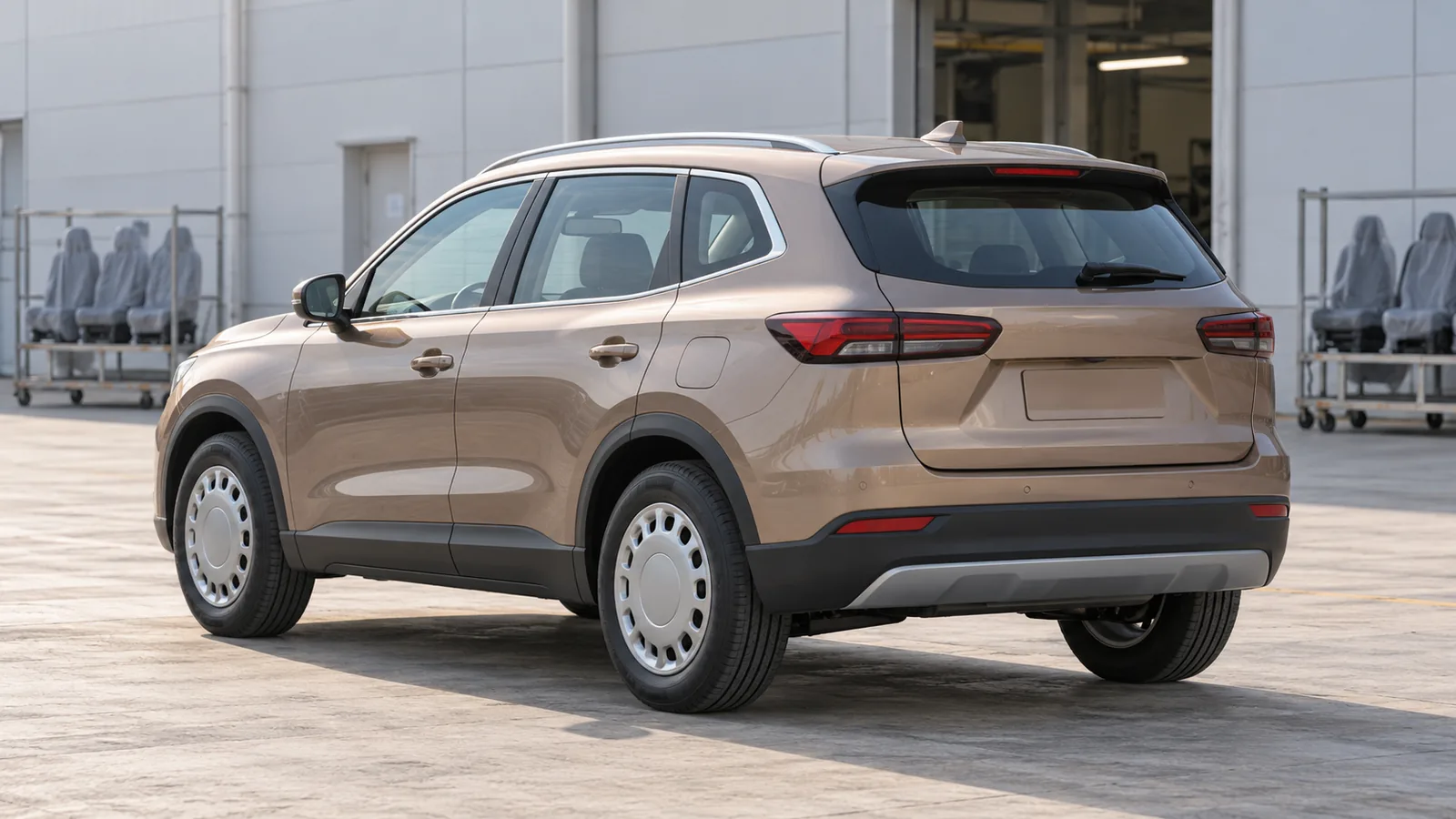
Cover illustration: an AI-generated photograph-style scene of a generic unbranded large SUV with travel bags in an Indian courtyard. It does not depict the Volvo EX90 or demonstrate its luggage capacity.

What does Volvo list for the EX90 in India?

Volvo's India overview lists the model-year 2027 EX90 Ultra from ₹1,26,00,000 and describes a six-seat cabin with captain seats. Its Ultra highlights include an electrochromic panoramic roof, ventilated seats and front-seat massage. Source: Volvo Cars India's EX90 listing.

Use the displayed starting figure to begin an itemised quotation. Confirm the selected specification, registration, insurance, accessories and charging-installation costs separately. A six-seat layout suits a different passenger requirement from a vehicle with an additional seating position; count everyone who regularly travels together before deciding that it fits.

Test the seating layout with your usual passengers

Bring the people who will use the rear cabin to the demonstration. Check entry and exit, foot space, seat adjustment and the route to the back row. If your family uses child seats, have the retailer demonstrate the approved installation positions and access arrangements using the relevant vehicle documentation.

Try these tasks in the parking conditions you expect to encounter. Comfort on a brief showroom sit is useful, but the everyday routine includes getting in with bags, helping another passenger and reaching controls while seated. Those checks will tell you more about suitability than assuming a large exterior guarantees the right cabin arrangement.

Compare luggage figures using the same measurement

The India specifications list 324 litres of open luggage capacity with the third row upright, alongside a separate maximum-capacity figure of 377 litres for that seating position. They also list a front cargo compartment and closed storage separately. Source: EX90 storage specifications.

The useful showroom exercise is to bring representative luggage and keep every passenger seat you need available. Ask the retailer to explain what each published measurement includes before comparing it with another brochure. Check the loading opening, the space your bags actually occupy and access to stored items without unloading everything.

Will its footprint suit your parking space?

Volvo lists a 5,037 mm length, 2,113 mm width including mirrors and a 12 m turning circle. Source: official exterior dimensions. Measure your parking bay and approach route, including the space needed to open doors and use the tailgate. Request a demonstration on a representative route if your building has a tight ramp or gate.

Read the range headline alongside its footnote

The overview advertises up to 625 km, but its range footnote describes preliminary WLTP estimates for a seven-seat EX90 and states that certification is pending. Source: Volvo's range description and qualification. Ask for the applicable certified documentation for your selected India configuration rather than treating the headline as a guaranteed journey distance.

Before committing, establish a workable home-charging arrangement and review the routes you commonly travel. Combine that ownership plan with a written equipment specification and delivery commitment.

Prepare your shortlist: check your indicative eligible amount and estimated EMI with AutoCred before visiting a dealer. Results are indicative; final eligibility, rate, tenure and approval depend on the lender.

Read more
Oct 17, 2026

Kia India Q3 2026 Growth: Beyond a Record September

Kia India's record September makes an attention-grabbing headline, but the more useful market question is whether growth extends beyond that month. Its 1 October 2026 sales release provides quarterly and year-to-date comparisons that help answer it. Reading those periods together offers a clearer view of the company's performance than treating a monthly record as the whole story.

Cover illustration: an AI-generated photograph-style scene of generic unbranded SUVs at a dealer forecourt. It does not depict Kia models or an official Kia dealership.

What do Kia India's Q3 2026 figures show?

Kia reported 89,259 units for Q3 2026 against 64,443 a year earlier, an increase of 38.5%. September wholesale volumes were 32,017 against 22,700, up 41%. January–September sales reached 253,008 against 206,582, rising 22.5%. Source: Kia India's official sales release.

The comparisons answer different questions. The monthly result describes the latest reported burst of activity; the quarter tests whether the performance is broader; the cumulative period adds a longer perspective. The quarter's faster growth than the year-to-date figure indicates an improvement in the reported growth pace, without establishing what will happen next.

Was the quarter driven only by September?

Subtracting September from the quarterly totals gives combined July–August volumes of 57,242 units in 2026 and 41,743 in 2025. That represents approximately 37.1% growth. These are AutoCred calculations using the same official quarter and month figures, rather than a separately disclosed monthly breakdown.

This supports a limited but useful conclusion: the quarter's improvement was not confined to its final month. It does not tell us how growth was split between July and August, nor identify the contribution of each model. Keeping those limits visible makes the result more informative than assuming every nameplate shared the same momentum.

Which products does Kia identify as growth drivers?

The company names Seltos and Sonet as key contributors, describes demand momentum for Syros EV and reports a strong customer response to Sorento. Source: Kia's portfolio commentary. That provides direction for understanding its broader product strategy, but it is not a model-by-model sales table.

Our reading is that Kia is presenting a strategy built around established products alongside expansion into additional vehicle and powertrain choices. Assessing how well that strategy works requires more than one combined volume figure. Product mix, consistent demand and subsequent performance would help test whether the expanded range sustains the momentum.

What can a buyer infer about supply and waiting periods?

Use this release as a manufacturer-sales update. It does not provide customer-registration evidence for a specific city or a delivery promise for your selected variant. An increase in overall reported volume cannot settle either question.

Ask the dealer for the status of the exact colour, powertrain and trim you want, together with a written delivery estimate. Compare that commitment with your purchase timeline. A national sales record should prompt useful availability questions; it should not replace an actual stock or allocation check.

What should you watch after the quarterly result?

Look for consistent definitions in the next release and compare like periods before drawing conclusions about demand. For your own decision, retain the dated quotation, chosen equipment specification and delivery commitment so that changes remain easy to assess.

Make the shortlist affordable: check an indicative eligible amount and estimated EMI with AutoCred before your dealer visit. Results are indicative; final eligibility, rate, tenure and approval depend on the lender.

Read more
Oct 17, 2026

VinFast VF 6 India: Range, Charging and Earth vs Wind Buyer Guide

The VinFast VF 6 presents a useful electric-car buying question: should you prioritise the largest quoted range, a stronger motor or the ease of charging where you park? This guide uses the manufacturer's India brochure to separate those choices. It is a practical assessment of the existing model, rather than a claim of a new launch or a road-test result.

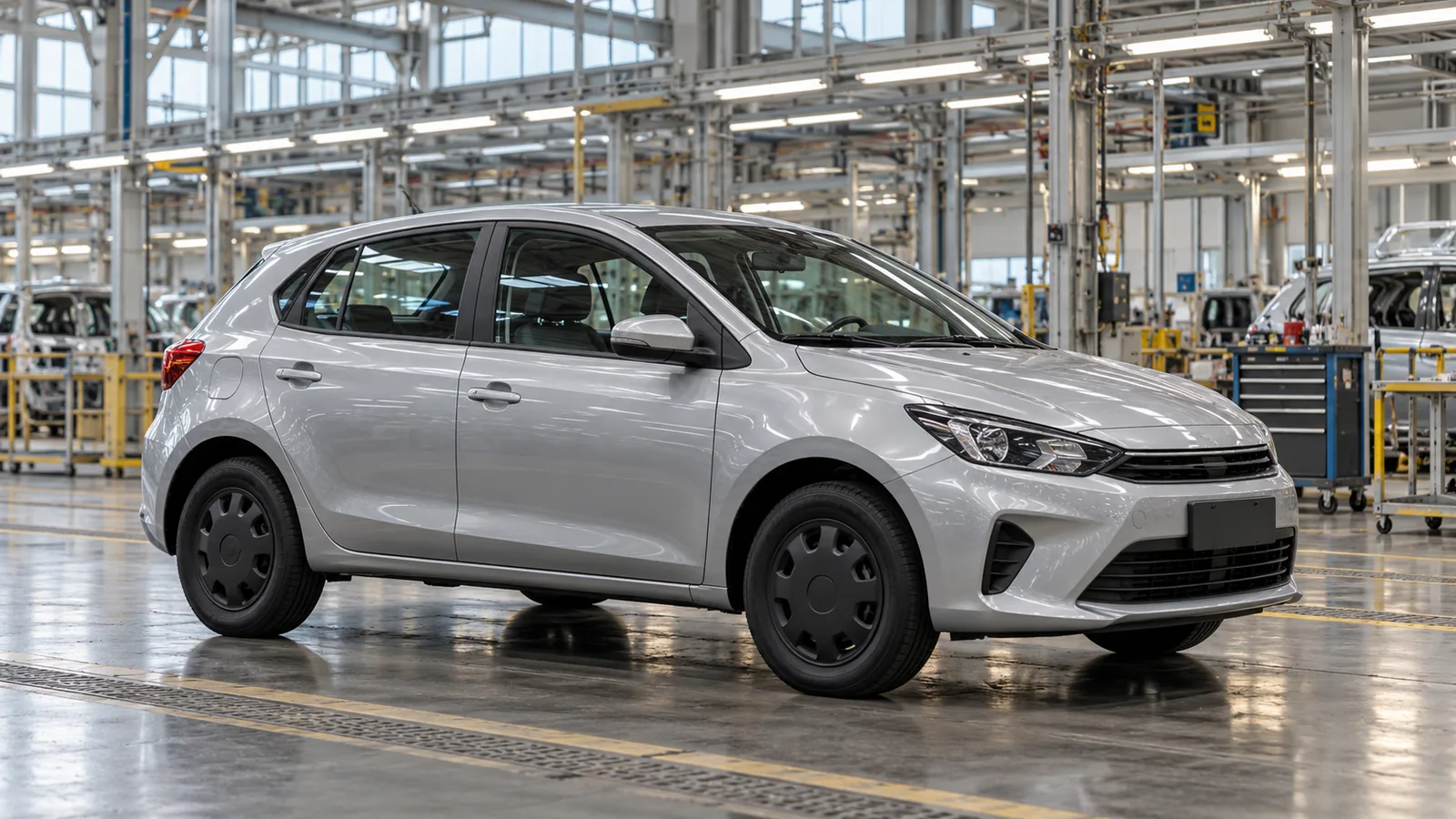
Cover illustration: an AI-generated photograph-style scene of a generic unbranded electric crossover charging at an Indian home. It does not depict the VinFast VF 6 or an official charging installation.

VF 6 Earth vs Wind: what changes in the specifications?

The brochure lists Earth, Wind and Wind Infinity variants with a 59.6 kWh usable battery. Earth is rated at 130 kW and 250 Nm, with 468 km quoted range; Wind and Wind Infinity are rated at 150 kW and 310 Nm, with 463 km quoted range. All use front-wheel drive. Source: official India VF 6 brochure.

The buying implication is straightforward: paying for the stronger powertrain does not buy the highest advertised range. Start with the driving response and equipment you actually value, then compare the written on-road quotations. Take your usual passengers on the test drive and assess smoothness in traffic, visibility and confidence when joining a faster road.

What does the 468 km range claim tell you?

The brochure identifies the maximum-range figure with Earth, tested in Eco mode under the specified MIDC procedure, and cautions that actual range varies with driving conditions and usage. Source: VinFast's range-test footnote.

Treat that figure as a comparison reference. Build your own plan around the routes you travel and the charging stops you can use. Ask the dealer to demonstrate the trip and energy displays during a representative drive. A route plan should leave a comfortable reserve rather than depend on reaching a charger with an almost empty battery.

Read the 25-minute charging claim with its full window

VinFast quotes 25 minutes for a 10–70% fast charge, alongside CCS2 connectivity, up to 7.2 kW AC charging and 100 kW DC charging. The footnote applies the time to new battery packs and identifies conditions including charger specification, ambient temperature, battery lifecycle and uninterrupted power. Source: charging specifications and conditions.

That is not a promise of a complete charge in the same time. For an outstation journey, confirm compatible chargers along the route and keep an alternative location in mind. Ask what the car's navigation or charging app can show about availability; a charger appearing on a map is only the start of planning a stop.

Check home charging before paying a booking amount

Arrange a site assessment for your actual parking space. Have the installer explain the required electrical work, permissions, cable routing and total installed cost in writing. Establish what happens if the wall unit needs service and whether your parking arrangement allows routine access to it.

During the vehicle inspection, try the connector yourself and check whether its position works with the way you normally park. This small practical detail can matter more to daily convenience than a headline charging number.

Make the final shortlist around the ownership routine

Compare the selected variant's signed equipment sheet, local service arrangements, battery-warranty terms and delivery commitment. Keep vehicle cost, charging installation and any optional accessories visible as separate items in the quotation. Choose the version that fits your driving and charging routine instead of deciding from the largest headline figure alone.

Prepare for the showroom: check an indicative eligible amount and estimated EMI with AutoCred before shortlisting or visiting a dealer. Results are indicative; final eligibility, rate, tenure and approval depend on the lender.

Read more
Oct 17, 2026

Toyota's Made with Europe Proposal: Why Local Content Matters

Toyota is making the case for a broader definition of automotive localisation in Europe. Its 16 October 2026 statement asks policymakers to recognise engineering, research, assembly and trusted international partnerships when shaping industrial rules. The strategy offers a useful way to understand why a car's manufacturing footprint involves more than the country where final assembly takes place.

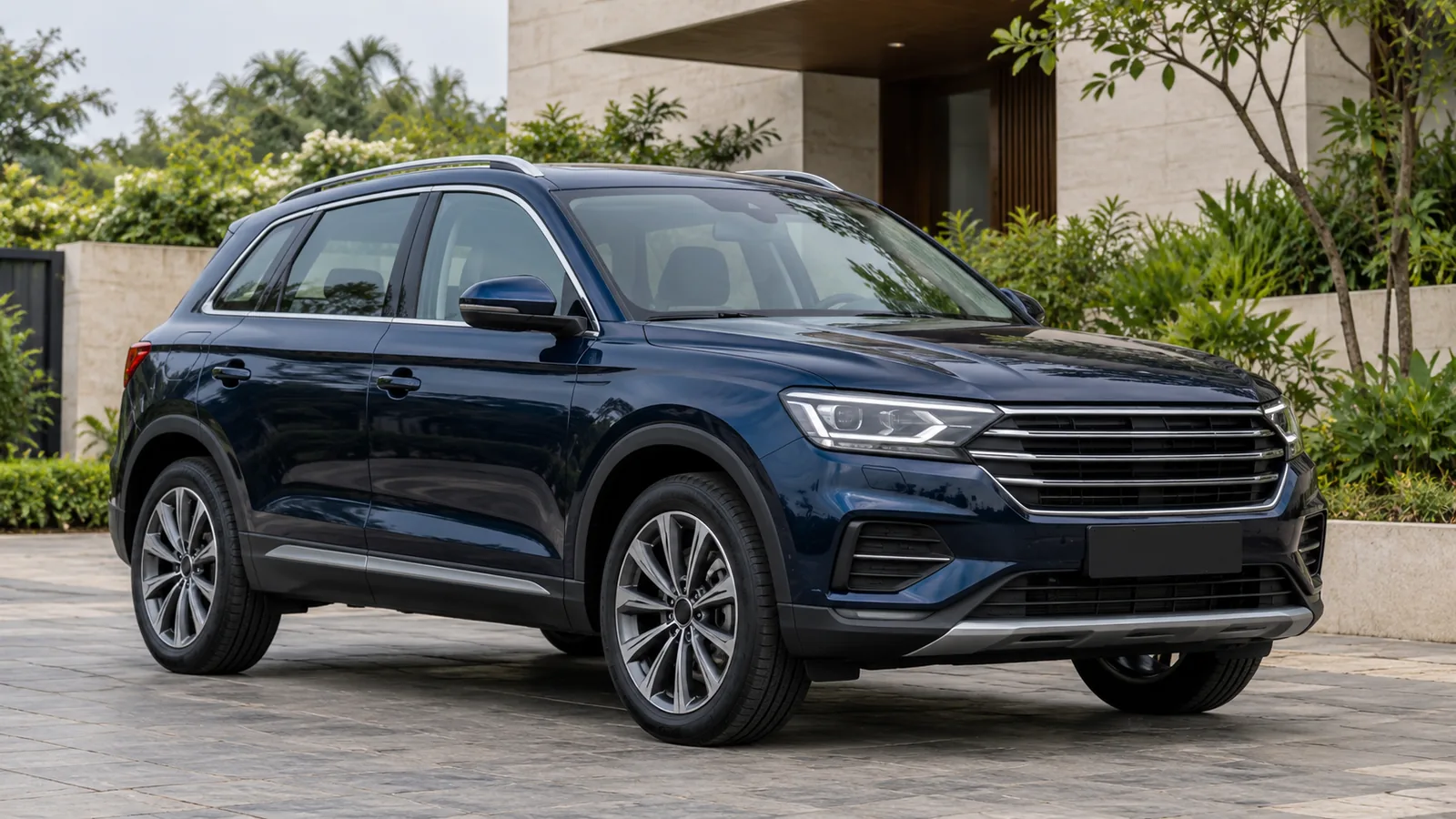
Cover illustration: an AI-generated photograph-style view of a generic hatchback in an assembly inspection lane. It does not show a Toyota vehicle or an official Toyota factory.

What is Toyota asking for under Made with Europe?

Toyota wants a framework that recognises selected reciprocal trade and customs-union partners, including the UK, Türkiye and Japan. It proposes phasing European-content requirements towards 70% after three years, measured using ex-works vehicle value and recognising engineering, R&D and final assembly. It also asks that substantive automotive requirements should not apply before 2030. Source: Toyota's industrial-policy requests.

These are the manufacturer's proposals. The statement does not establish that policymakers have adopted them. Keeping that distinction clear matters when assessing how a company is trying to influence its future operating environment.

Why does the definition of local content matter?

Consider the difference between a brand's nationality, a vehicle's assembly location and the value created across its development and supply chain. Those labels answer different questions. Toyota's position is that a policy focused narrowly on assembly or parts origin can miss other contributions to an industrial ecosystem.

Our interpretation is that the company is defending flexibility in how it combines its engineering and manufacturing resources. For market watchers, the issue is how a proposed rule would count that activity, which operations could qualify and how much time suppliers would have to adapt. A localisation headline alone cannot answer those questions.

How does this fit Toyota's powertrain strategy?

The same statement calls for technology-neutral, achievable CO₂ rules and flexibility that reflects customer demand and infrastructure development. Source: Toyota's position on emissions-policy design. This explains the manufacturer's policy preference; it does not prove that any particular powertrain will achieve a given sales outcome.

When judging the commercial strategy, separate the requested regulatory framework from subsequent execution. Evidence of investment, product availability, customer adoption and financial performance would help show whether flexibility produces results. A policy statement is a starting point for that assessment rather than a substitute for it.

What should Indian car buyers take from the debate?

The release concerns European and UK policy. It does not announce a change to an Indian model's price, specification or eligibility for an incentive. For an Indian purchase, use the applicable local product documents and a current dealer quotation.

The broader lesson is to ask precise questions about manufacturing claims. Establish where the selected vehicle is assembled, what its documented specification includes and what support the manufacturer offers for that model. Do not treat an international brand name or a broad localisation claim as a complete description of the ownership experience.

What would show whether the proposal changes the market?

Follow the final policy text, its implementation timetable and the manufacturer's subsequent operational decisions. Until those are clear, any prediction of cheaper cars, a specific factory allocation or a new India launch would go beyond this announcement.

Prepare your shortlist: check your indicative eligible amount and estimated EMI with AutoCred before your dealer visit. Results are indicative; final eligibility, rate, tenure and approval depend on the lender.

Read more
Oct 17, 2026

2026 Audi Q3 India Launch: Price, AWD and Equipment Buyer Guide

The new Audi Q3 has moved from pre-bookings to its India launch, giving buyers a confirmed starting price to work with. Audi's 16 October 2026 announcement sets an introductory price of ₹51,99,000, ex-showroom, and confirms local assembly at Chhatrapati Sambhajinagar. The practical next step is to match the chosen variant's equipment with a written ownership quotation.

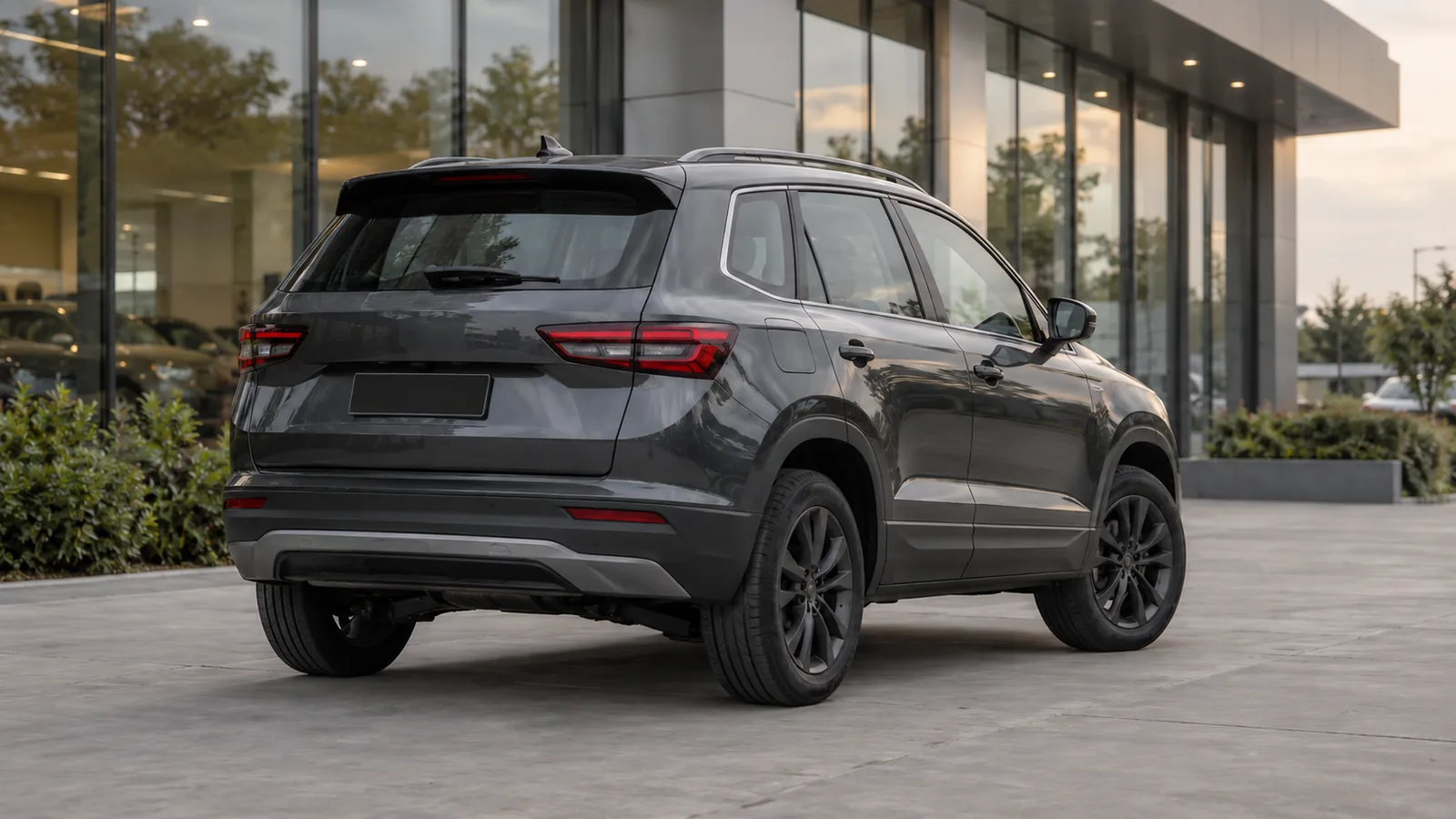
Cover illustration: an AI-generated photograph-style image of a generic unbranded compact SUV. It does not show the new Audi Q3 or represent its exact exterior design and equipment.

What is the new Audi Q3's India launch price?

The introductory starting price is an ex-showroom figure, not the complete amount payable for an individual purchase. Audi's official new-Q3 configurator lists Nova and Zenith, with Nova displayed at ₹51,99,000 during this review. Select the exact variant before requesting the final quotation.

Ask the dealer to separate registration, insurance, optional accessories and any service or protection packages. Confirm the price applicable to your order and whether any introductory ownership offer is included. Compare quotations on the same basis rather than treating a headline starting price as a promise for every configuration.

What powertrain does Audi confirm for India?

The launch release specifies a 2.0-litre TFSI petrol engine producing 150 kW and 320 Nm, paired with quattro all-wheel drive. Source: Audi India's launch specification. Both Nova and Zenith cards in the official configurator display the same power and torque figures.

Our reading is that the trim decision should therefore focus on the equipment you value, alongside the actual quotation. During a test drive, assess low-speed response, ride comfort and ease of parking on roads similar to your normal route. All-wheel drive should not replace an assessment of tyres, driving conditions and your own requirements.

Which cabin features should you confirm on your variant?

Audi's launch highlights include a head-up display, a SONOS premium sound system, power-adjustable front seats, a sliding and reclining rear bench, and three-zone climate control. Source: official cabin and comfort highlights. Treat the release as an introduction to the range and confirm the selected trim's complete equipment list before ordering.

Try the controls from your normal driving position and pair your own phone during the demonstration. If rear-seat flexibility matters, adjust the bench with your regular passengers aboard and check the remaining luggage space. A feature that looks appealing in a display car is useful only if it suits your routine and is included in the vehicle you buy.

What parking and safety equipment does the release list?

The India announcement lists Park Assist Plus with a rear-view camera, nine airbags, adaptive cruise control and front emergency brake assist. Source: Audi's parking and safety highlights. Ask for a demonstration of the camera view and assistance settings on the relevant variant. Do not infer a surround-view system from an illustration or assume assistance features can take over the driver's responsibilities.

What should you check before booking?

Record the variant, colour, included equipment, optional packages and agreed price in writing. Confirm allocation and expected handover arrangements with the dealer, and review warranty and service coverage separately. Local assembly and a public launch do not establish the delivery date of a particular order.

Prepare for the dealer visit: check your indicative eligible amount and estimated EMI with AutoCred alongside your shortlist. Results are indicative; final eligibility, rate, tenure and approval depend on the lender.

Read more
Oct 16, 2026

JLR Q2 FY27: Why Wholesales Rose While Retail Sales Fell

JLR's latest quarterly sales data sends different signals depending on which measure you read. Factory dispatches increased, while retail sales fell. For anyone following the luxury-car market, the useful question is what each number measures and how the comparison period affects the result.

This analysis uses the detailed Q2 FY27 volume workbook in JLR's results centre, rather than the provisional rounded figures in its earlier press announcement. The quarter covers the three months ended 30 September 2026. Source: JLR's reporting-period definition and provisional-data note.

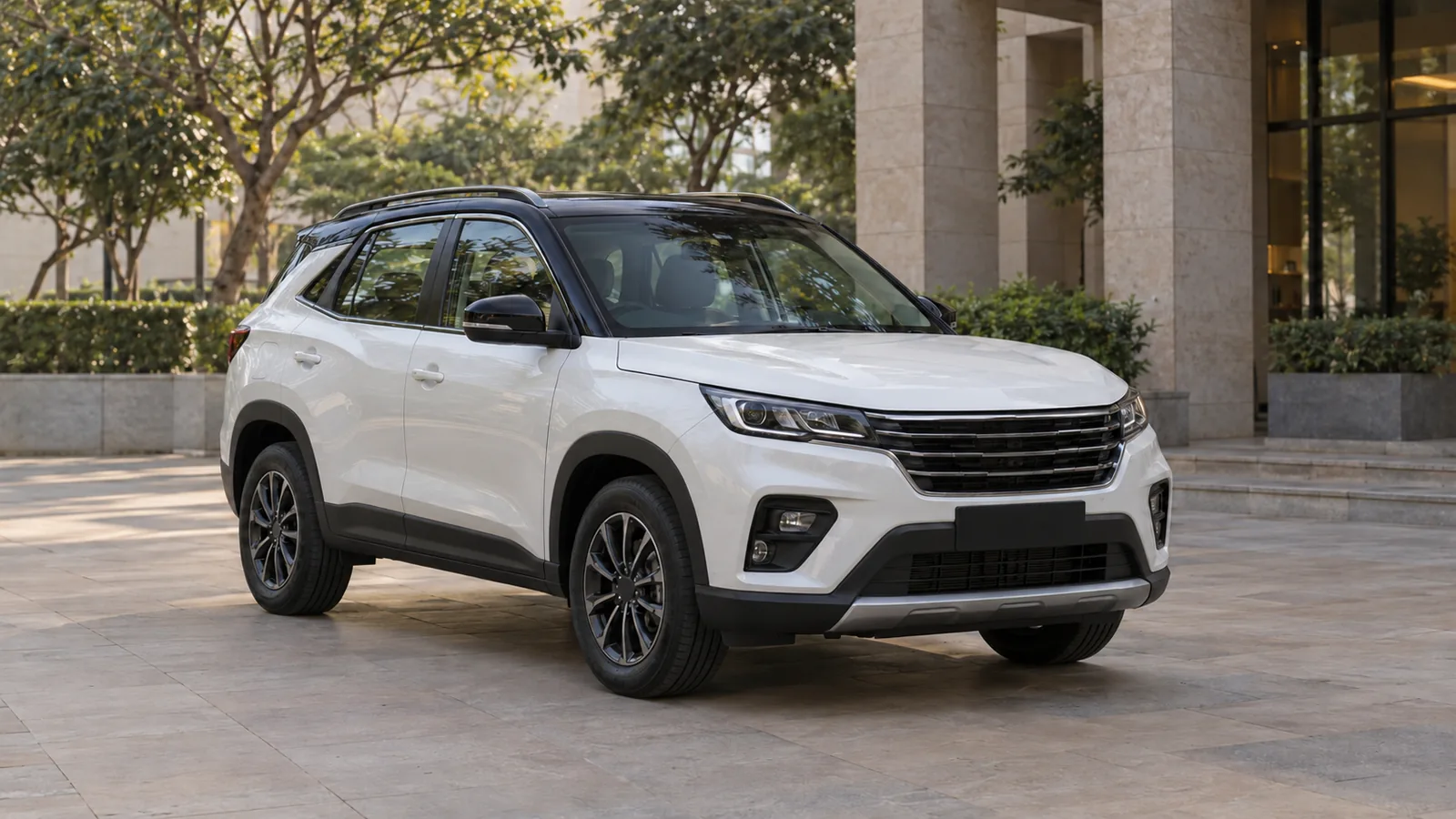
Cover illustration: an AI-generated photograph-style image of a generic unbranded SUV at a vehicle handover forecourt. It does not depict a JLR model or an official JLR facility.

JLR Q2 FY27 wholesales and retails: the confirmed figures

Global volume measureQ2 FY27Q2 FY26Year-on-year change
Wholesales82,48766,165+24.7%
Retail sales78,99485,371−7.5%

Source: JLR's detailed volume workbook, global quarter-to-date totals on the wholesale and retail sheets. Percentage changes are calculated from those totals and rounded to one decimal place.

Wholesales track vehicles supplied into the distribution channel; retails track sales to customers. They describe different stages of the business. An increase in dispatches therefore cannot, by itself, establish an equivalent increase in customer demand.

Why the cyber-incident comparison matters

JLR attributes the year-on-year wholesale improvement to recovery from the previous year's cyber incident. It says the effect on retail volumes emerged later in FY26, as retailer inventories were depleted in subsequent months. Source: JLR's explanation of the comparison base.

That timing matters. A quarter compared with a disrupted dispatch period can show a strong rebound without telling the whole story about underlying demand. Read the wholesale and retail trends together, and keep the earlier disruption in view when interpreting the headline growth rate.

What does the first-half trend show?

For the fiscal year to September, JLR's workbook records 161,775 wholesales against 153,451 a year earlier, an increase of 5.4%. Retail sales were 158,886 against 179,791, down 11.6%. The retail data includes the unconsolidated Chinese joint venture. Source: fiscal-year-to-date totals and retail scope note.

The broader period makes the difference between dispatch recovery and retail performance clearer. It is also a reminder to check reporting scope before comparing tables. Subtracting global retail sales from wholesales is not a reliable standalone calculation of dealer stock: the figures need matching coverage and a proper inventory reconciliation.

What should an Indian luxury-car buyer infer?

These are global totals, not an India sales report or a promise of local availability. They do not establish the waiting period, discount or delivery date for a particular vehicle. Request a written quotation and ask the dealer to confirm the specification, allocation status and expected handover arrangements for your chosen car.

For market watchers, the next useful evidence is whether customer sales improve alongside dispatches and how the business converts volumes into financial performance. For shoppers, the practical decision remains the car's suitability, ownership costs and a budget that leaves room for other commitments.

Plan before your dealer visit: check your indicative eligible amount and estimated EMI with AutoCred alongside your shortlist. Results are indicative; final eligibility, rate, tenure and approval depend on the lender.

Read more
Oct 16, 2026

MG Hector Blackstorm vs Snowstorm: Price, CVT and Buyer Guide

The MG Hector Blackstorm and Snowstorm editions put a styling choice at the centre of the buying decision. In its 7 October 2026 launch announcement, JSW MG Motor India priced each edition at ₹19,99,800, ex-showroom. That is the announced launch price; ask for a current written quotation showing the vehicle, registration, insurance and any chosen extras separately.

Cover illustration: an AI-generated photograph-style image of a generic unbranded SUV with a white body and black roof. It does not depict the MG Hector Snowstorm or its exact design and equipment.

Blackstorm vs Snowstorm: what is different?

MG describes Blackstorm as an all-black exterior theme, while Snowstorm combines Pearl White bodywork with a Starry Black roof. Both receive a dark cabin with black upholstery. The exterior treatment includes a dark grille, edition-specific alloys and red brake calipers. Source: MG's Storm Series release.

Start by viewing both colours outdoors. Walk around the car and inspect the finish in shade as well as open daylight. Compare the actual display vehicle with the equipment list on the quotation, particularly if accessories are fitted. Personal preference should guide the colour choice; the edition name alone does not establish a mechanical upgrade.

What engine and transmission do the editions use?

The launch specification is a five-seat layout with a 1.5-litre turbo-petrol engine and CVT automatic transmission. MG quotes 143 PS and 250 Nm. Source: official powertrain details. There is no powertrain choice between these two editions in that announcement.

Test the car in the conditions you normally drive in. Include slow traffic, a parking manoeuvre and, where practical, an incline. Assess accelerator response and cabin noise for yourself. Do not infer real-world fuel economy from the special-edition styling or assume that a sportier appearance means different transmission tuning.

Which features and accessories should you check?

MG lists a 14-inch portrait infotainment screen and a 360-degree camera with Wheel View. It also says the Storm Series accessory package can be fitted at the dealership at no extra cost. Source: MG's launch equipment and package details.

Ask the dealer to itemise the package, confirm what will be fitted before handover and record any pending items. Try the screen functions you will actually use, check the camera view in the demonstration vehicle and inspect accessory fitment. Keep convenience features separate from the driver's responsibility to observe traffic and surroundings.

What does MG's ownership package include?

The release specifies a standard MG Shield package with a three-year, unlimited-kilometre warranty, three years of roadside assistance and three labour-free periodic services. Source: official ownership terms.

Request the detailed coverage, exclusions and service schedule before signing. Have the dealer distinguish labour-free servicing from the cost of consumables, parts and any additional work. Review optional protection or maintenance products individually rather than treating every item in the quotation as compulsory.

How to choose the right Storm edition

Choose the exterior theme you prefer after confirming the exact vehicle's specification, accessory fitment and ownership terms. Compare the complete quotation with other variants on your shortlist, and base the decision on equipment you will use and a comfortable budget. Treat stock availability and delivery timing as matters for written dealer confirmation.

Prepare before visiting the dealer: check your indicative eligible amount and estimated EMI with AutoCred alongside your shortlist. Results are indicative; final eligibility, rate, tenure and approval depend on the lender.

Read more