Blog

Oct 16, 2026

FORVIA–ANAND Seating JV: What It Means for India's Car Market

India's car market is shaped by the suppliers behind the cabin as well as the brands on the bonnet. FORVIA's seating agreement with ANAND Group offers a useful example of how an automotive supplier plans to expand through local partnerships. The question for buyers is how to read that strategy without assuming that an announced venture immediately changes the cars in showrooms.

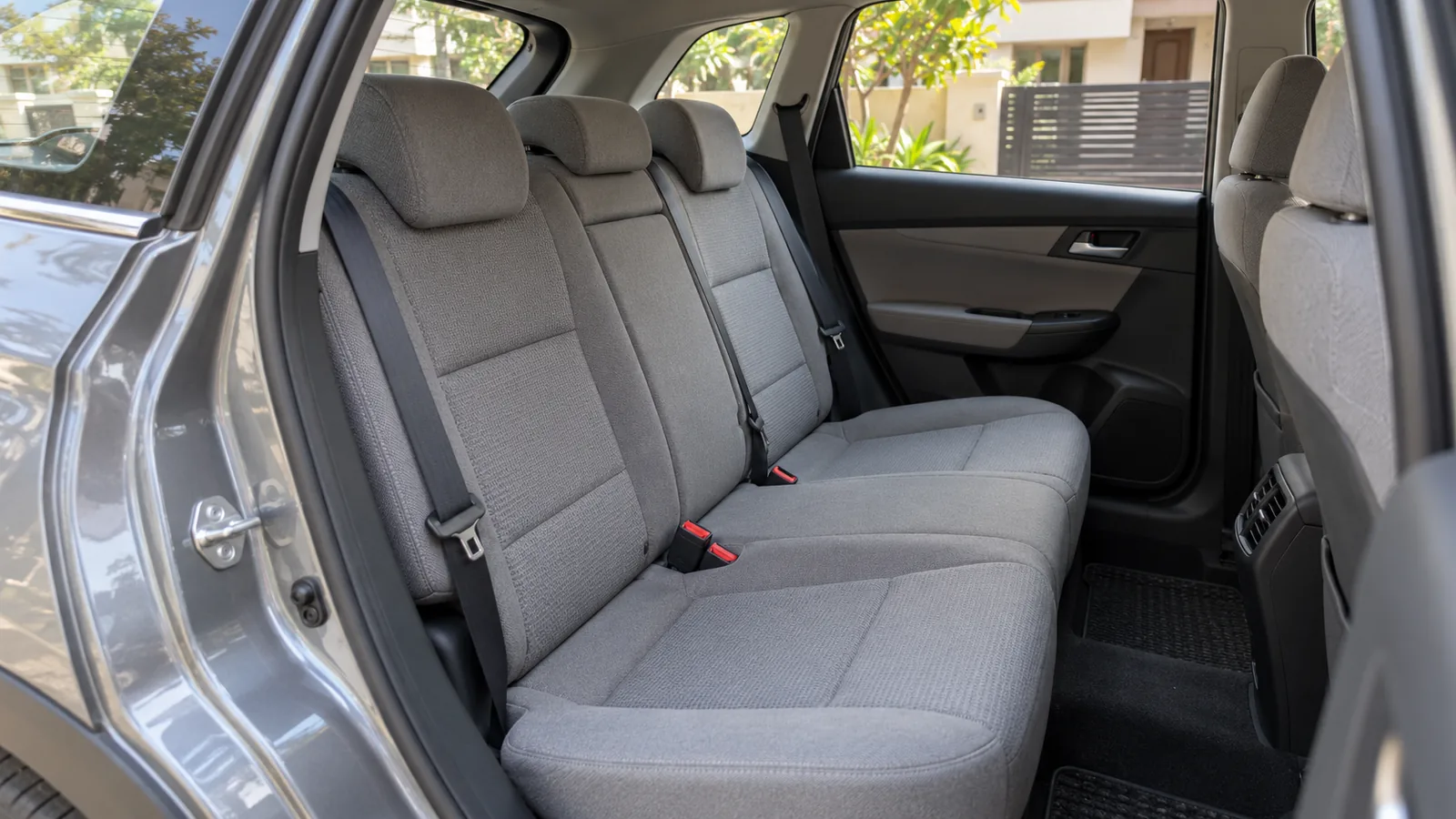
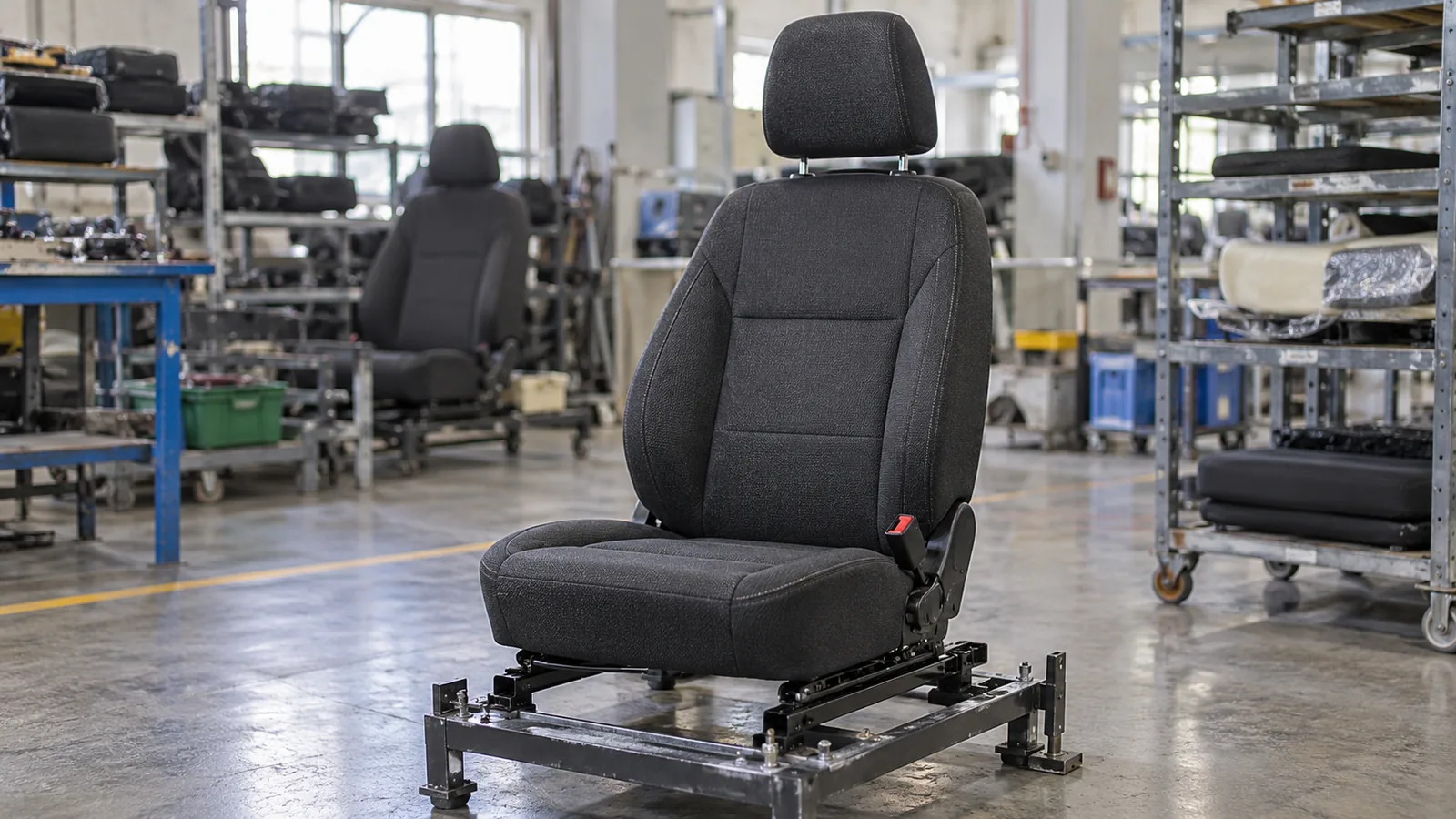
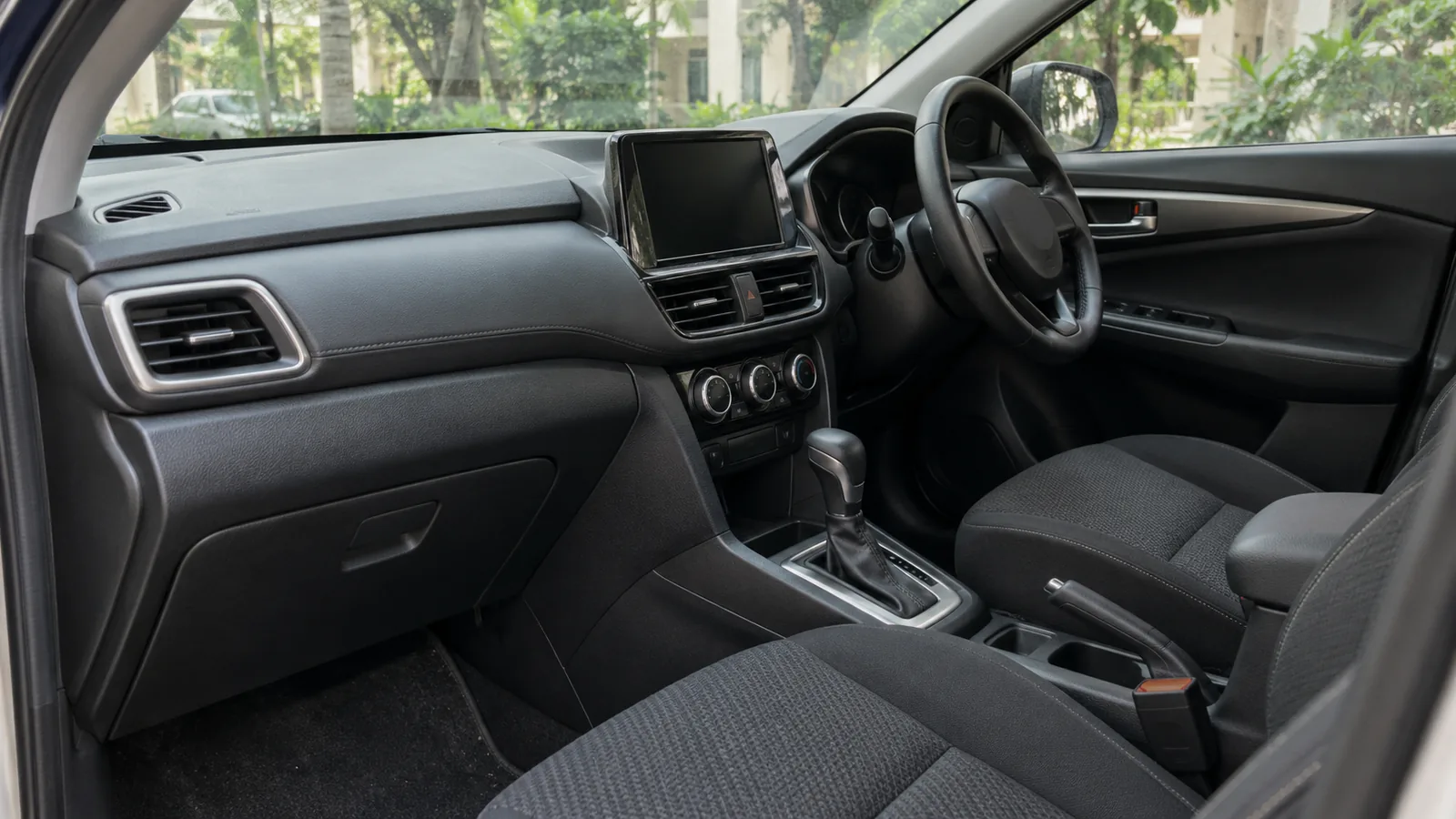
Cover illustration: an AI-generated photograph-style view of a generic automotive seat in a workshop. It does not show a FORVIA or Gabriel product, factory or customer programme.

What does the FORVIA–ANAND seating agreement confirm?

In its 6 October 2026 official release, FORVIA announced a joint-venture agreement with ANAND Group covering seat frames and complete seats. The proposed entity is Faurecia Anand Seating India Private Limited. FORVIA would control it with 50% plus one share; Gabriel India, ANAND's flagship company, would hold 50% less one share.

The release sets out an ambition for FORVIA Seating to reach approximately 10% of India's seating market within five years. It expects the transaction to close by the end of 2026, subject to customary conditions and applicable regulatory approvals. These are targets and a conditional timetable, rather than achieved market share or confirmation of completion. Source: FORVIA, pages 1–2.

Why a local partner matters to the growth strategy

FORVIA says the partnership brings its seating technology and engineering capabilities together with ANAND's local customer relationships and industrial knowledge. Source: official agreement announcement. Our reading is that access to carmakers is central to the strategy: technical capability needs to translate into customer programmes before it becomes a larger business.

That makes the next useful evidence programme awards, production readiness and delivery execution. An ownership agreement explains who will run a business. It does not establish how many seats it will supply, which vehicles will use them or how quickly revenue will follow. Tracking those milestones gives a clearer view of performance than treating the market-share ambition as a forecast already secured.

What should car buyers expect from the announcement?

For a shopper, this is a supply-chain development to watch. It is not a reason to assume that a particular upcoming car will receive a specific seat design. Wait for the vehicle manufacturer's own model and variant information before expecting ventilation, powered adjustment, different upholstery or a revised seating layout.

During a showroom visit, assess the actual seat rather than relying on a supplier's reputation. Check thigh support, backrest comfort and whether the driving position lets you reach the controls comfortably. Rear passengers should try the bench with the front seats adjusted for the people who normally use them. Comfort is personal, so include regular passengers in that assessment.

How to judge whether the strategy is delivering

Look for confirmed completion of the transaction, named customer programmes where disclosed, and subsequent evidence of manufacturing progress. Keep those operating milestones separate from consumer outcomes: a supplier partnership alone cannot establish a lower vehicle price, a better safety rating or shorter delivery times.

For buyers choosing a car now, compare the documented equipment, comfort and ownership terms of the variants actually available. For anyone following India's automotive industry, the venture provides a concrete case to track as a seating growth strategy moves towards execution.

Plan before visiting the dealer: check your indicative eligible amount and estimated EMI with AutoCred alongside your shortlist. Results are indicative; final eligibility, rate, tenure and approval depend on the lender.

Read more

Oct 16, 2026

Kia Sorento India: Hybrid or Diesel, Six Seats or Seven?

A family-SUV shortlist needs more than a preferred fuel badge. With the Kia Sorento, the useful starting points are the powertrain that suits your driving routine and the seating layout your household will actually use. This guide draws on Kia's current India product information, rather than treating an earlier launch announcement as new news.

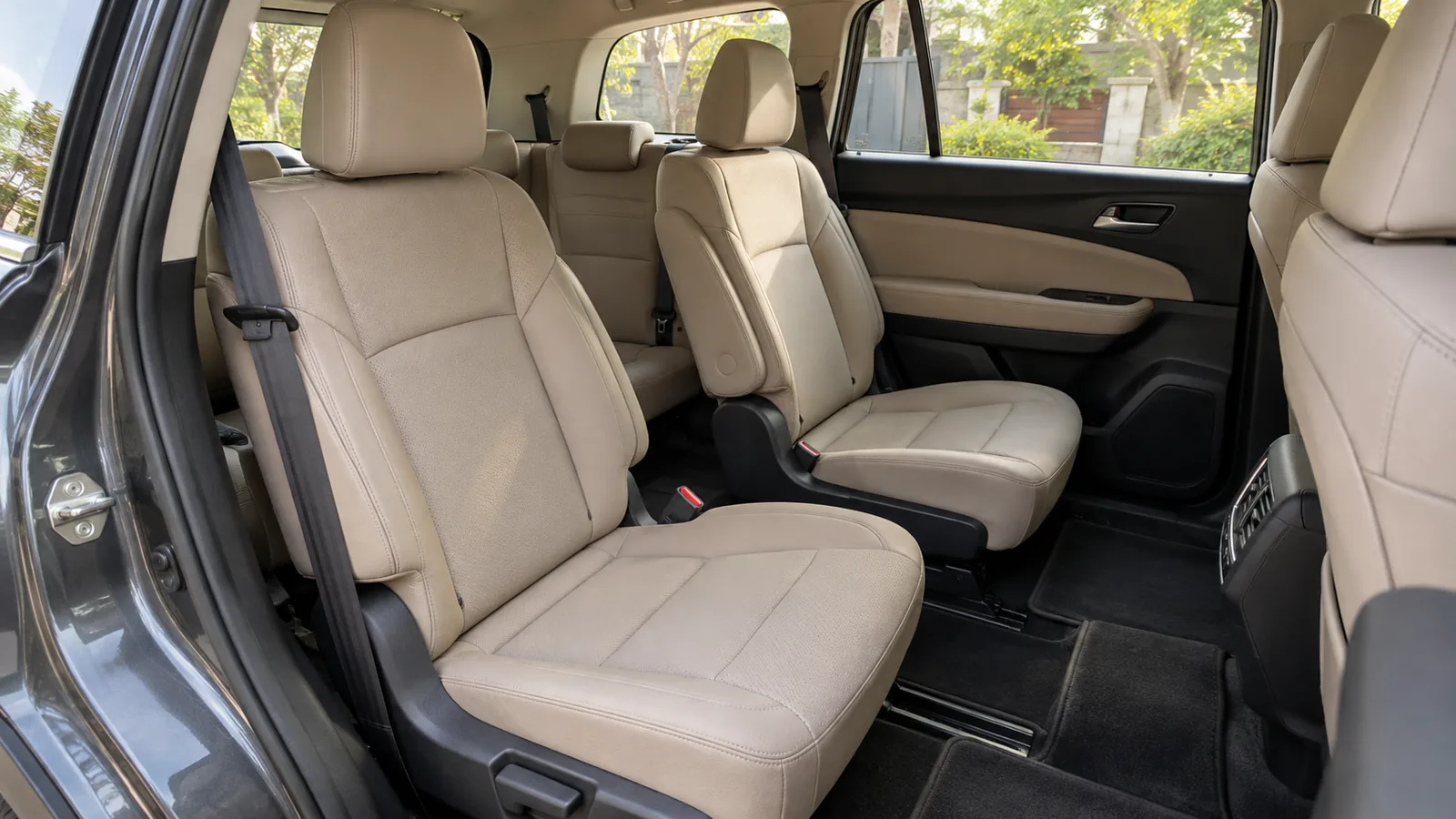
Cover image: AI-generated illustration of a generic unbranded SUV cabin. It does not depict the Kia Sorento's interior, equipment or exact seating arrangement, and is not an official manufacturer photograph.

Which Sorento powertrains does Kia list for India?

Kia's India trim-comparison page lists these combinations:

PowertrainListed transmission
Smartstream 1.6 Turbo GDi HybridSix-speed automatic
Smartstream D2.2 dieselEight-speed dual-clutch transmission

Confirm the complete configuration on the dealer's written offer, including the trim, powertrain, drivetrain and seating layout. Treat those details as a package. An equipment description or overseas review of another Sorento version is not a substitute for the specification of the vehicle being quoted in India.

How to assess the hybrid on your regular route

Use the demonstration drive to examine the situations that matter to you: moving away, repeated slow traffic, joining a faster road and settling into a steady cruise. Ask the salesperson to explain how the hybrid system is operating during the drive and when the engine is running.

Pay attention to accelerator response, braking feel and how comfortably you can make smooth progress. Try the car with the air-conditioning operating and a representative passenger load where possible. These observations are more useful than assuming a hybrid badge guarantees a particular fuel bill, a silent journey or the same experience in every traffic condition.

Give the diesel an equally representative test

Evaluate the diesel over a comparable route, rather than comparing a short showroom drive with a much longer hybrid demonstration. Assess its response when manoeuvring, pulling into traffic and maintaining a comfortable pace.

Discuss your normal journey lengths and annual use with the service team. Request the relevant maintenance schedule and handbook guidance for that usage. Build any ownership-cost comparison from current local fuel prices, realistic consumption assumptions and the written costs for the versions you are considering.

Six seats or seven: check the configuration in person

Kia's India Sorento showroom page presents six- and seven-seat choices. Verify which configuration is available with your preferred trim and powertrain before booking.

Bring the people who will use the rear rows. Check entry and exit, foot space, headroom and the effect of the middle-row position on passengers behind it. A seating capacity is not a promise that every passenger will find every row equally comfortable.

Inspect the luggage area with the seats arranged as you normally need them. Try your usual bags or pushchair, check loading access and ask to demonstrate the seat-adjustment and folding procedures. If the extra passenger position matters frequently, assess that need directly instead of choosing a layout mainly for its showroom appearance.

Compare the complete ownership proposal

Ask for itemised quotations separating the vehicle, insurance, registration, accessories and service packages. Review the applicable warranty documents, including hybrid-system coverage for the version being offered. Confirm the equipment and delivery estimate in writing.

The stronger choice is the configuration that works for your passengers, journeys and budget together. A meaningful test drive and a clear ownership proposal should carry more weight than an unsupported mileage or savings claim.

Prepare your finance plan before visiting the dealer. Check car-loan eligibility with AutoCred for an indicative eligible amount and estimated EMI before shortlisting. Results are indicative; final eligibility, rate, tenure and approval depend on the lender.

Read more

Oct 16, 2026

Hyundai Pune Plant: What Its Venue Export Programme Means

Hyundai's Pune inauguration provides a concrete view of how its Indian manufacturing footprint is being used for overseas markets. The company formally inaugurated the Talegaon facility on 14 October 2026. The important development is the plant's stated export programme and the execution needed to turn installed capacity into sustained vehicle shipments.

Cover image: AI-generated illustration of a generic unbranded crossover in a seaport setting. It does not show a Hyundai Venue, the Pune plant, an actual Hyundai export location or an official manufacturer photograph.

Pune's Venue programme is focused on global markets

Hyundai says the plant will manufacture the all-new Venue exclusively for global markets, with exports planned to expand to more than 35 countries. The official inauguration release describes that intended reach; it does not say all those destinations are already receiving shipments.

For the business, an export programme creates a route to serve demand beyond the domestic market. Making that work requires more than assembling a common vehicle body. The production plan must be coordinated with the configurations ordered by overseas markets and with the logistics needed to move completed vehicles.

Separate operating scale from the expansion target

MeasureWhat Hyundai announced
Initial installed annual vehicle capacity170,000 units
Planned annual vehicle capacity by 2030320,000 units, through phased expansion

Source: Hyundai's Pune plant operating and expansion overview.

These figures describe the scale of the facility and its planned development. To assess commercial progress, follow actual output and export dispatches alongside the capacity numbers. A production line can be installed before its operating rhythm, model mix and outbound schedules reach the intended level.

The difference also matters when comparing manufacturers. A future capacity target and vehicles already produced are different measures. Combining them as though both represented completed sales would overstate the evidence.

Manufacturing systems and suppliers are part of the strategy

Hyundai describes AI-assisted inspection, predictive maintenance and digital production tools at Pune. It also says 55 supplier partners have already invested nearly ₹4,600 crore in Maharashtra. These are details from the company's manufacturing and supplier update.

The commercial questions concern how consistently the plant and its suppliers can deliver the required parts and completed vehicles. Useful future evidence would include operating performance, quality measures and progress in serving the intended export destinations. Technology labels alone do not quantify a reduction in defects or prove a particular ownership outcome.

For the supply chain, a coordinated vehicle programme can offer a basis for planning production and development work. Its benefits still depend on execution, including meeting the specifications and delivery requirements of the markets being served.

What Indian car buyers can take from the announcement

The release establishes Pune's stated export role. It does not provide dealer-level allocations or delivery dates for Indian customer orders. For a purchase now, assess the exact car and written offer available locally, including its specification, warranty, service support and complete on-road cost.

Treat future expansion as a milestone to monitor, rather than an automatic promise of lower prices or shorter waiting periods. The most useful buying evidence remains the configuration you can order and the delivery commitment the dealer will put in writing.

Prepare before comparing showroom offers. Check car-loan eligibility with AutoCred to see an indicative eligible amount and estimated EMI before shortlisting or visiting a dealer. Results are indicative; final eligibility, rate, tenure and approval depend on the lender.

Read more

Oct 16, 2026

Mahindra XUV 3XO ZNG: Launch Prices and October 20 Bookings

Mahindra's new XUV 3XO ZNG puts turbocharged performance at the centre of its CNG proposition. The company announced the model on 15 October 2026. For buyers, the useful comparison is how the confirmed powertrain, equipment and purchase terms fit their driving needs.

Cover image: AI-generated illustration of a generic unbranded SUV at a fuel-station setting. It does not depict the Mahindra XUV 3XO ZNG, its CNG hardware or an official manufacturer photograph.

XUV 3XO ZNG launch prices: compare the complete quotation

The official launch price table lists these ex-showroom prices:

VariantLaunch price, ex-showroom
MX EDGE₹9.99 lakh
REVX EDGE (O)₹10.79 lakh
AX5₹11.19 lakh
REVX A₹12.27 lakh

Use these as the announced starting point for a comparison, then request a current itemised on-road offer for your city. Separate registration, insurance, accessories and any service package. A trim upgrade should be evaluated against the equipment you will use, rather than the difference between headline prices alone.

Turbo-CNG performance: what Mahindra has confirmed

Mahindra specifies a 1.2-litre turbocharged engine producing 82 kW and 200 Nm in CNG and petrol modes, and quotes certified efficiency of 24.7 km/kg. These are manufacturer-published figures; certified efficiency is not a promise of the consumption you will achieve.

Evaluate the response with your usual passengers and on a representative route. Include moving away, joining faster traffic and driving with the air-conditioning operating. A specification sheet cannot tell you how comfortable you will find the controls or whether the driving experience suits your commute.

Check the CNG packaging and safety information carefully

The release describes underfloor twin-cylinder packaging. It also lists six airbags, ESC and ISOFIX as standard. Its crash-rating reference concerns the existing XUV 3XO; the announcement describes the ZNG's safety engineering, rather than presenting a separate ZNG crash-test result.

Ask which published assessment covers the exact version being offered. Inspect luggage access, the loading floor and the arrangements for dealing with a puncture. Bring the bags you normally carry, and check the seating position with the people who will use the vehicle. Practical suitability is easier to assess with a demonstration car than from a feature list.

Booking and delivery dates: what buyers should confirm

Mahindra announced test drives from 15 October, with bookings and deliveries beginning on 20 October 2026, through authorised dealers and its online channel. These are the dates in the official release, not an individual delivery commitment.

Before paying, obtain the exact trim, transmission, colour, booking terms and expected delivery timing in writing. Do not transfer assumptions from another XUV 3XO fuel or transmission combination to the ZNG. Ask which equipment is included in the quoted vehicle and which items are optional.

Who should put the XUV 3XO ZNG on the shortlist?

Consider it if the complete ownership proposal fits your budget, convenient CNG refuelling is available on your regular routes and the test drive meets your expectations. Compare running costs using local fuel prices and realistic usage assumptions. Avoid treating a certified consumption figure as a guaranteed monthly saving or resale benefit.

Prepare your finance plan before booking. Check car-loan eligibility with AutoCred for an indicative eligible amount and estimated EMI before shortlisting or visiting a dealer. Results are indicative; final eligibility, rate, tenure and approval depend on the lender.

Read more
Oct 16, 2026

BMW Q3 2026 Sales: Why Regional Mix Changes the Global Picture

One global sales number can conceal very different regional conditions. BMW Group's latest delivery update is a useful example: the important analytical task is to keep the reporting period, brands and geographical coverage consistent before deciding what a result means.

Cover image: AI-generated studio illustration of a generic unbranded premium crossover. It does not depict a BMW vehicle or an official manufacturer photograph.

BMW's regional figures tell different stories

The 13 October 2026 official release reports BMW Group Automotive deliveries of 551,072 vehicles in Q3 2026, down 6.3% year on year. Its regional table separately covers BMW and MINI:

Market or regionQ3 2026 deliveriesYear-on-year change
Europe235,628+2.7%
USA106,741+2.5%
China sales region114,355−24.8%

Source: BMW Group, Q3/YTD September 2026 release. Regional rows cover BMW and MINI. BMW labels the delivery figures provisional.

Compare the same period and reporting scope

A quarterly comparison and a year-to-date comparison answer different questions. The quarter provides a narrower view of recent deliveries, while the cumulative period smooths some changes in launch timing and supply. Neither should be substituted for the other when describing a growth rate.

Brand coverage matters just as much. A group total and a regional table restricted to selected brands are not automatically interchangeable. Likewise, a country listed within a broader region should not be added to that regional total again. These simple checks prevent an apparently precise calculation from overstating the market.

What the regional split says about commercial performance

The practical implication is that improvement in some markets can coexist with a decline overall. The result depends on the size of each market and the direction of its change. A company can face very different product, supply and competitive decisions across its sales network.

For a manufacturer, the useful questions concern the fit between the local product range and customer demand, dealer execution and the timing of availability. The published sales totals do not, by themselves, isolate the contribution of each factor. They also do not establish a regional profit margin.

Why the overseas result is not an India sales number

BMW's regional reporting note groups Asia-Pacific, Eastern Europe, the Middle East and Africa into its Fourth Pillar region. An aggregate across those markets does not identify India's individual performance.

For an Indian buyer, use India-specific evidence to establish the available models, equipment and delivery commitments. A weaker global result is not proof that a local dealer must offer a discount, just as growth overseas does not establish a shortage in your city.

What to verify before booking a premium car

Request an itemised quotation for the exact configuration and ask which vehicle or allocation it relates to. Check the proposed delivery timing, warranty terms and service arrangements in writing. If comparing different powertrains, assess how each fits your regular journeys and access to refuelling or charging.

Review optional packages separately from essential requirements. Then compare the finance offer using the monthly payment, tenure and total repayment together. Those are decisions about the ownership proposal in front of you; a regional sales headline cannot make them on your behalf.

Prepare before visiting the showroom. Check car-loan eligibility with AutoCred to see an indicative eligible amount and estimated EMI before shortlisting. Results are indicative; final eligibility, rate, tenure and approval depend on the lender.

Read more

Oct 16, 2026

Renault Kiger Evolution+: NA AMT or Turbo Manual for Your Commute?

Choosing a Renault Kiger variant means deciding how much you value convenience in traffic, control over gear changes and the equipment you will use regularly. The Evolution+ range is worth examining through that lens. This is a buyer analysis of Renault's earlier variant expansion, rather than a claim that another Kiger launch has happened today.

Cover image: AI-generated illustration of a generic unbranded compact crossover. It does not depict the Renault Kiger, a specific variant or an official manufacturer photograph.

Which Kiger Evolution+ combinations did Renault announce?

Renault's 23 June 2026 official announcement introduced Evolution+ with naturally aspirated petrol in manual and AMT forms, and turbo petrol with a manual transmission. The same release added a five-speed manual transmission to the Turbo Techno variant. Treat the engine, transmission and trim as a complete combination when asking for a quotation.

The Evolution+ feature list in Renault's release includes a smart access card with push-button start/stop, driver-seat height adjustment, wireless smartphone replication, automatic climate control and fabric upholstery. Confirm the current specification of the exact vehicle being offered, including any changes since that announcement.

NA AMT: put daily traffic behaviour first

If the point of buying an automatic is to make a busy commute easier, use the test drive to examine that specific job. Include slow-moving traffic, parking manoeuvres and a familiar incline where possible. Notice the response when moving away and the feel of acceleration as the transmission changes gear.

Ask the salesperson to demonstrate the controls before setting off. Familiarity with another automatic does not replace learning the operation of the car you are considering. Choose only after deciding that its behaviour feels comfortable in the situations you face most often.

Turbo manual: compare the drive, not just the badge

For a manual shortlist, try the clutch action, gear selection and response with the passengers you usually carry. A brief drive around an empty showroom block may not answer whether the car suits a demanding commute or a loaded family journey.

Compare the available quotations for Evolution+ and Turbo Techno by listing the equipment included in each. An engine choice and an equipment upgrade address different needs. Paying more for a feature package makes sense only if you value the additional items in everyday use.

Check the convenience features in person

Bring your phone and ask to demonstrate the smartphone connection. Test the functions you use most, such as navigation and calls, with your own device. Check where it can be placed securely without obstructing access to the controls.

Set the driver's seat to your preferred height and assess the view of the road and instruments. Try the climate controls, then ask for a demonstration of the access card and starting procedure. These checks turn a brochure list into a clearer understanding of how the cabin will work for you.

Get a complete written offer before booking

Request the precise variant name, transmission, vehicle availability and expected delivery timing in writing. Separate the car price from insurance, registration, accessories and service packages. Use the dealer's current quotation instead of assuming an earlier announcement's price still applies.

The strongest choice is the combination that fits your driving pattern and budget after a meaningful test drive. Convenience, the driving experience and equipment should all earn their place in the final decision.

Build your shortlist around a manageable payment. Check car-loan eligibility with AutoCred for an indicative eligible amount and estimated EMI before shortlisting or visiting a dealer. Results are indicative; final eligibility, rate, tenure and approval depend on the lender.

Read more
Oct 16, 2026

SIAM Q2 FY2027: UVs Take 68% Share as Passenger Cars Also Grow

Utility vehicles dominate India's passenger-vehicle mix, but the latest SIAM release also shows growth in passenger cars. For a buyer, the useful takeaway is to distinguish what the market prefers from what a household needs. A popular body style does not automatically offer the best combination of access, luggage space, parking convenience and ownership cost.

Cover image: AI-generated illustration of generic unbranded vehicles in a dispatch setting. It does not show a specific manufacturer, dealership or SIAM facility.

What SIAM's latest quarterly figures show

In its 15 October 2026 Q2 FY2027 release, SIAM reported domestic passenger-vehicle sales of 13,60,687 units for July–September 2026, up 30.7% year on year. Utility vehicles accounted for 68% of the passenger-vehicle mix. UV sales increased 34.2%, while the passenger-car sub-segment grew 24.9%.

The same SIAM release and its coverage notes reported quarterly passenger-vehicle exports of 2.29 lakh units, down 5.2%. It states that BMW, Mercedes, JLR and Volvo Auto data were unavailable for the quarterly passenger-vehicle series. Keep that coverage limitation alongside the headline figures when comparing other datasets.

Growth in UVs does not make passenger cars irrelevant

The contrast between market share and growth is the central point. A category can account for a smaller portion of sales while still attracting more buyers than it did in the comparison period. Reading only the leading category's share can hide that distinction.

For manufacturers, a large UV mix makes product positioning and the availability of the right configurations important commercial questions. However, this release cannot establish which individual model is profitable, which variant has the strongest order book or which factory needs more capacity. Those conclusions require separate company evidence.

Why wholesale sales and a dealer's availability differ

Read SIAM's manufacturer sales series separately from individual customer registrations and dealer stock. Vehicles moving through the distribution chain and vehicles being delivered to households describe different stages of the market. A national sales total cannot tell you whether your preferred colour, engine and transmission are available in your city.

Ask dealers for a written delivery estimate tied to the exact configuration. If an immediately available vehicle differs from your original choice, compare its equipment and complete quotation before accepting it. Strong industry sales are not a reason to skip the checks you would make in a quieter market.

Use the body style as a starting point, not the decision

Begin with the parking space, passengers and luggage the car must accommodate. During a test drive, assess visibility, getting into the seats and how confidently you can place the vehicle in narrow streets. Try the luggage you actually use instead of judging practicality from the exterior shape.

Compare complete ownership proposals across the shortlisted cars. Separate the vehicle price, insurance, registration, accessories and any service package. Then review the proposed finance tenure, monthly payment and total repayment together. A persuasive sales trend does not resolve those household-level trade-offs.

What to watch after this strong quarter

A useful follow-up is whether future manufacturer releases report sustained demand across product lines and whether dealers can fulfil the configurations customers want. Export performance should be assessed separately from domestic sales, because strength in one channel does not automatically offset weakness in another. Neither series alone predicts a particular car's resale value.

Build a manageable shortlist. Check car-loan eligibility with AutoCred to see an indicative eligible amount and estimated EMI before shortlisting or visiting a dealer. Results are indicative; final eligibility, rate, tenure and approval depend on the lender.

Read more
Oct 16, 2026

Nissan Gravite CNG: Retrofit Kit, Family Space and Warranty Checks

A family car has to accommodate people, bags and an affordable ownership plan together. For buyers considering the Nissan Gravite CNG, the important question is how the approved retrofit solution fits their daily use. This guide revisits Nissan's announced package and sets out what to verify before committing to a particular vehicle and installation.

Cover image: AI-generated illustration of a generic unbranded MPV in an Indian residential setting. It does not depict the Nissan Gravite, its CNG installation or an official manufacturer photograph.

What Nissan officially announced for the Gravite CNG

In its 4 May 2026 announcement, Nissan described a government-approved CNG retrofitment kit developed and quality assured by Motozen, ordered through authorised Nissan dealers. The package uses two 25-litre cylinders and is designed to retain the Gravite's seven-seat functionality. Nissan also specified a third-party warranty on kit components of three years or 1,00,000 km. These are the terms of that announcement; obtain the current written offer and warranty documents before booking.

The distinction between a dealer-arranged retrofit and the vehicle itself matters. Ask the dealer to identify the installer, the kit supplier, the warranty provider and the party handling a claim. A verbal assurance that everything is covered does not explain how an engine, wiring or kit-related complaint would be assessed.

Check passenger space with your own family and luggage

The manufacturer's packaging claim is a useful starting point, but comfort is personal. Take the people who will use the rear seats to the demonstration vehicle. Check access with the middle row adjusted for your usual passengers, then assess headroom, foot space and the effort needed to enter and leave.

Bring the bags you normally carry. A school run, airport trip and family holiday create different space requirements. Inspect the luggage area in the seating configuration you will actually use, and ask the installer to show the finished cylinder arrangement. Do not infer usable luggage space from a photograph of the petrol version.

Compare running costs using your actual driving pattern

A lower fuel bill is useful only if the purchase and usage assumptions fit. Request a complete quotation separating the vehicle, kit, installation, registration-related work, insurance and optional items. Confirm which costs are included and which require a separate payment.

For a practical comparison, calculate petrol and CNG spending using your annual distance, local fuel prices and realistic consumption expectations. Add any extra distance or time needed to refuel. Avoid treating an unsupported mileage estimate or a launch-period introductory price as a guaranteed ownership saving.

Ask these installation and after-sales questions

  • Which exact variant and vehicle configuration is approved for the kit being offered?
  • Who completes the installation and supplies its documentation?
  • What registration and insurance updates apply to this vehicle?
  • Where can the system be inspected or repaired near home?
  • Which maintenance obligations and exclusions appear in the kit warranty?

Request written answers and keep the installation invoice with the vehicle records. During a demonstration, check the fuel-selection controls and ask how the vehicle should be used and maintained. A clear handover is more useful than a sales claim about effortless savings.

Should the Gravite CNG enter your shortlist?

It deserves consideration when the installed vehicle meets your passenger needs, convenient refuelling is available and the full cost comparison works for your household. Compare that complete package with the alternatives you can actually buy and service locally. Choose after checking the finished vehicle, rather than relying on cylinder capacity alone.

Plan the finance before the dealer visit. Check your car-loan eligibility with AutoCred for an indicative eligible amount and estimated EMI before shortlisting. Results are indicative; final eligibility, rate, tenure and approval depend on the lender.

Read more
Oct 14, 2026

Tata Power Kanpur EV Charging: Why Highway and Hotel Sites Matter

The usefulness of an EV charging network depends on where drivers can stop and what they can do while the car charges. Tata Power's latest Kanpur installations offer a concrete example of a location-led expansion: a highway food court and a hotel. For the charging business, the opportunity is to serve different travel patterns. For prospective EV buyers, it is another reason to examine charging options along their own routes.

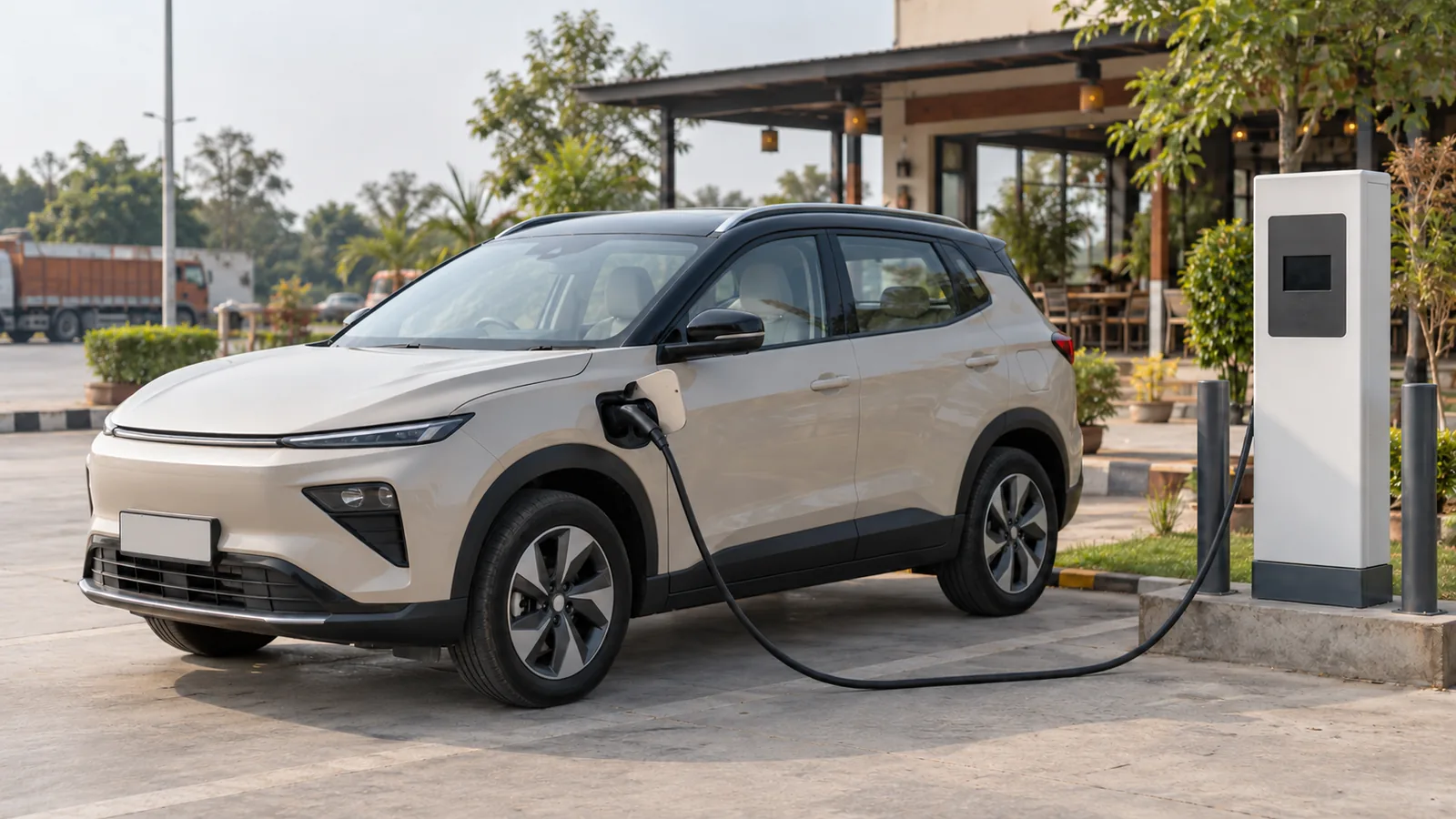
Cover image: AI-generated illustration of an unbranded EV at a generic roadside charging forecourt. It does not depict a Tata Power installation or an official vehicle model.

What Tata Power has added in Kanpur

In its 12 October 2026 announcement, Tata Power EV Charging Solutions confirms new charging facilities at Deepu Chauhan Food Court on NH 19 and Eternity, Kanpur – IHCL SeleQtions.

Kanpur locationAnnounced installation
Deepu Chauhan Food Court, NH 19Two 60 kW EV chargers
Eternity, Kanpur – IHCL SeleQtionsOne 60 kW EV charger

The official release identifies NH 19 as a Delhi–Varanasi corridor and describes the installations as serving local users and intercity travellers.

Why the two types of destination serve different needs

AutoCred analysis: a highway food stop can combine a charging break with an activity travellers already intend to undertake. Food, restrooms and a suitable place to wait can influence whether drivers consider a stop practical. Access from the intended direction of travel also matters when deciding whether to use it.

A hotel can serve a different pattern: guests or visitors may already plan to spend time at the property. Charging can become an additional service attached to that visit. The practical benefit still depends on who may enter, when the charger is accessible and whether parking conditions suit the customer.

For the operator and its location partners, these are different demand opportunities. Their value should be assessed through actual usage and customer experience, rather than assuming that every installed charger will attract the same level of demand.

Measure commercial performance beyond the installation count

Useful operating measures would include energy delivered, completed charging sessions, successful starts and availability when customers arrive. The length and predictability of queues would also help explain whether the site is meeting demand comfortably.

Location partners could examine whether charging customers use the property's other services and whether the parking arrangement causes conflicts. These are measures to track as the facilities operate; the installation announcement itself does not establish a measured increase in car sales or customer spending.

How an EV buyer can assess the new stops

Check the operator's current station information before making a journey. Confirm connector compatibility with your car, operating hours, entry conditions, payment arrangements and the applicable tariff. A hotel's access rules may differ from those of a roadside food court, so clarify the arrangement rather than assuming both work identically.

Plan an alternative stop and a comfortable energy reserve. Ask the dealer to explain how your shortlisted car charges and which conditions affect its charging behaviour. Do not turn the charger's advertised power rating into a promised stop duration without vehicle-specific information.

For a purchase decision, map a normal working week and the longer trips you expect to make. Consider home or workplace charging separately from occasional highway stops. The goal is a workable ownership routine that fits your actual travel, supported by clear vehicle and charging costs.

Bring the ownership plan into your finance comparison. Check your indicative eligible amount and estimated EMI with AutoCred before shortlisting or visiting a dealer. Results are indicative; final eligibility, rate, tenure and approval depend on the lender. Compare the estimate with the final on-road quotation and the lender's written offer.

Read more
Oct 14, 2026

Mahindra XUV 3XO REVX: Petrol AT or Diesel AMT Buyer Guide

For an automatic Mahindra XUV 3XO REVX shortlist, identify the fuel type and grade together. The practical task is to compare the complete specification, driving experience and ownership budget for each available combination. Mahindra's confirmed REVX update provides a useful starting point for that decision.

Cover image: AI-generated illustration of a generic unbranded automatic SUV cabin. It does not depict the official XUV 3XO interior or its transmission controls.

What Mahindra's confirmed REVX update introduced

Mahindra's 18 September 2026 announcement introduced REVX EDGE and EDGE (O), alongside a petrol automatic option for REVX M(O). It identifies the EDGE range's petrol engine as the 1.2-litre mStallion TCMPFi and the diesel as the 1.5-litre turbo-diesel CRDe.

The table below summarises the automatic options in that official variant map. It is a guide to the confirmed update; ask the dealer to verify the current orderable specification.

REVX gradePetrol ATDiesel AMT
M(O)ListedNot listed
EDGEListedNot listed
EDGE (O)ListedListed

Compare the complete car when changing fuel type

AutoCred analysis: a petrol-versus-diesel comparison is most useful when you identify any accompanying grade change. Otherwise, the extra amount on a quotation may include equipment as well as the powertrain, making it difficult to judge what you are paying for.

Start by comparing equivalent grades where possible. If the diesel automatic you want sits higher in the range than your preferred petrol automatic, list the additional equipment separately. Decide whether you would have chosen those features even without changing fuel type.

For context, Mahindra's release lists a panoramic sunroof, electrically folding mirrors, keyless entry and push-button start among the EDGE (O) additions to EDGE.

Test the petrol AT and diesel AMT on your normal kind of route

Arrange a test drive of the exact powertrain you are considering. A demonstration in a different engine or transmission combination cannot settle whether the proposed car suits your driving preferences.

Include moving away gently, crawling traffic, parking manoeuvres and a safe acceleration onto a clearer road. Evaluate how the car responds to small accelerator inputs and whether its gear changes feel comfortable to you. If family members will use the car, include their feedback on access, seating and ride comfort.

Ask the demonstrator to explain the selector, any manual-selection function and the procedure for starting, stopping and parking. Follow the vehicle's instructions during the drive. Choose the combination you are comfortable operating in everyday conditions.

Build an ownership comparison from your own usage

Estimate annual fuel spending using the same method for both options: planned annual distance divided by a realistic fuel-economy estimate, multiplied by the local fuel price. Treat the result as a planning estimate and check how it changes with more or fewer kilometres.

Add the complete purchase cost and obtain the applicable service schedule, warranty terms and insurance quotations. For a diesel shortlist, ask the dealer to explain the model's emissions-system operating guidance for your typical trip pattern. Avoid deciding from the fuel bill alone.

Finally, request itemised on-road quotations that identify the engine, transmission and grade. Separate optional accessories from the vehicle price, and confirm availability, delivery estimates and cancellation terms in writing.

Plan the finance before committing to a grade. Check your indicative eligible amount and estimated EMI with AutoCred before shortlisting or visiting a dealer. Results are indicative; final eligibility, rate, tenure and approval depend on the lender. Compare the estimate with the final quotation and the lender's written offer.

Read more