Blog

Oct 13, 2026

Stellantis Q3 2026: India Growth Helps Offset Asia-Pacific Decline

India stands out as a positive contributor in Stellantis's latest shipment update, even though its wider region contracted. The official release dated 13 October 2026 offers a useful view of where product activity is supporting volumes. For Indian car buyers, its value lies in understanding that direction while keeping regional business figures separate from the stock, equipment and support available at their own dealership.

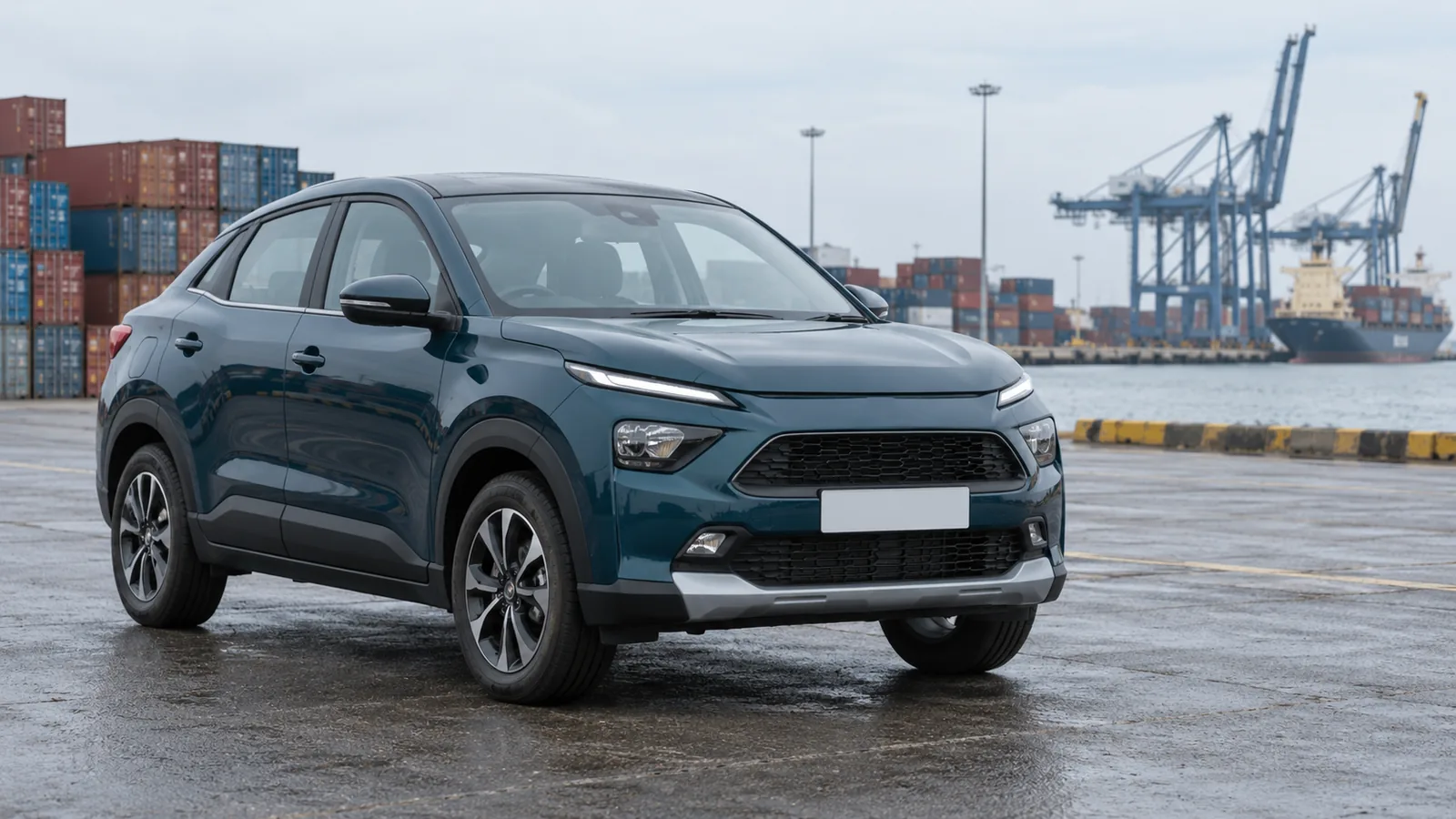
Cover illustration: an AI-generated generic, unbranded crossover in an Indian port setting. It does not depict an official Stellantis vehicle, facility or shipment.

What the Q3 shipment figures show

Stellantis estimated Q3 2026 worldwide consolidated shipments at 1.286 million vehicles, down 1% year on year. Asia-Pacific shipments were about 15,000, down 6%. Higher Indian volumes, including Smart Car vehicles, partly offset weakness mainly in Japan. India figures were not separately disclosed. Source: Stellantis Q3 shipment estimates.

The useful conclusion is therefore directional: India contributed growth within a declining region. The regional percentage cannot be assigned to India, nor can the regional total be presented as Indian sales. A country can perform better than the aggregate when another market weighs on it.

Why the Smart Car platform matters

Smart Car products also contributed to growth in Enlarged Europe, with Citroën C3 and C3 Aircross among the nameplates highlighted. This European performance is separate from India's contribution. Source: the official regional commentary.

AutoCred's interpretation is that the product platform deserves attention alongside the headline group total. It gives readers a more concrete question to follow: are newer products and refreshed line-ups creating demand where they are sold? However, a shared platform does not establish identical engines, safety equipment, specifications or prices across countries. The Indian brochure and order form remain the reference for a local purchase.

Shipments are different from buyer registrations

The metric covers new vehicles invoiced to dealers, importers or final customers by consolidated subsidiaries. Estimates are unaudited and may change. Source: the official methodology note.

That distinction matters when judging momentum. An invoiced vehicle is not necessarily a car newly registered to an Indian retail owner. A shipment update alone cannot establish local market share, dealer inventory days or the waiting period for a particular colour and trim. Those need evidence measured on the same basis.

What an Indian buyer should check next

Use the business update as background, then bring the decision back to the car you can order. Ask the dealer to identify the exact variant, manufacturing month, equipment and available vehicle. Request a written delivery estimate with the allocation status, rather than inferring immediate availability from a group shipment headline.

Compare an itemised on-road quotation with your intended down payment and monthly budget. Discuss warranty coverage, the nearest authorised workshop and access to routine service before accepting an attractive purchase offer. A broader platform story can be encouraging, but it cannot replace these ownership checks.

The next useful evidence would be country-level retail or shipment disclosures and model-specific updates. Until then, India's positive contribution is meaningful without needing an invented growth rate or a prediction about discounts.

Choose the car and the repayment plan together

Use AutoCred's car loan eligibility checker to check an indicative eligible amount and estimated EMI before shortlisting or your dealer visit. Keep room in your budget for insurance, maintenance and other ownership costs. Results are indicative; final eligibility, rate, tenure and approval depend on the lender.

Read more
Oct 13, 2026

Mahindra XEV 9S Family Guide: Third-Row Space and Luggage Checks

Choosing the Mahindra XEV 9S as a family SUV calls for a seating demonstration before a battery or equipment comparison. The practical question is whether the cabin can accommodate the people and luggage you regularly carry in the same configuration.

This guide examines everyday family use of the officially introduced electric SUV. It does not claim a fresh launch today, a guaranteed real-world range or a particular dealer's current stock.

The official starting point: a three-row electric SUV

Mahindra's original XEV 9S announcement identifies a seven-seat electric SUV on the INGLO architecture. Its feature information describes split third-row seats and a sliding, reclining second row. It also lists a front storage compartment and different equipment across packs. Check the current specification for the exact pack being quoted.

A later 28 August 2026 announcement extends the company's BaaS programme to the XEV 9S. Mahindra explains that this is a financier's dual-loan structure, not a pay-per-use programme, with approval subject to the finance partner's terms. This adds an ownership comparison without answering whether the seating arrangement fits your household.

Try the third row with the second row occupied

Bring the usual passengers to the demonstration. Adjust the front seats first, then set the second row where its occupants would actually sit. Assess the third row after those decisions, rather than testing it with the middle row pushed into an unrealistic position.

Check access, headroom, foot space, posture and how easily passengers can get out. Someone who will use the rear seat regularly should judge it personally. A seat count describes the layout; comfort is a question to test with the intended occupants.

Check luggage with the seats you need upright

Take the bags or stroller you normally carry, or measure them before the visit. Ask to view the load area with the required seats in use. A generous-looking space with seats folded may not represent the configuration needed for your family journey.

Review how the split seats work and whether the resulting arrangement fits your travel pattern. Use the front storage area only within the limits and instructions in the vehicle documentation. Keep the comparison practical: where will the everyday luggage go, and can passengers still enter and leave comfortably?

Budget for the pack that meets the family requirement: check an indicative eligible amount and estimated EMI with AutoCred before shortlisting or visiting a dealer. Results are indicative; final eligibility, rate, tenure and approval depend on the lender. If considering dual financing, obtain both payment schedules rather than treating one headline as the whole monthly cost.

Equipment should support the seating decision

Once the cabin works for your passengers, compare the relevant comfort and convenience equipment on the exact pack. Ask which seats have the advertised adjustments and ventilation, and request a demonstration of the controls passengers will use.

Also assess rear visibility, parking manoeuvres and access in the place you live. Review child-restraint provisions with the owner's documentation and the restraint manufacturer's instructions. The aim is to establish a suitable configuration, not to infer suitability from a broad family-SUV label.

Keep charging and ownership terms in the final comparison

Confirm a workable charging arrangement for your parking space and usual journeys. Request the installed charger quotation and relevant warranty and service documents. Published capability figures should not be treated as a promise for every journey or charging session.

For either conventional finance or the announced BaaS option, compare the complete contract: down payment, instalments, tenure, charges and what happens on early closure or sale. Ask the financier to explain any usage assumptions behind the illustration. Choose after reviewing both the cabin and the complete ownership commitment.

The XEV 9S deserves a family test with the seating and luggage arrangement you will actually use. A successful demonstration makes the subsequent pack and budget comparison much clearer.

Before the dealer visit, use AutoCred to check your indicative eligible amount and estimated EMI. Results are indicative; final eligibility, rate, tenure and approval depend on the lender.

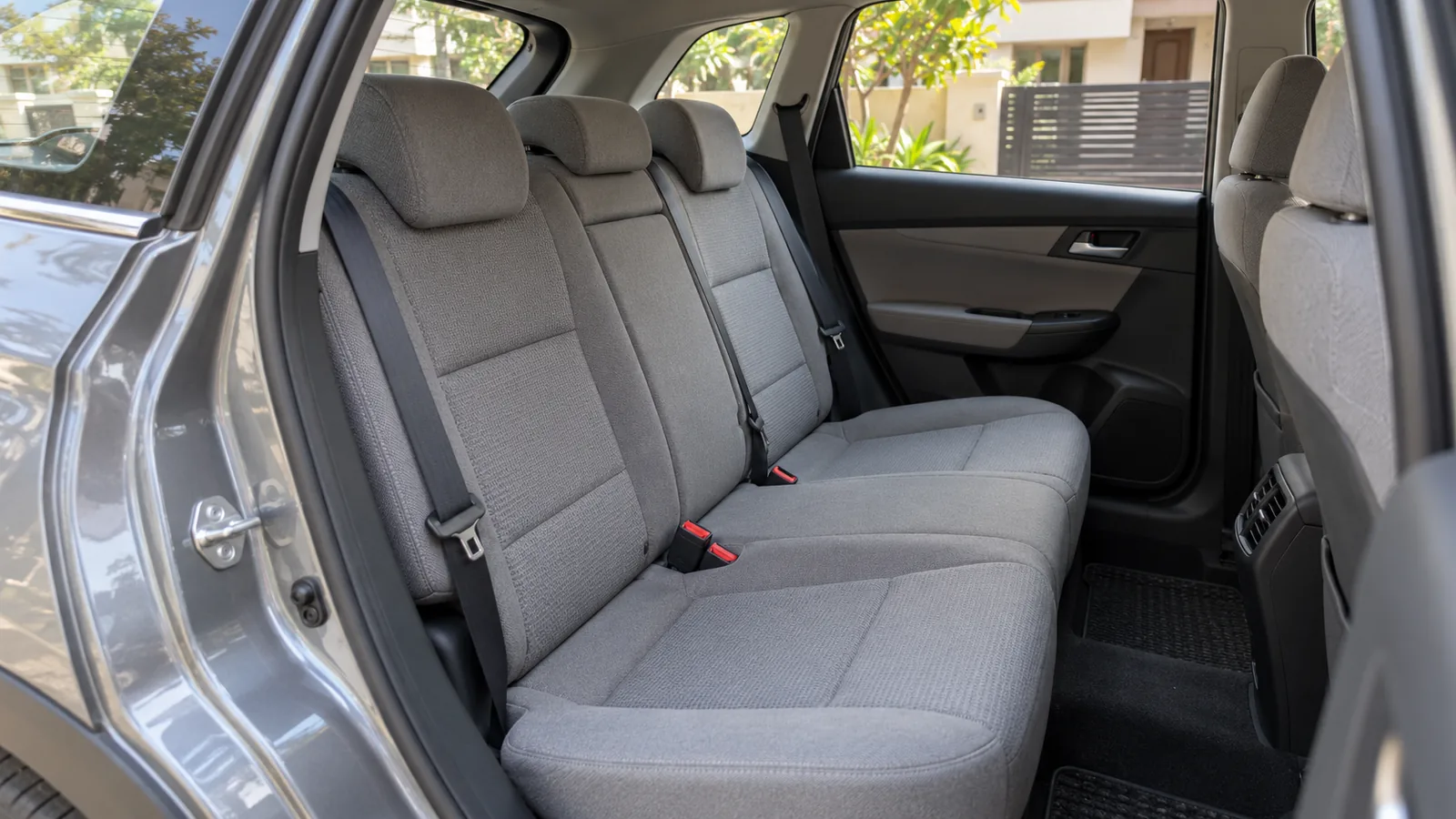
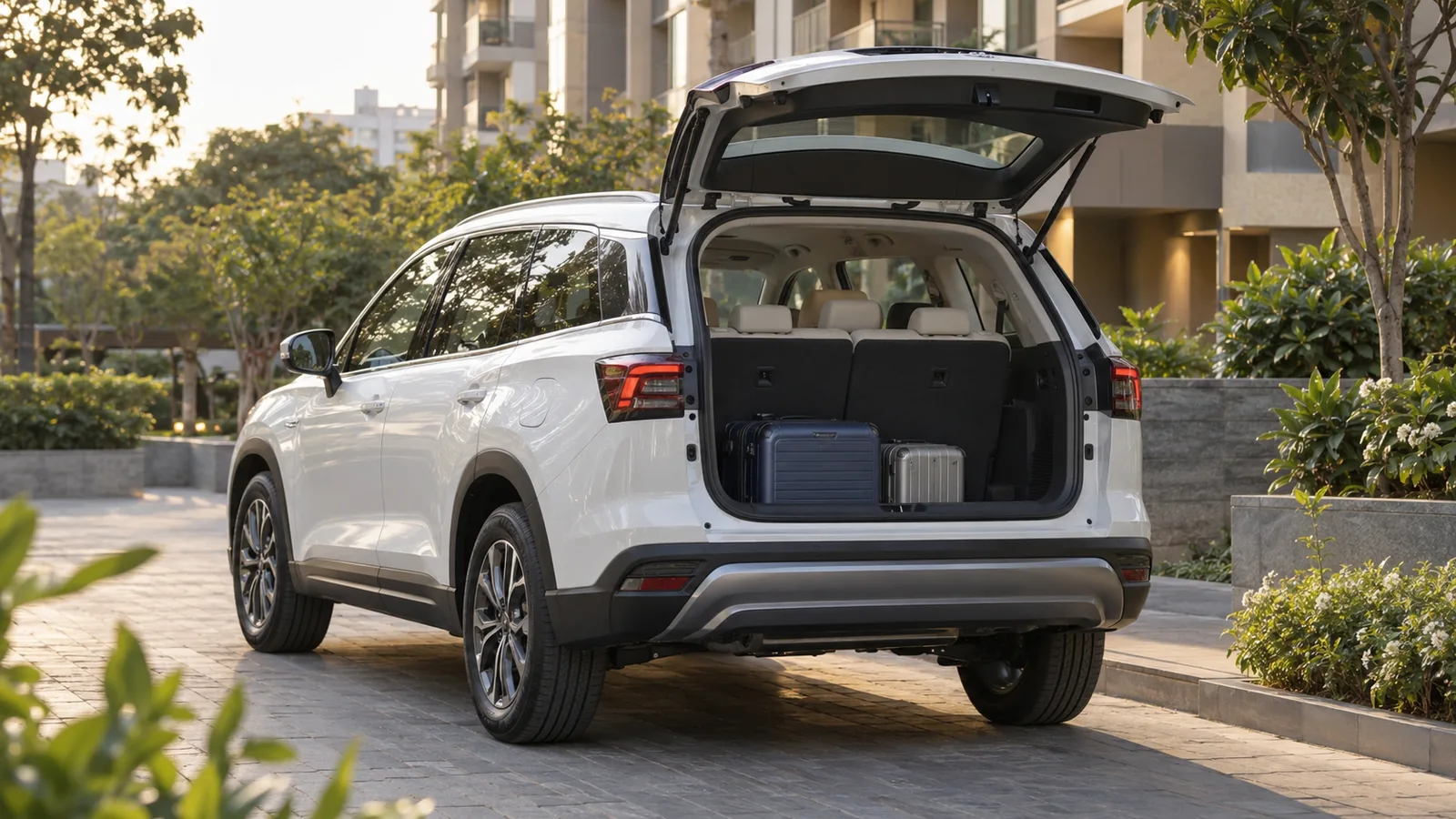
Cover image: AI-generated illustration of a generic unbranded three-row SUV with luggage. It does not depict the official Mahindra XEV 9S cabin or body design.

Read more
Oct 13, 2026

Renault India Engineering Strategy: What IIT Kanpur Testing Adds

Renault's India strategy includes a less visible step than a showroom launch: giving its engineers access to specialised local testing. Its partnership with IIT Kanpur offers a concrete way to assess vehicle aerodynamics and wind noise, two areas that matter when a car moves from a presentation to everyday use.

The partnership is an earlier announced engineering initiative, revisited here alongside the latest available domestic sales report. It should be judged as a development capability, rather than presented as proof of a measured improvement in every Renault now on sale.

What Renault's IIT Kanpur agreement covers

Renault's 10 July 2026 official announcement says it will use IIT Kanpur's National Wind Tunnel Facility for aerodynamic and wind-noise testing of passenger vehicles. The collaboration is intended to validate vehicle characteristics against engineering targets and support product development. It also establishes a framework for commercial engagement, intellectual property and confidentiality.

In its September sales release, dated 1 October 2026, Renault reports 3,399 domestic wholesales for the month and 35,378 for January–September, with the latter up 36.6% year on year. These dispatch figures provide business context; they do not demonstrate that the testing partnership caused the increase.

Why local engineering access is a concrete strategy action

The important point is the defined testing activity. Access to a specialised facility gives an engineering team a way to investigate particular characteristics instead of relying only on broad product-positioning language. The agreement identifies what will be tested, but does not publish a model-by-model result.

Our interpretation is that this strengthens Renault's development toolkit in India. Whether it improves a specific future vehicle depends on the work performed, the engineering decisions that follow and the product ultimately delivered. That remains a separate question from signing the agreement.

Wind-noise testing is not a cabin-comfort guarantee

A controlled assessment examines a defined condition. A buyer experiences the complete vehicle on a particular road, with tyres, traffic, weather and a chosen seating position all part of the journey. Do not turn the existence of a wind tunnel into an unsupported claim that a car is silent or more efficient than a rival.

During a test drive, listen from the seat you will normally use. Try familiar routes and compare cars under similar conditions where possible. Assess whether conversations are comfortable and whether the sounds you hear become tiring. Your own experience answers a different question from a development announcement.

Keep the engineering comparison connected to the purchase budget: AutoCred's eligibility checker helps you check an indicative eligible amount and estimated EMI before shortlisting or visiting a dealer. Results are indicative; final eligibility, rate, tenure and approval depend on the lender. Use the quoted grade and full on-road amount when planning the finance.

Read capability and commercial performance separately

The sales report records vehicles dispatched; the partnership describes a capability Renault intends to use. They belong in the same broader strategy discussion, but should not be treated as a proven cause-and-effect relationship.

Useful evidence of an engineering outcome would include a defined result for an identified model, with its testing conditions and comparison explained. Until such evidence is published, the partnership supports a discussion of process and intent rather than a numerical fuel-saving or noise-reduction claim.

What a buyer should take away

Renault's agreement is worth noticing because it links the company's India plans to a specific engineering resource. For a purchase, however, shortlist the actual model and grade, review the specification, assess comfort and confirm ownership support.

Ask for the relevant warranty and service documents alongside the itemised quotation. A strong development story is useful context, while the right vehicle still has to meet your practical needs and fit the complete budget.

Before the showroom visit, check your indicative eligible amount and estimated EMI with AutoCred. Results are indicative; final eligibility, rate, tenure and approval depend on the lender.

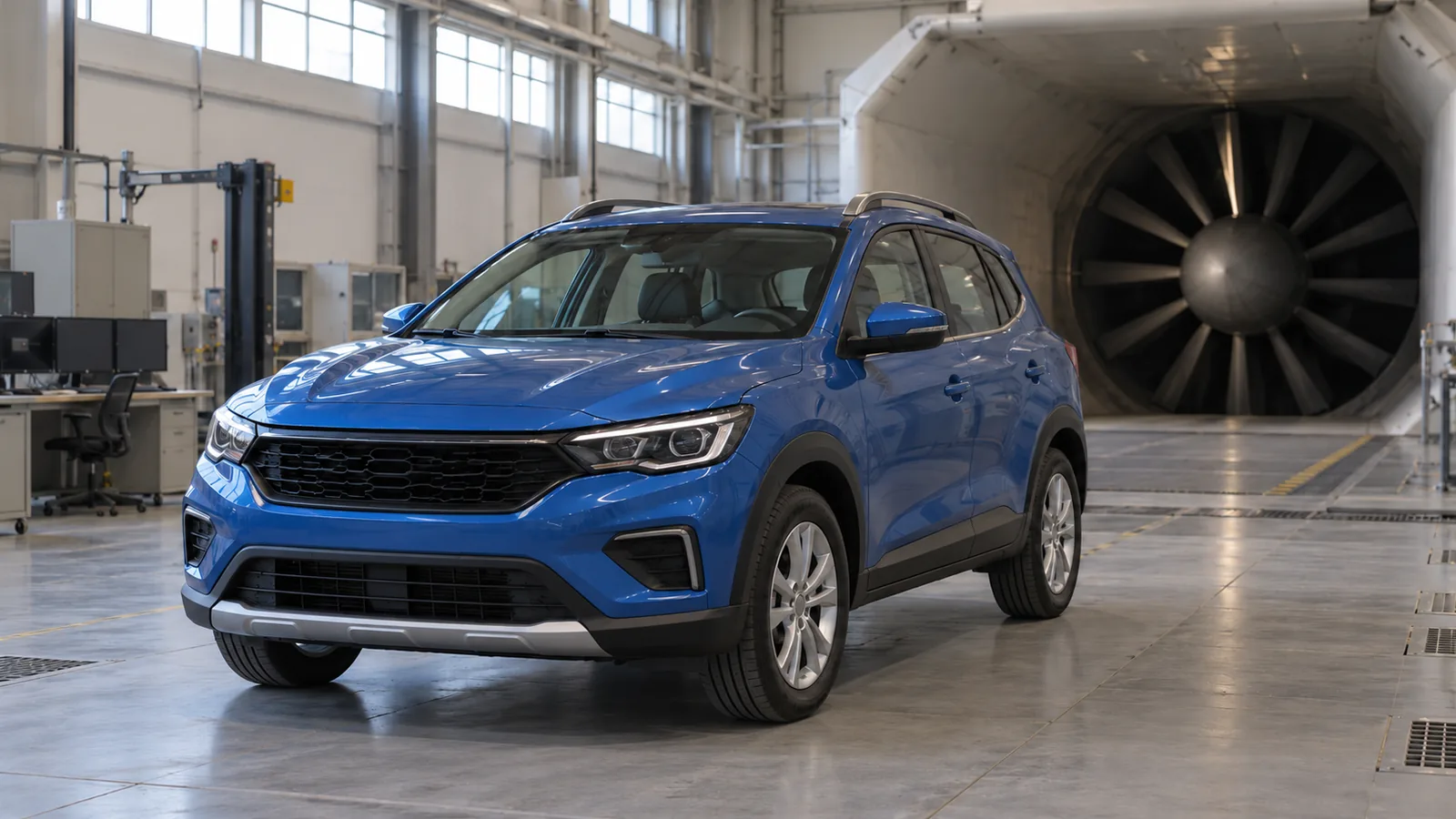
Cover image: AI-generated illustration of a generic unbranded crossover in an automotive research workshop. It does not depict Renault's facilities or IIT Kanpur's actual wind tunnel.

Read more
Oct 13, 2026

Hyundai Bayon India Preview: AI, Offline Voice and OTA Buyer Checks

Hyundai's India-spec Bayon preview adds useful detail to the upcoming SUV's connected-car proposition. The most relevant question is no longer simply whether it has voice control, but which tasks work locally, which depend on connectivity and how clearly the driver can use the system.

For buyers considering a booking, the new announcement is a reason to prepare a practical demonstration checklist. It is not a reason to assume that every promised digital feature replaces the need to check grade availability, service terms and the final purchase price.

What the latest India-spec announcement confirms

In its 12 October 2026 Bayon release, Hyundai confirms an India launch on 26 October. It describes a generative AI voice assistant, a connected navigation cockpit, up to 19 controllers supporting over-the-air updates and more than 70 Bluelink connected features.

The release also identifies more than 500 embedded voice commands that can operate without an internet connection. The announced powertrain is a four-cylinder 1.5-litre MPi petrol engine with a six-speed manual or IVT. Bookings carry an announced amount of ₹11,000; detailed delivery timelines are to be communicated at launch.

Offline commands and conversational assistance are different

Hyundai describes embedded commands separately from the conversational assistant. Do not assume that a feature being described as voice-operated means every task works without connectivity. Ask the dealer to demonstrate the ordinary controls you use most frequently with the connection unavailable.

For connected assistance, try a straightforward request such as finding information for a journey, then ask how the system signals an unavailable service or an uncertain answer. The practical benefit is a clear, usable response. Keep important travel details open to verification before relying on them.

Test the interface with everyday tasks

A useful demonstration begins with the functions you repeat, rather than a long tour of menus. Check how easily you can change a setting, find a destination and return to the main driving information. Request the demonstration while stationary so you can learn the controls without distraction.

Compare the visibility of the displays from your seating position, the location of frequently used controls and the steps needed to recover from an incorrect voice command. Ask which languages and commands are supported for the function you want. Your preferred wording may matter more than the headline size of a command library.

Keep the booking aligned with your budget: check your indicative eligible amount and estimated EMI with AutoCred before shortlisting or visiting a dealer. Results are indicative; final eligibility, rate, tenure and approval depend on the lender. Revisit the estimate when the final grade and on-road quotation are available.

Ask about connected-service ownership

Request the applicable connected-service terms, included subscription period, renewal costs if any, account permissions and the process for transferring access when the car changes hands. These are purchase questions to clarify; this article does not presume particular charges or contract terms.

For remote software updates, ask how the car informs you that an update is available, what conditions are required and how support is arranged if completion fails. An announced update capability does not establish that every future feature will arrive, or that all workshop visits become unnecessary.

What to settle before the launch decision

Keep a written record of the intended grade and transmission, booking terms and cancellation conditions. At launch, compare the published specification with the equipment on your actual quotation and obtain a delivery estimate for that configuration.

Bayon's connected features are worth assessing through a demonstration, but the SUV also needs to fit your seating, luggage and driving requirements. Choose technology for the tasks it makes easier, then evaluate it alongside comfort, support and cost.

Before meeting the dealer, use AutoCred to check an indicative eligible amount and estimated EMI. Results are indicative; final eligibility, rate, tenure and approval depend on the lender.

Cover image: AI-generated illustration of a generic unbranded compact SUV in Gurugram. It does not depict an official Hyundai Bayon design.

Read more
Oct 13, 2026

Volkswagen Group Q3 2026: Electric Orders Rise as Deliveries Fall

Volkswagen Group's newest delivery update presents a market split: its worldwide total is lower, while its European electric order book is expanding. The distinction matters because orders, completed deliveries and regional demand describe different stages of an automotive business.

For Indian car buyers, the useful takeaway is how the group is balancing powertrains and responding to different markets. European momentum does not automatically establish an India launch, local availability or a change in the price of a Volkswagen sold here.

The official nine-month delivery and order picture

The group's 12 October 2026 Q3 update reports 6.01 million global deliveries through September, down 9% year on year. Worldwide battery-electric deliveries were 678,700, down 5%, but European battery-electric deliveries grew 20% in the third quarter.

According to the same release, the European battery-electric order book doubled compared with year-end 2025, and battery-electric models accounted for around 40% of the European order backlog. The group also reports worldwide plug-in-hybrid and range-extender deliveries of 368,000, around 23% above the comparable period.

Orders show demand; deliveries show completed handovers

An order book records demand awaiting fulfilment. Delivery totals record vehicles already handed over. A growing backlog can therefore coexist with a weaker delivery result. It should not be treated as a completed-sales figure or as proof that production constraints have disappeared.

This is why the reporting period and geography need to stay attached to each claim. A quarterly increase in Europe is not the same as annual global growth, and a share of European orders is not a share of the Indian car market.

A broader powertrain strategy is taking shape

Our interpretation is that the update supports a varied powertrain approach rather than a single worldwide demand story. The battery-electric and plug-in figures point to different customer decisions across markets. Those decisions can be affected by charging access, policy and the products offered locally.

For a buyer, the appropriate response is to compare the vehicles officially available in India against personal use. If considering an electric option, establish charging access and the support arrangements for the intended model. If considering another powertrain, evaluate its running-cost assumptions using your own distance and fuel prices.

Turn the shortlist into a budget before the showroom visit: AutoCred's eligibility checker lets you check an indicative eligible amount and estimated EMI before shortlisting or visiting a dealer. Results are indicative; final eligibility, rate, tenure and approval depend on the lender. Use an itemised quotation to understand the borrowing required.

What this means for Volkswagen buyers in India

The release is a group-level global report. It does not give a local dealer's stock list or establish that a European electric model can be ordered in India. A product name appearing in global communications should be followed by an India announcement before it becomes a purchase assumption.

When comparing a locally offered car, ask for the exact grade, transmission, included equipment, warranty and service documents. Separate a confirmed allocation from an estimated delivery window. The quality of that information is more relevant to a purchase than a broad claim about global demand.

How to read the next market update

Keep three questions in view: which market is being discussed, whether the figure represents orders or handovers, and which powertrains it includes. This makes it easier to assess the next report without carrying an overseas conclusion into an Indian buying decision.

Volkswagen Group's latest figures highlight a transition that is uneven across regions and powertrains. They are useful strategy evidence, while the best car for a household still depends on local product availability, ownership support and the complete purchase cost.

Before meeting the dealer, check your indicative eligible amount and estimated EMI with AutoCred. Results are indicative; final eligibility, rate, tenure and approval depend on the lender.

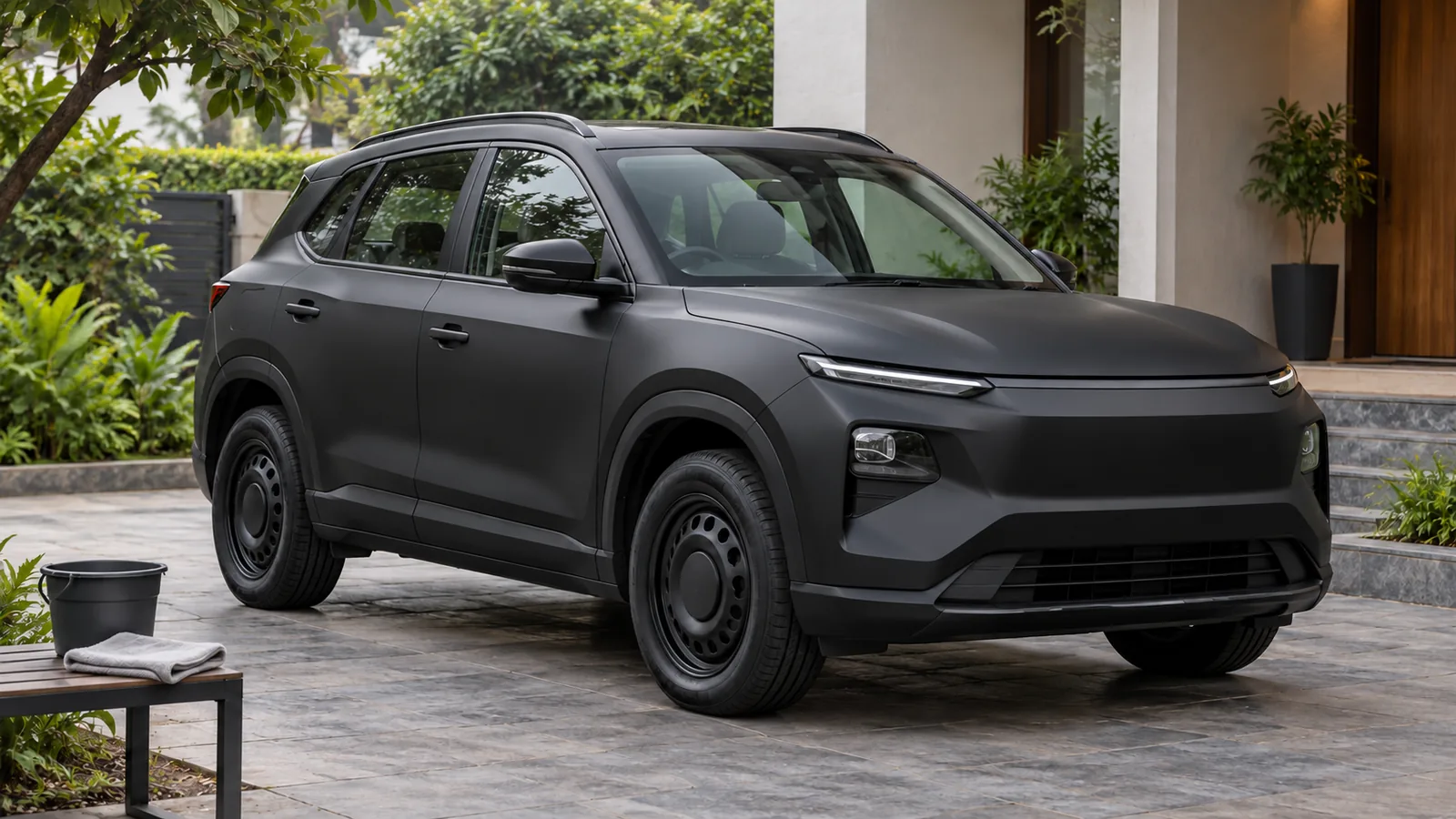
Cover image: AI-generated illustration of a generic unbranded electric crossover at an Indian charging bay. It is not an official Volkswagen Group vehicle or facility.

Read more
Oct 13, 2026

New Honda Elevate 2026: Comfort, CVT and Parking Buyer Guide

The updated Honda Elevate puts cabin comfort and easier manoeuvring at the centre of the showroom decision. Beyond the refreshed styling, its announced equipment gives families a reason to test how the SUV works in daily traffic, parking spaces and the rear seat.

This guide examines the October unveiling rather than repeating the earlier pre-booking announcement. Build your shortlist around the equipment of the actual grade you can buy, not an assumption that everything shown in the launch presentation is standard.

What Honda confirmed for the new Elevate

Honda's 6 October 2026 announcement describes front and rear ventilated seats, powered front-seat adjustment, a multi-view 360-degree camera and front parking sensors. The petrol engine remains a 1.5-litre i-VTEC unit, offered with a six-speed manual or CVT. Honda also identifies Low Speed Follow for CVT versions within its Honda SENSING assistance package.

The release lists an ex-showroom Delhi entry price of ₹11.80 lakh for SV manual and ₹13.79 lakh for V CVT. These are announced grade prices, not a complete on-road quotation; colour-related additions and the selected equipment need separate confirmation.

Start with the grade, then assess the features

Ask for the current feature list for the exact grade and transmission on your quotation. Mark which equipment is essential and which is merely attractive. This keeps a top-grade demonstration from creating expectations for a differently specified car.

If ventilation is a priority, try it from the seat you expect to occupy. Check the control location, adjustment, noise and comfort with your preferred seating position. Rear passengers should participate in the test instead of relying on the driver's impression of the cabin.

Test the camera where you normally park

A camera system is useful only when its views and controls are clear to you. During the demonstration, ask how to select different views and how the display behaves during a low-speed manoeuvre. Inspect visibility through the windows and mirrors as part of the same exercise.

Bring the dimensions and constraints of your parking space into the discussion. The relevant questions are whether you can enter comfortably, judge the corners and open the doors where you live. A display demonstration on an open showroom forecourt does not answer all of them.

Set a budget for the grade you actually need: check an indicative eligible amount and estimated EMI with AutoCred before shortlisting or visiting a dealer. Results are indicative; final eligibility, rate, tenure and approval depend on the lender. Use the complete quotation when deciding the down payment and borrowing amount.

Manual or CVT: compare your driving routine

Try the intended transmission in conditions resembling your usual commute. Compare the response you feel when moving away, slowing and accelerating, alongside your comfort with the controls. There is no need to choose solely by the length of the feature list.

Ask the dealer to demonstrate the assistance functions fitted to that version and explain their operating conditions using the owner's documentation. Treat assistance as support for an attentive driver. Do not confuse a low-speed convenience feature with permission to stop supervising the road.

What to confirm before booking

  • The exact grade, transmission, colour and equipment on the order.
  • An itemised on-road amount, including insurance, taxes and optional items.
  • The allocated vehicle or written delivery estimate and its conditions.
  • The applicable warranty documents, service requirements and cancellation terms.

The updated Elevate is worth evaluating through a family demonstration: front-seat controls, rear-seat comfort and parking usability can matter more in daily life than a styling comparison. Match the equipment to your routine, then compare the full cost of the appropriate grade.

Before your dealer visit, use AutoCred to check your indicative eligible amount and estimated EMI. Results are indicative; final eligibility, rate, tenure and approval depend on the lender.

Cover image: AI-generated illustration of a generic unbranded family SUV in New Delhi. It is not an official Honda Elevate photograph or design.

Read more
Oct 13, 2026

Porsche Nine-Month Sales 2026: Why the 911 Bucks the Trend

Porsche's latest delivery report shows why a luxury car brand's total volume can conceal very different demand patterns. Its sports-car business and its wider portfolio are moving at different speeds, making the mix of vehicles sold more useful than a single headline about growth or decline.

For an Indian buyer, the report provides context for Porsche's product and sales priorities. It does not measure Indian registrations or reveal the allocation available at a local dealership.

Porsche's nine-month deliveries: the official figures

In its 9 October 2026 delivery announcement, Porsche reports 178,532 worldwide deliveries from January to September, down 16% from 212,509 a year earlier. The 911 moved in the opposite direction: deliveries rose 12% to 42,217. The Cayenne remained the largest model line with 59,586 deliveries.

The same release describes a value-oriented sales strategy and strong interest in exclusive GTS, Turbo and GT derivatives. These are company-level observations about its global business, rather than evidence that every premium variant has the same demand in India.

Why the model mix matters more than the headline

A manufacturer can sell fewer cars overall while experiencing demand growth in a particular model family. That changes the questions a buyer should ask. A softer global total does not, by itself, establish a discount on the car you want; stronger sports-car demand does not prove that every configuration has a long wait.

Our reading is that Porsche is emphasising the value and positioning of its portfolio alongside volume. Assess an offer through the actual vehicle, specification and written terms. Using a worldwide percentage to guess a local negotiation outcome would skip the information that determines your purchase.

Separate product preference from allocation

Start by deciding what you need the car to do. A sports coupe and a family SUV answer different practical questions, even when both sit within the same premium brand. Compare access, luggage arrangements, parking, service support and your usual journeys before reviewing optional equipment.

Then ask the dealer to distinguish a car already available from an order that still needs production or allocation. Obtain the exact specification, delivery estimate and payment stages. A description such as “strong demand” is background; it is not a substitute for the status of your own order.

Plan the finance before committing to the specification: AutoCred's eligibility checker helps you check an indicative eligible amount and estimated EMI before shortlisting or visiting a dealer. Results are indicative; final eligibility, rate, tenure and approval depend on the lender. Compare the estimate against the complete quotation, including your chosen options.

What Indian buyers can and cannot infer

The release supports a discussion of global delivery trends and product mix. It does not establish India market share, dealer inventory, a model-specific Indian discount or a resale-value forecast. Treat those as separate questions requiring local information.

A useful purchase comparison should include an itemised on-road quotation, ownership services, insurance terms and the relevant warranty documents. Ask how the quote changes with configuration and whether any offer has a stated validity period. Keep optional packages separate so that you can assess their usefulness.

A disciplined way to use sales news

Use the report to understand the manufacturer's direction, then test your intended purchase against your needs. The 911's growth and the wider decline illustrate how varied a brand's performance can be. Neither removes the need for a demonstration, a clear contract and a realistic budget.

Before finalising the shortlist, check your indicative eligible amount and estimated EMI with AutoCred. It gives you a budget reference before the dealer visit. Results are indicative; final eligibility, rate, tenure and approval depend on the lender.

Cover image: AI-generated illustration of a generic unbranded sports coupe in Bengaluru. It does not depict an official Porsche model.

Read more
Oct 13, 2026

BMW 7 Series and i7 India: Petrol or Electric Buyer Guide

BMW's new 7 Series range gives Indian luxury-sedan buyers a petrol and electric choice within the same flagship family. With October identified as the delivery month in the official launch announcement, the useful question now is which version suits the way the car will actually be used.

This is a buyer analysis of BMW's September announcement, not a claim that a particular dealership has immediate stock. Confirm the allocation, equipment and current quotation for the exact car before committing.

The official India line-up and launch prices

BMW's 11 September 2026 India announcement lists the 740 M Sport and i7 50 xDrive M Sport at ₹1.95 crore each, and the i7 M70 xDrive at ₹2.65 crore, all ex-showroom. It says bookings are available through BMW India dealerships and deliveries will commence from October 2026.

The release confirms local production of the i7 at BMW Group Plant Chennai alongside the 7 Series; the i7 M70 is a completely built-up import. BMW specifies that the price prevailing at invoicing applies, with registration-related charges, insurance and other listed levies outside the ex-showroom amount.

Equal launch prices do not mean equal ownership costs

The launch positioning makes the petrol-versus-electric comparison especially interesting. Start with separate itemised quotations rather than assuming the same headline price produces identical total expenditure. Ask which options and ownership services are included and which need an additional payment.

For an electric car, establish a dependable charging arrangement before evaluating it mainly through performance or cabin features. Request an installation assessment for the parking space you will use, and clarify access, permissions and the complete installed cost.

For either powertrain, discuss the service plan, insurance quotation and support arrangements for your intended ownership period. A flagship purchase deserves a clear budget even when affordability is comfortable. Optional equipment and packages should be chosen for their usefulness rather than added without a separate review.

Decide whether the car is for driving or being driven

Test the car from the seat you expect to use most often. A driver should assess visibility, parking manoeuvres, controls and ride on familiar roads. A rear-seat passenger should check entry and exit, seating position, comfort and the ease of using cabin functions during a journey.

If your use includes a chauffeur and family passengers, involve them in the assessment. A car that feels impressive during a short presentation may still need closer inspection for your luggage, driveway and daily pick-up routine. Agree on the essential requirements before selecting optional finishes.

Check the finance against the complete quotation: use AutoCred's eligibility checker to check an indicative eligible amount and estimated EMI before shortlisting or visiting a dealer. Results are indicative; final eligibility, rate, tenure and approval depend on the lender. Review the full on-road amount and chosen options before deciding your down payment and borrowing requirement.

Local production is a supply fact, not a delivery guarantee

BMW's confirmation of Chennai production is meaningful manufacturing information. It does not establish that every configuration is immediately available, that all components are locally sourced, or that a given customer will receive a car by a particular date.

Ask whether your chosen vehicle has been allocated, what the written delivery estimate depends on, and whether changes to colour or options affect that estimate. For the imported performance model, obtain its own availability confirmation instead of carrying across assumptions from the locally produced variants.

What to get in writing before booking

  • Configuration: Record the exact model, paint, upholstery and options on the order.
  • Purchase amount: Separate the car, applicable taxes and fees, insurance, accessories and optional programmes.
  • Use and support: Confirm service access and the relevant warranty documents; for the i7, also request the battery and charging documentation.
  • Availability: Establish allocation status, delivery estimate and cancellation or refund conditions.
  • Demonstration: Test the intended variant and the functions you expect to use, rather than relying only on a showroom presentation.

The range offers a useful choice between petrol, electric luxury and an imported electric performance flagship. The best fit depends on your travel routine, preferred seating experience, charging access and agreed specification. The right decision comes from matching those needs to the actual car and contract available to you.

Before the dealer visit, check your indicative eligible amount and estimated EMI with AutoCred to compare the quotation against your planned budget. Results are indicative; final eligibility, rate, tenure and approval depend on the lender.

Cover image: AI-generated illustration of a generic unbranded luxury sedan in Chennai. It does not depict an official BMW 7 Series or i7 design.

Read more
Oct 12, 2026

Maruti Automatic S-CNG Swift, Dzire and Baleno: Buyer Guide

Maruti Suzuki's automatic S-CNG versions of the Swift, Dzire and Baleno give buyers a new combination to consider: CNG ownership with automatic gear changes. For someone who wants easier driving in traffic, this deserves a test drive. The decision still depends on fuel access, the full purchase cost and how well the selected car fits everyday use.

This guide analyses Maruti's official September launch information for buyers shortlisting a car now. It does not describe the announcement as a new October launch, and it avoids assuming that certified fuel efficiency will be reproduced on every journey.

What Maruti officially introduced

Maruti's 18 September 2026 Auto Green Mission announcement introduces automatic S-CNG Swift, Dzire and Baleno models. It specifies a Z12E 1.2-litre engine paired with five-speed Auto Gear Shift, also described as an automated manual transmission or AMT.

The launch lists starting ex-showroom prices of ₹7,92,400 for Swift, ₹8,53,100 for Dzire and ₹8,32,400 for Baleno. It gives Dzire automatic S-CNG a certified fuel-efficiency figure of 36.47 km/kg, with a test-agency certification footnote. These are announcement figures; obtain the current quotation and exact variant specification before booking.

Understand the automatic before comparing it

According to the manufacturer's explanation, AGS provides automatic gear shifts and a manual-selection option without a clutch pedal. It should not be confused with a CVT or torque-converter automatic merely because all offer two-pedal operation.

Test the version you intend to buy in conditions resembling your commute. Check low-speed progress, acceleration into a gap, parking and how the car behaves when slowing and accelerating again. Ask the demonstrator to explain the recommended controls and driving technique instead of deciding from a brief open-road run.

For households sharing a car, invite another regular driver along. The most useful automatic is one that both drivers find comfortable and predictable. A specification sheet can identify the transmission, but it cannot replace that personal assessment.

Check the CNG routine around your actual routes

Identify convenient filling stations near home, work and your usual outstation routes. Visit a likely station at the time you would normally refuel and assess whether the stop fits your schedule. A cheaper fuel proposition is less attractive if the routine creates an inconvenient detour.

Ask the dealer to demonstrate fuel selection and explain the operating instructions for the exact model. Request the owner's manual and applicable maintenance schedule. Familiarity with another CNG car should not substitute for understanding the vehicle you are buying.

Inspect luggage space with the items you routinely carry. Compare the actual S-CNG version rather than assuming that the petrol display car has an identical loading arrangement. Your choice between a hatchback and sedan should reflect passengers, parking and luggage needs as well as the powertrain.

Shortlist within a realistic budget: use AutoCred's eligibility checker to check an indicative eligible amount and estimated EMI before shortlisting or visiting a dealer. Results are indicative; final eligibility, rate, tenure and approval depend on the lender. Compare an itemised on-road quotation with the monthly amount you can comfortably manage.

Compare ownership cost without assuming guaranteed savings

Build the comparison using current local fuel prices, your expected distance and a realistic efficiency assumption. Keep the certified figure separate from the assumption used for your own budget. Include the purchase-price difference, insurance and scheduled upkeep rather than considering fuel expenditure alone.

A simple way to assess a premium over another version is to divide the additional purchase cost by the estimated monthly saving. The result is only as reliable as those inputs. If your driving distance or refuelling arrangement changes, revisit the calculation rather than treating the first estimate as a guaranteed payback period.

Questions to resolve before booking

  • Exact version: Confirm the S-CNG automatic trim, equipment and transmission on the order.
  • Price: Separate registration, insurance, accessories and optional packages from the vehicle amount.
  • Use: Check the driving experience, passenger comfort and luggage arrangement in the intended version.
  • Support: Obtain the warranty and service documents and ask where the car will be maintained.
  • Delivery: Request an allocation estimate and written cancellation and refund conditions.

The automatic S-CNG range broadens the shortlist for buyers who want both fuel choice and two-pedal driving. Choose it because the car, refuelling routine and budget work together for you, rather than because one headline efficiency number settles the decision.

Before the dealer visit, check your indicative eligible amount and estimated EMI with AutoCred to compare the chosen version against a realistic budget. Results are indicative; final eligibility, rate, tenure and approval depend on the lender.

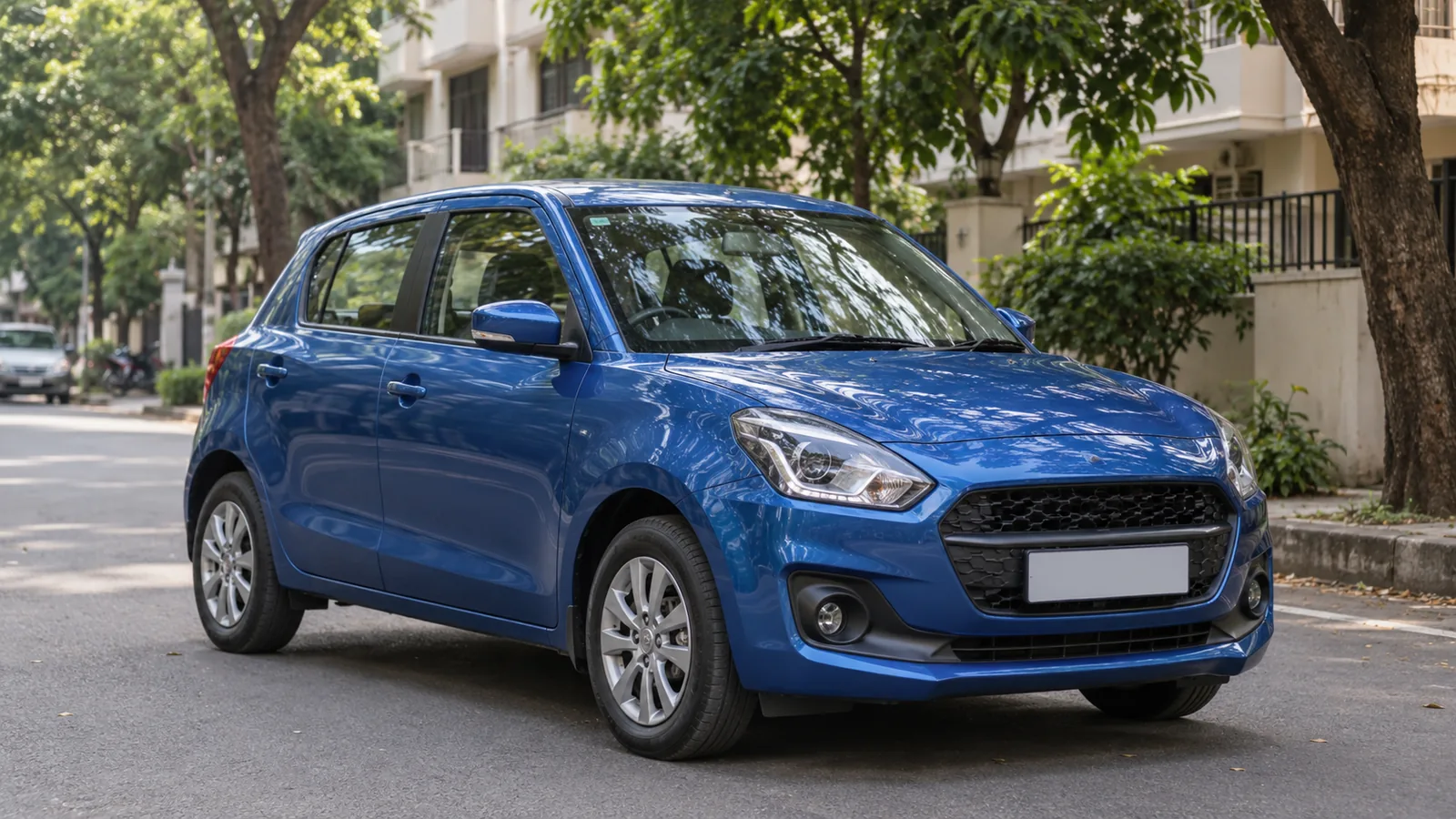
Cover image: AI-generated illustration of a generic unbranded hatchback in Pune. It does not depict an official Maruti Suzuki model.

Read more
Oct 12, 2026

Skoda Slavia Production Begins: Supply Strategy and Buyer Checks

Starting production is a concrete step in a carmaker's product strategy. For Škoda's updated Slavia, the important market question is how that manufacturing milestone translates into supply for customers considering a sedan during the festive buying period.

Škoda's latest official production update provides evidence of action at the factory. It does not, by itself, establish faster deliveries, higher retail sales or a shorter queue for the variant you want. Here is how to read the announcement and turn it into useful questions at a dealership.

What the Slavia production announcement confirms

The official Škoda production update, posted on 9 October 2026 and carrying a Pune dateline of 28 September 2026, says Škoda Auto Volkswagen India has commenced production of the new Slavia at Chakan in Pune. The company describes the timing as aligned with festive-season purchases.

The release reports nearly 80,000 cumulative Slavia sales in India. It also describes two group manufacturing facilities with combined annual capacity of 315,000 vehicles and cumulative exports exceeding 725,000 vehicles to more than 40 countries. Those manufacturing and export figures apply to the group, not solely to Slavia.

The announcement does not disclose a new Slavia annual output target, plant utilisation or a dealer-level allocation schedule. It therefore supports a discussion of manufacturing readiness, rather than a claim that a particular customer can receive a car immediately.

Why a production milestone matters commercially

Our analysis is that moving an updated product into production is a necessary link between generating buyer interest and fulfilling orders. A manufacturer can explain a model's proposition through advertising, but dealers need the right vehicles to turn that interest into completed purchases.

For a sedan, the supply mix matters as much as the existence of production. Customers choose specific engine, transmission, equipment and colour combinations. A car available elsewhere in the range may not meet the needs of a buyer waiting for another specification.

This makes production commencement commercially meaningful without making it a sales result. To judge the outcome, market watchers would need later evidence of actual deliveries and demand. The announcement alone cannot show whether the updated Slavia expands the customer base or primarily serves buyers already planning to order.

Read capacity, output and sales separately

Annual capacity describes a manufacturing system's stated scale. Actual production is the number of vehicles built during a defined period. Customer deliveries are a further step. Keep these concepts separate when comparing a capacity headline with a sales report.

The group figures in the Škoda release show the broader manufacturing context. They do not mean that the entire capacity is available to Slavia, or that cumulative exports represent the model's current overseas sales. Avoid dividing those figures to produce a Slavia utilisation or export-share estimate without model-specific data.

For buyers, the practical equivalent is to distinguish a dealer's general confidence about supply from an allocation for the exact car ordered. Ask which stage your order has reached and what evidence supports the delivery estimate.

Prepare your budget while checking availability: use AutoCred's eligibility checker to check an indicative eligible amount and estimated EMI before shortlisting or visiting a dealer. Results are indicative; final eligibility, rate, tenure and approval depend on the lender. Compare the full quotation with a comfortable monthly budget before changing your preferred specification to secure a quicker delivery.

What to ask before a festive-season booking

  • Exact specification: Have the trim, engine, transmission and colour recorded on the order rather than relying on a model name alone.
  • Allocation: Ask whether the proposed car is assigned to the dealership or whether the delivery estimate depends on future allocation.
  • Updated model: Confirm that the quotation and vehicle documents refer to the version you intend to buy, especially when comparing an outgoing car with the update.
  • Delivery conditions: Request the expected delivery window and the cancellation and refund terms in writing.
  • Total cost: Separate the vehicle amount, registration, insurance, accessories and optional packages before agreeing to payment.

If an alternative trim is offered sooner, test it against your original needs. Saving time may be worthwhile, but a faster delivery should not quietly add equipment you do not need or remove a feature you consider essential. Make that trade-off deliberately.

The market test comes after production begins

The factory milestone shows Škoda taking a concrete step to keep its sedan offering relevant. The next commercial test is whether the product, supply mix and customer experience work together. Neither a manufacturing announcement nor cumulative sales can answer that in advance.

For an individual buyer, a credible allocation, suitable test drive and clear quotation provide a stronger basis for a decision than a broad production headline. Treat the announcement as a reason to enquire, then verify the car and terms available to you.

Before visiting the dealer, check your indicative eligible amount and estimated EMI with AutoCred to shortlist against a realistic budget. Results are indicative; final eligibility, rate, tenure and approval depend on the lender.

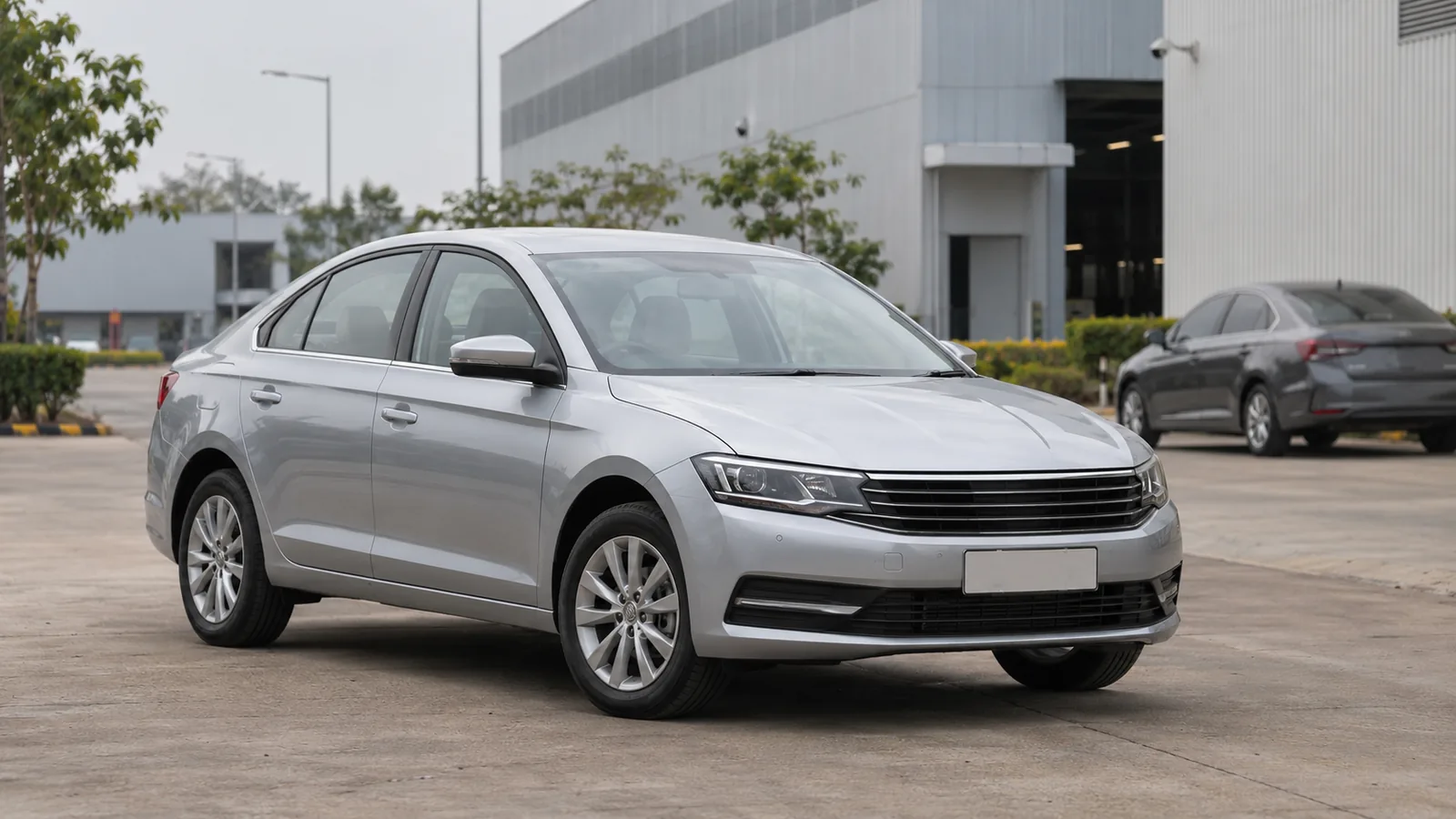
Cover image: AI-generated illustration of a generic unbranded sedan outside a manufacturing building. It does not depict an official Škoda Slavia design or the Chakan factory.

Read more