Autoliv Q3 2026: India's 29% Organic Sales Growth Explained
Autoliv's third-quarter report, released on 23 October 2026, highlights India as a growth driver. The supplier reports 29% organic sales growth in India, attributing it to stronger light-vehicle production and increasing safety content in Indian vehicles.
The distinction matters: this is growth in a supplier's sales, rather than a count of cars bought by consumers. Our reading is that the result illustrates how the value of components supplied into a vehicle market can develop differently from vehicle volumes alone.
Autoliv India growth in the global picture
| Q3 2026 measure | Result |
|---|---|
| India organic sales growth | 29% year on year |
| Asia excluding China organic sales growth | 8.8% year on year |
| Global organic sales change | −1.1% year on year |
| Global reported net sales | US$2,693 million; down 0.5% |
Source: Autoliv Q3 report, printed pages 1 and 5. Organic growth is the company's non-GAAP measure; reported sales also reflect currency effects.
Read the regional figures on the same organic basis when comparing growth. The global reported revenue figure answers a different question about the dollar value recognised. Keeping these measures separate avoids turning a regional performance story into an unsupported claim about worldwide vehicle demand.
Why safety content per vehicle matters
Autoliv also says it outperformed light-vehicle production growth in India by 11 percentage points, driven by continued growth in safety content per vehicle. Source: Q3 report, printed page 1.
Conceptually, a supplier can grow through a combination of vehicle output, the programmes it supplies and the content installed in each vehicle. That helps explain why a component maker's growth rate need not match retail registrations. It does not tell a buyer which equipment is fitted to an individual car or identify the supplier of that car's parts.
Before shortlisting or visiting a dealer, use AutoCred's loan eligibility checker for an indicative eligible amount and estimated EMI. Results are indicative; final eligibility, rate, tenure and approval depend on the lender.
What Indian car buyers should verify
Start with the exact variant's official specification and owner's manual. Check the listed restraint equipment, the seating positions it covers and the instructions for using the belts and fitting an appropriate child seat. Have the dealer demonstrate these items in the car you intend to buy.
Keep crash-test evidence separate from the supplier's financial performance. A sales-growth figure cannot establish a model's protection level, and a component count cannot replace the results and conditions of a relevant vehicle test. When comparing cars, identify the tested version and read the accompanying explanation of its result.
What to watch in later market updates
Look for whether supplier growth continues alongside vehicle production, and whether the company explains changes in content or customer mix. For the purchasing decision, focus on documented equipment and a fit check for the people who will use the car. This turns an industry growth signal into useful questions without assuming capabilities the vehicle maker has not confirmed.
Before final shortlisting or a dealer visit, check an indicative eligible amount and estimated EMI with AutoCred's eligibility checker. Results are indicative; final eligibility, rate, tenure and approval depend on the lender.
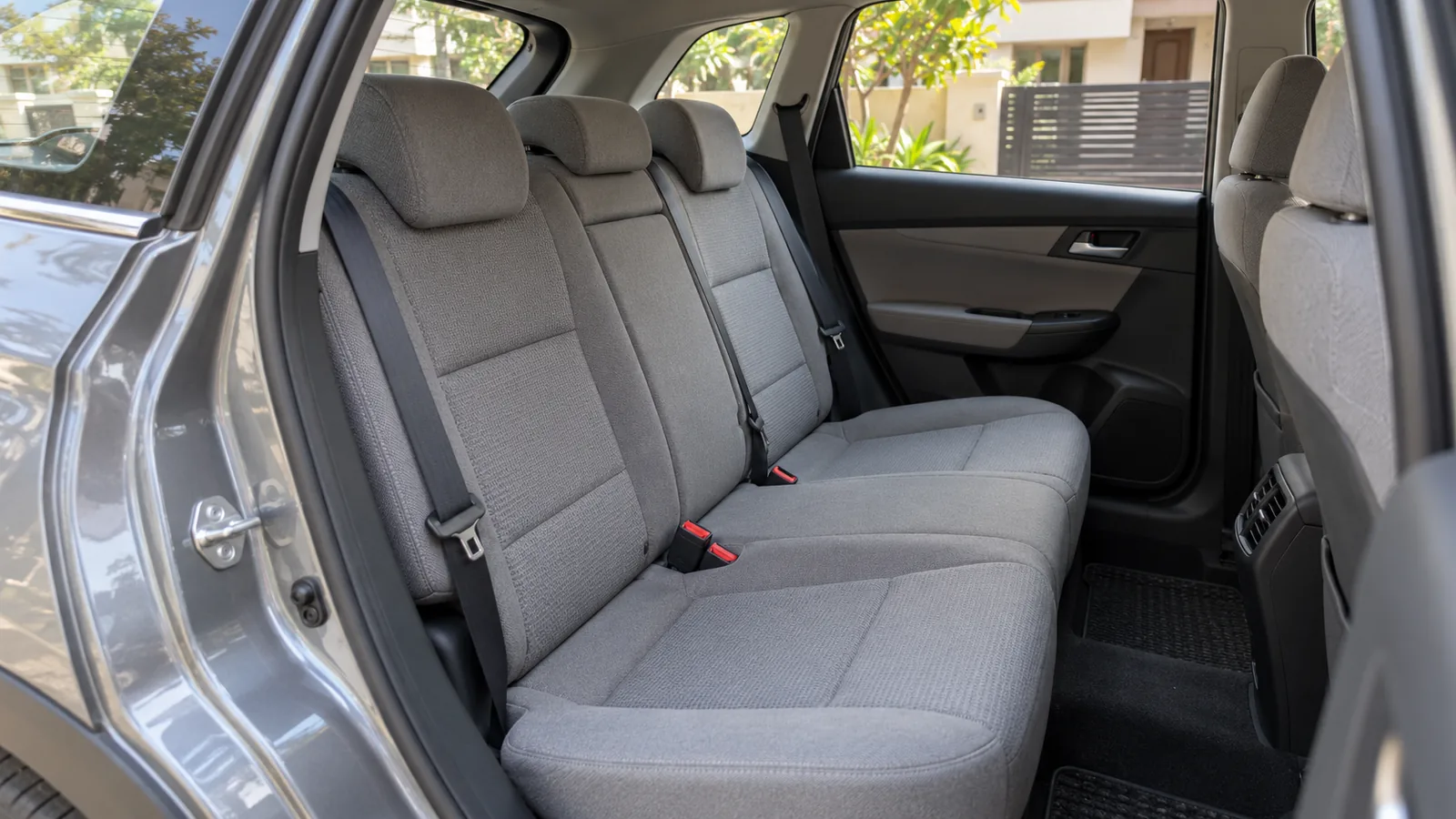
Cover: AI-generated generic car-interior illustration; not an actual Autoliv product photograph or a model-specific safety claim.