Blog

Oct 19, 2026

Foxconn and Mitsubishi Electric: What the 50% Mobility Deal Means

Foxconn and Mitsubishi Electric are pairing manufacturing scale with automotive technology in a proposed shared business. The useful market angle is the structure of that partnership: it connects a specialist automotive-equipment operation with an electronics manufacturing group, rather than announcing a new car for Indian showrooms.

What the Foxconn–Mitsubishi Electric agreement says

The companies' official joint announcement dated 16 October 2026 says Mitsubishi Electric will transfer a 50% stake in Mitsubishi Electric Mobility to Lin Yin International Investment, a Foxconn investment-management subsidiary. The two owners would then operate the automotive-equipment business jointly.

The expected transfer price is ¥115 billion. The announcement distinguishes the target business's ¥320 billion enterprise value from its ¥230 billion equity value; the stake price corresponds to half of the latter. These figures describe the transaction, rather than a budget for a new vehicle or an India investment.

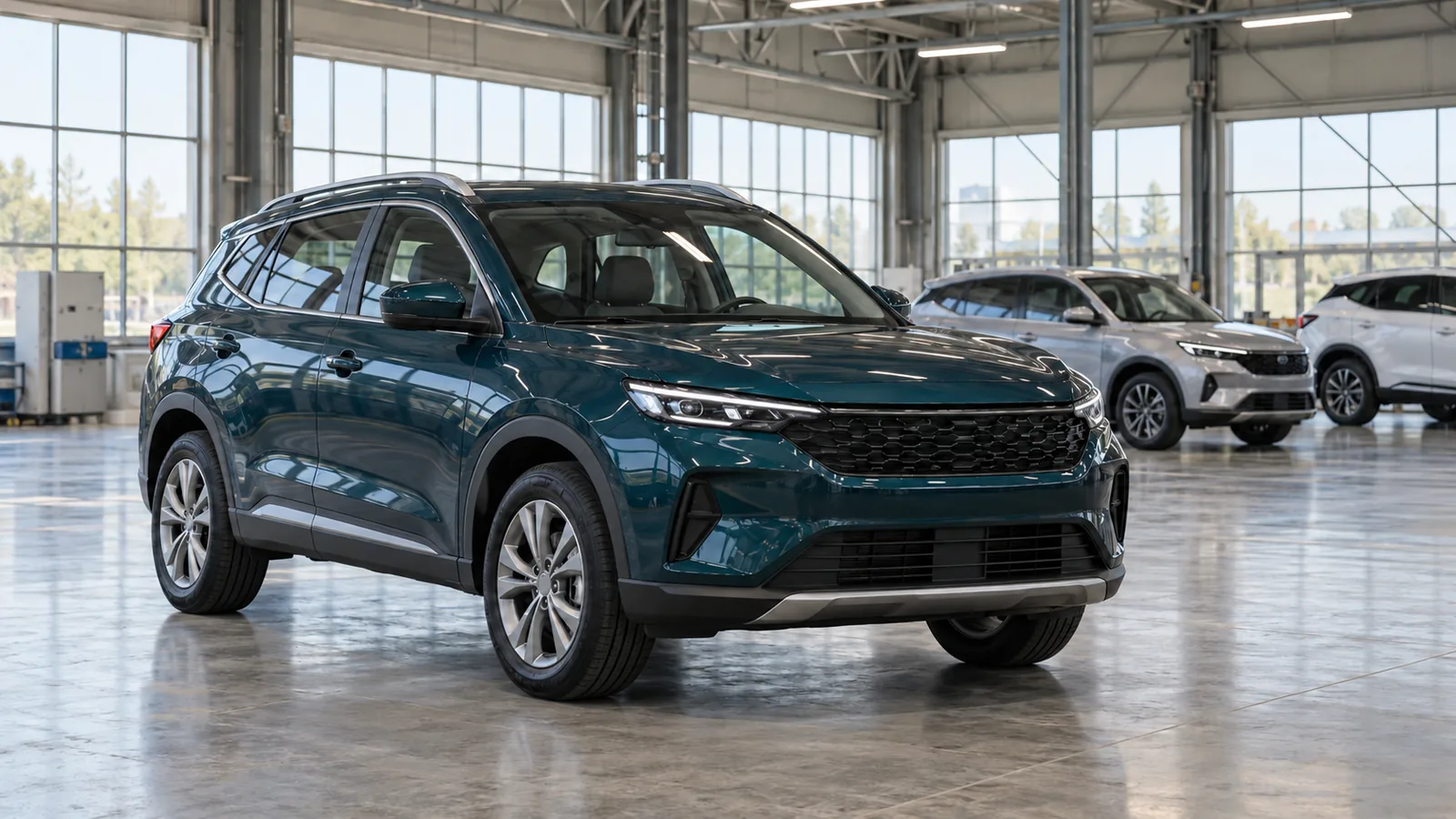
Cover: AI-generated illustration of a generic unbranded vehicle in a development studio, not a Foxconn or Mitsubishi Electric vehicle or actual facility.

The planned completion date is still ahead

The joint release expects completion on 1 October 2027, subject to contractual conditions and required regulatory approvals and clearances. Signing an agreement and completing the share transfer are separate milestones.

AutoCred's interpretation is that execution matters more than the headline stake percentage. A useful way to follow this development is to look for confirmation that the transaction closes, followed by evidence of programmes moving into production. The announcement itself should not be treated as proof of completed integration or realised commercial benefits.

Why electric powertrains, software and vehicle control matter

The stated combination brings Mitsubishi Electric Mobility's electric-powertrain, software and vehicle-control capabilities together with Foxconn's speed, scale and market-deployment strengths. The partners describe an ambition to supply electric-vehicle platforms developed in Japan.

For a supplier business, the strategic question is whether complementary capabilities become products customers actually adopt. Engineering depth and manufacturing reach can support a broader proposition, but orders, programme delivery and ongoing support will determine the outcome. No profitability improvement or customer adoption rate can be established from the partnership announcement alone.

Planning your own car purchase? Check an indicative eligible amount and estimated EMI with AutoCred's eligibility checker before shortlisting a car or visiting a dealer. Results are indicative; final eligibility, rate, tenure and approval depend on the lender.

What Indian buyers should take from the news

This is industry context, rather than a reason to postpone a purchase in anticipation of an unannounced model. The cited agreement does not establish an Indian launch date, retail price or local specification for a consumer vehicle.

When assessing a car already available to you, keep the evidence specific to that model: the equipment fitted, the warranty offered, service access and a written delivery quotation. A technology supplier's strategic partnership does not by itself settle those ownership questions.

The development is worth watching because it shows companies trying to combine different strengths across the automotive supply chain. The next meaningful checkpoints are the completion conditions and the commercial programmes that follow, rather than speculative promises about cheaper or better cars.

Compare an available car with a realistic budget

Check your car-loan eligibility with AutoCred for an indicative eligible amount and estimated EMI before shortlisting or visiting a dealer. Compare the estimate with your quotation, down payment and running-cost budget. Results are indicative; final eligibility, rate, tenure and approval depend on the lender.

Read more
Oct 19, 2026

Volkswagen Tayron Life vs R-Line: Cameras and Parking Tech

Parking equipment deserves a proper demonstration when you are shortlisting a large SUV. A shared assistance-system name does not necessarily mean two versions provide the same camera view. For Volkswagen Tayron buyers, that distinction is particularly useful when comparing the Life and R-Line.

This guide checks the two versions against Volkswagen's current India model page and its currently linked brochure. The aim is to turn the equipment list into practical questions for a showroom visit, rather than judge the car from a feature count alone.

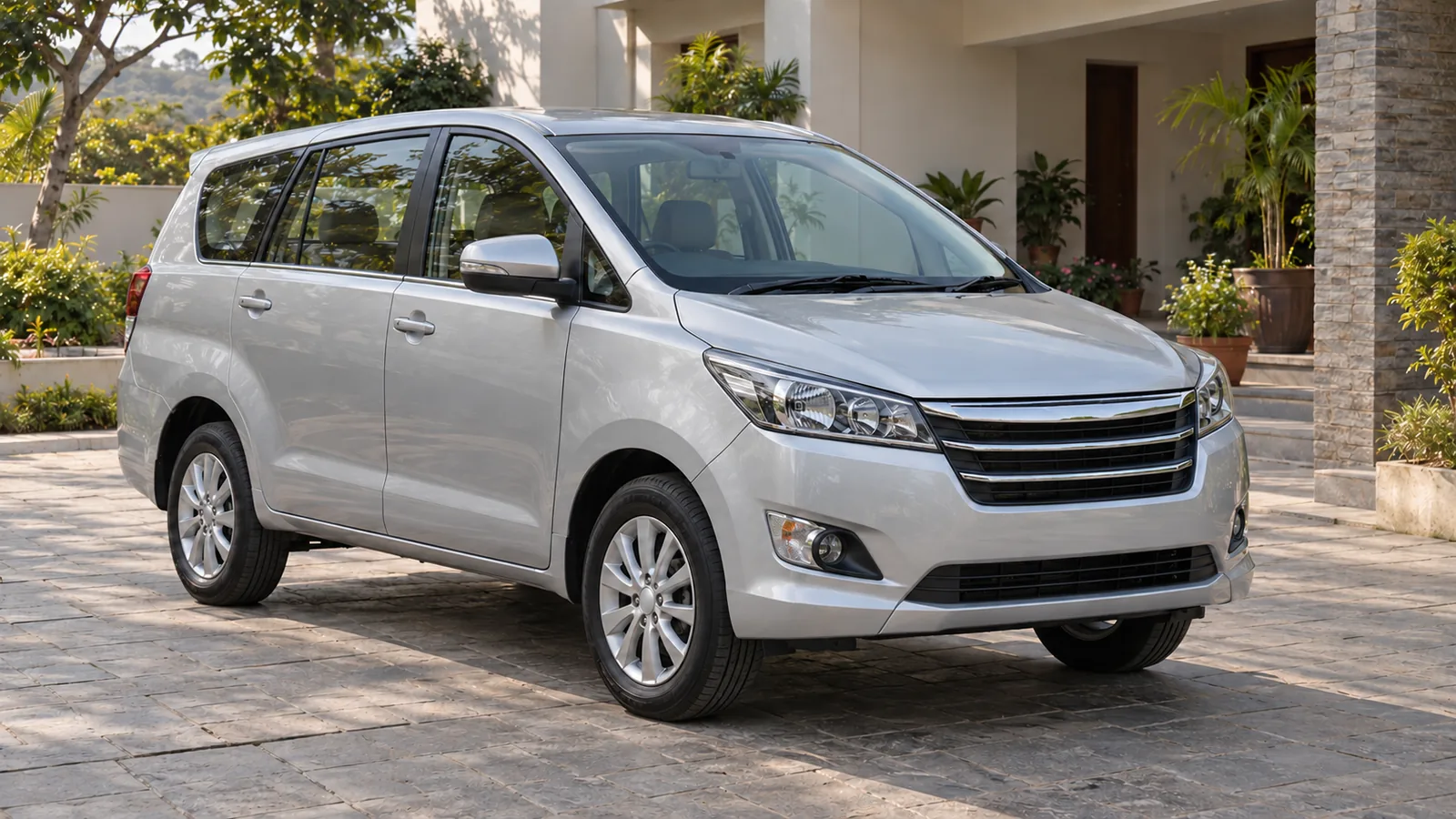
Cover: AI-generated illustration of a generic unbranded crossover in an Indian residential parking bay. It does not depict the Volkswagen Tayron or an official Volkswagen design.

Tayron Life vs R-Line: the camera and parking equipment

The driver-assistance table in the current official India brochure makes these distinctions:

EquipmentTayron LifeTayron R-Line
Park Assist Plus with Park Distance ControlListedListed
Camera equipmentRear-view camera with dynamic guidelines360° Area View, including rear-view camera with dynamic guidelines
Rear Traffic Alert and Exit WarningBoth listedBoth listed

The buying implication is straightforward: do not assume the Life includes the R-Line's Area View system merely because both list Park Assist Plus. Conversely, the camera difference should not be read as the absence of the shared parking-assistance entry on Life.

Ask what Park Assist Plus requires from the driver

The brochure confirms equipment availability, but an availability table is not an operating manual. Ask the dealership to demonstrate the system fitted to the exact version you are considering, explain the required driver inputs and show how to cancel an assisted manoeuvre.

AutoCred's advice is to compare how understandable the process feels from the driving seat. Can you identify the relevant controls and prompts? Is the display easy to read from your preferred seating position? Do not infer an autonomous-parking capability or an obstacle-detection guarantee from the feature name.

Budget for the equipment you will use: Check an indicative eligible amount and estimated EMI with AutoCred's eligibility checker before shortlisting a Tayron version or visiting a dealer. Results are indicative; final eligibility, rate, tenure and approval depend on the lender.

Check the SUV's physical fit in your parking space

The brochure's technical table lists a length of 4,792 mm and a turning radius of 6.05 metres for both versions. The latter is a radius, not a turning-circle diameter.

These figures are a starting point for a fit check. Measure your bay and approach, including pillars, gate openings and the space needed to open the doors. Ask for the applicable overall width with mirrors in the position you intend to use. A camera package does not change the physical space available around the vehicle.

Compare camera usefulness in the conditions you expect

During a supervised demonstration, compare the available views, screen clarity and how easily you can relate the image to the vehicle's surroundings. Explain whether your usual parking involves a narrow driveway, a basement bay or roadside spaces, and ask the dealer to discuss the relevant limitations using the vehicle's manual.

Choose the version whose equipment, visibility and physical fit meet your needs. Evaluate the camera difference alongside the rest of the specification and an itemised quotation; it should be a considered part of the buying decision, rather than the only reason to upgrade.

Check affordability before finalising your Tayron shortlist

Check your car-loan eligibility with AutoCred for an indicative eligible amount and estimated EMI before shortlisting or visiting a dealer. Compare the estimate with your down payment, quotation and running-cost budget. Results are indicative; final eligibility, rate, tenure and approval depend on the lender.

Read more
Oct 19, 2026

Proton's Export Strategy: 7,370 Vehicles and a Broader Factory Role

Export growth can come from selling more cars under a company's own badge or from taking on production for a partner. Proton's latest update makes that distinction worth examining.

In its 16 October 2026 official update, Proton linked export expansion to international manufacturing programmes at Tanjong Malim. The shipment tally had already appeared in its monthly reporting; the newer announcement explains the industrial strategy behind it.

Cover: AI-generated illustration of generic unbranded cars in an inspection and dispatch hall. It does not depict Proton or Geely vehicles, or an actual manufacturer facility.

Proton exports: what the 7,370-vehicle figure includes

The October update reports 7,370 export vehicles for January–September 2026, comprising both Proton- and Geely-branded vehicles, against 6,000 for the whole of 2025. It attributes the bulk of the increase to Geely export programmes.

That puts the nine-month figure approximately 22.8% above the previous full-year total: AutoCred's calculation is (7,370 minus 6,000) divided by 6,000. This compares different-length periods; it is not a year-on-year growth rate for January–September.

For monthly context, the company's 2 October sales release reported September exports of 1,311 Proton and Geely vehicles from Tanjong Malim, bringing the cumulative tally to the same 7,370 units.

The concrete actions behind the export strategy

The newer release describes an integrated complex covering stamping, body assembly, paint and final assembly, supported by powertrain and new-energy vehicle facilities. It also reports that R&D and engineering facilities have moved to the Automotive High-Tech Valley, bringing development and production together.

AutoCred's interpretation is that the business case depends on matching factory capability with sustained orders. A partnership can open another route to demand, while co-located development may help teams resolve manufacturing issues. Neither is a substitute for consistent execution: the useful follow-up evidence will be repeat orders, delivery performance and results over time.

Keep your own buying budget separate from industry headlines: Use AutoCred's eligibility checker to check an indicative eligible amount and estimated EMI before shortlisting a car or visiting a dealer. Results are indicative; final eligibility, rate, tenure and approval depend on the lender.

Factory capacity is different from actual production

In the same official update, Proton lists annual capacity of 250,000 vehicles. It says a new logistics hub has been completed, with benefits expected once operational. A completed building and an operating logistics system are different milestones.

The capacity figure describes potential scale, rather than vehicles already built or sold. Dividing the export tally by that capacity would not establish overall plant utilisation because it leaves out production for other purposes and mixes reporting periods. Similarly, export growth alone does not establish profit, lower manufacturing costs or improved vehicle reliability.

What Indian car buyers can take from this development

This is a Malaysian manufacturing and export story, rather than an India launch announcement. Indian buyers should avoid treating an overseas production programme as evidence that a particular car, price or delivery date has been confirmed for their market.

The practical lesson is to look beyond manufacturing scale when evaluating an available car. Check the local specification, service access, parts support and written warranty terms applicable to the vehicle you can actually buy. A factory's international role is useful business context; your ownership decision still needs model-specific evidence and a realistic household budget.

Build a shortlist around an affordable monthly commitment

Check your car-loan eligibility with AutoCred for an indicative eligible amount and estimated EMI before shortlisting or visiting a dealer. Compare that estimate with the actual quotation, down payment and running-cost budget. Results are indicative; final eligibility, rate, tenure and approval depend on the lender.

Read more
Oct 19, 2026

Toyota Innova Crysta 2026: Seats, Airbags and Grade Guide

The Toyota Innova Crysta shortlist becomes easier when you separate three decisions: the number of seats your household actually needs, the safety equipment fitted to the chosen grade and the conveniences worth paying for. A showroom car with an impressive equipment list may not match the version on your quotation.

Toyota introduced its updated Crysta on 4 June 2026, announcing styling changes and additional convenience features across select grades. This guide uses that official update alongside the current specification table and brochure, rather than assuming every advertised feature is standard.

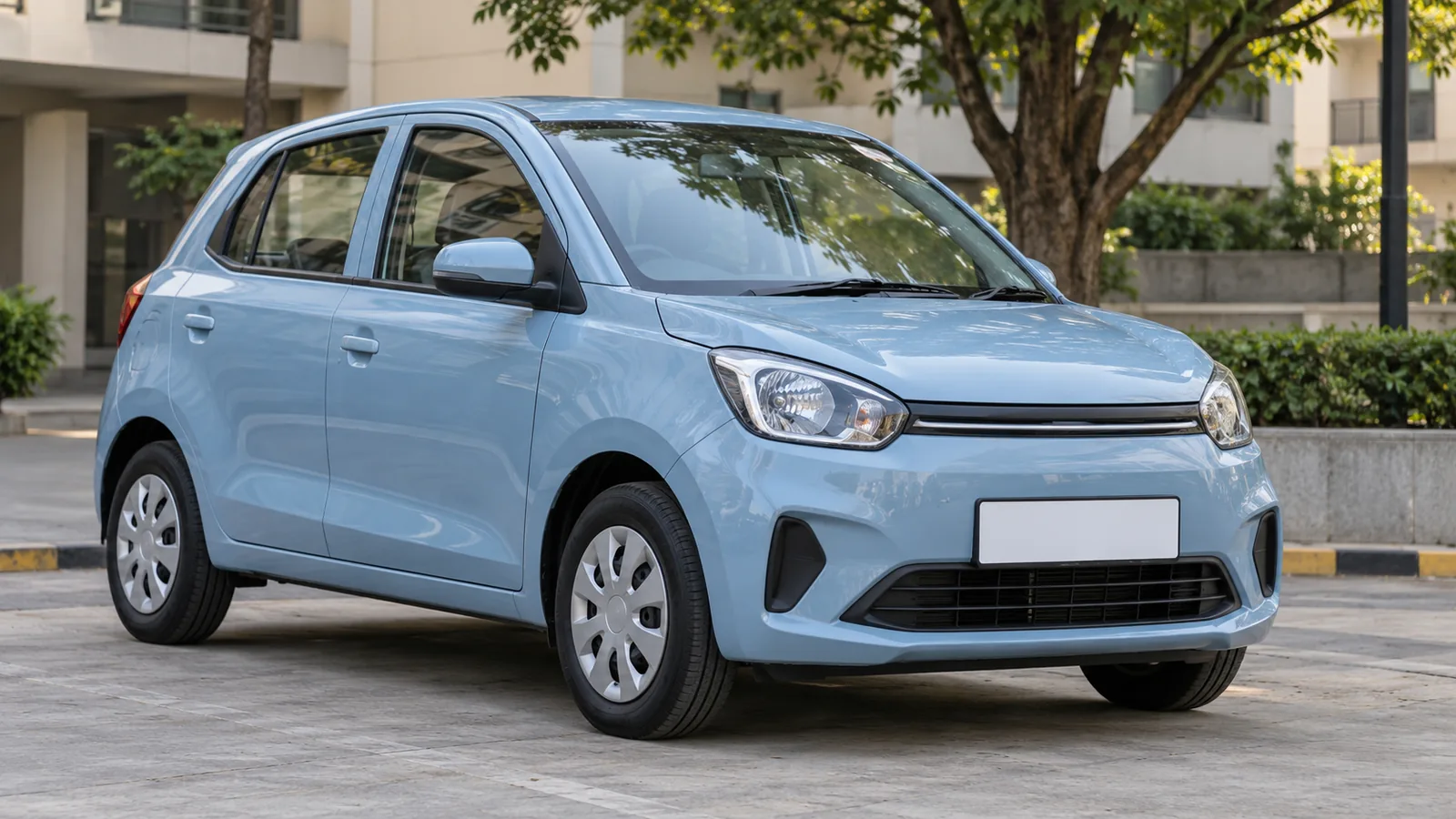
Cover: AI-generated illustration of a generic unbranded family MPV in an Indian driveway; it does not depict the Toyota Innova Crysta or an official Toyota design.

Innova Crysta seven or eight seats: choose the requirement first

Toyota's current official brochure lists the following seating and airbag combinations:

GradeListed seating capacityListed SRS airbags
G, GX and GX+Seven or eightThree
VXSeven or eightSeven
ZXSevenSeven

If an eighth seat is essential, establish that requirement before comparing cosmetic upgrades. If it is only occasionally useful, take the usual passengers to the showroom and compare the actual layouts. Try entering the rear row with the middle seats positioned for everyday use, rather than relying on a demonstration with everything moved out of the way.

Airbag counts need a grade-specific check

The brochure distinguishes three airbags on G, GX and GX+ from seven on VX and ZX. The former cover the driver, front passenger and driver knee; the latter add front side and curtain shield airbags. This detailed table matters when reading broader promotional descriptions of the vehicle.

AutoCred's buying advice is to treat this as a separate decision from upholstery or exterior trim. Ask for the exact grade's written equipment list, check it against the booking form and clarify how child restraints will be installed using the applicable owner's manual. An airbag count alone is not a crash-test rating.

Set a realistic grade budget: Use AutoCred's eligibility checker to check an indicative eligible amount and estimated EMI before shortlisting a Crysta grade or visiting a dealer. Results are indicative; final eligibility, rate, tenure and approval depend on the lender.

VX versus ZX: which conveniences will you use?

The current model specification table lists automatic climate control, cruise control and a wireless charger on VX and ZX. The power-adjustable driver's seat and tyre-pressure monitoring system are listed on ZX. It also specifies a 2,393 cc diesel engine with a five-speed manual transmission across the displayed grades.

For someone who drives through stop-start traffic, the transmission deserves attention before the trim upgrade. During the test drive, assess clutch effort, low-speed manoeuvring and the driving position. For households sharing driving duties, test how easily each person can find a comfortable position. These are personal checks, not claims that one grade will suit everyone.

What to confirm before paying a booking amount

Carry your typical luggage, check access with the passengers who will use the rear seats and request an itemised on-road quotation. Separate factory equipment from optional accessories, and compare the actual seat configuration rather than the grade name alone. Obtain written delivery information for the vehicle being offered.

The sensible Crysta choice is the configuration that meets your passenger and safety priorities while leaving room in the household budget for running costs. A higher trim should solve a need you can identify during the showroom visit.

Check your budget before finalising the shortlist

Check your car-loan eligibility with AutoCred for an indicative eligible amount and estimated EMI before shortlisting or visiting a dealer. Use the result alongside your down payment and itemised quotation. Results are indicative; final eligibility, rate, tenure and approval depend on the lender.

Read more
Oct 19, 2026

VinFast September EV Deliveries: VF 3 Leads the Vietnam Mix

VinFast's latest monthly Vietnam delivery filing gives a useful view of how its volume is distributed across models. The headline increase matters, but the composition and reporting scope deserve equal attention before drawing conclusions about the company's wider market position.

For Indian readers, this is background on the manufacturer's home market. Assessing its Indian business also requires separate evidence about local deliveries, product availability and ownership support.

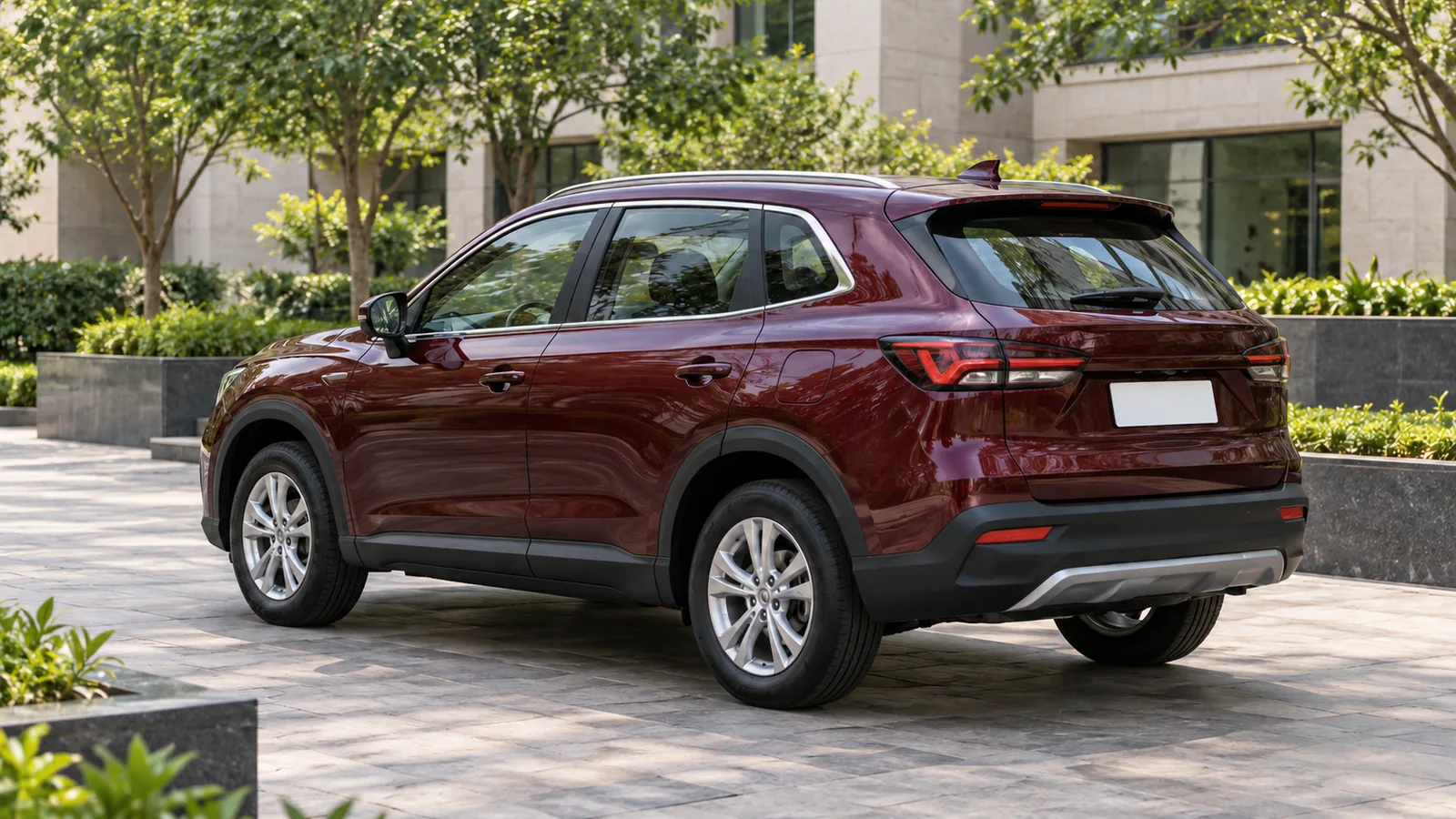
Cover: AI-generated illustration of a generic unbranded city electric hatchback in an Indian urban courtyard.

What VinFast reported for September 2026

In its 13 October 2026 filing with the US Securities and Exchange Commission, VinFast reported preliminary domestic Vietnam deliveries of 23,624 EVs in September, up 17% from the previous month. Its preliminary January–September total was 177,697 vehicles.

The reporting geography matters. These figures describe Vietnam deliveries under the filing's definition; they should not be relabelled as Indian sales or the company's global delivery total.

VF 3 and Limo Green account for nearly half the disclosed monthly total

The same filing's model breakdown identifies the following leaders:

ModelSeptember Vietnam deliveries
VF 36,474
Limo Green5,027

Adding these disclosed figures gives 11,501 vehicles, or approximately 48.7% of the reported monthly total. This is an AutoCred calculation from VinFast's published numbers, representing the two models' share of VinFast's disclosed Vietnam deliveries.

The concentration makes model mix important to the analysis. A headline total can conceal differences in how individual products perform. Sustained progress across the portfolio would need to be assessed through subsequent model-level disclosures, rather than assuming every nameplate is growing at the same pace.

Understand the exclusions before comparing delivery totals

VinFast's reporting notes exclude Vietnam deliveries made under sales agreements providing for subsequent export. The figures are preliminary and may differ from final deliveries recognised as vehicle sales revenue after audit.

When comparing another period or dataset, first check whether it uses the same geography and export treatment. Otherwise, an apparent change may partly reflect a different reporting boundary. The monthly total also cannot establish profitability without information about selling prices and costs.

Keep market momentum separate from your purchase budget. Use AutoCred's eligibility checker to check an indicative eligible amount and estimated EMI before shortlisting or visiting a dealer. Results are indicative; final eligibility, rate, tenure and approval depend on the lender.

The separate question for India's car market

VinFast's India network release published on 7 August 2026 reported its 60th retail outlet and first 3S dealership in Bihar. The Patna facility combined sales, after-sales service and customer support. That is a dated network milestone, rather than a statement of today's outlet count.

It illustrates the separate work required to build an ownership network in a new market. Home-market delivery scale supplies context; an Indian customer's experience depends on the local operation that sells and supports the vehicle.

Before booking, confirm the exact India specification, a written delivery quotation and the service location you would use. Ask who handles routine maintenance, warranty work, parts sourcing and roadside assistance, and obtain the applicable terms. Those answers are more useful to an individual buyer than transferring a Vietnam growth percentage to India.

Check affordability before finalising your shortlist. Check an indicative eligible amount and estimated EMI with AutoCred before shortlisting or visiting a dealer. Results are indicative; final eligibility, rate, tenure and approval depend on the lender.

Read more
Oct 19, 2026

Honda ZR-V e:HEV India: Hybrid Modes and Mileage Explained

The Honda ZR-V e:HEV offers a different buying question from a conventional petrol automatic: how does its hybrid system fit your everyday driving? Understanding the power flow and the published figures can make a test drive more useful.

Honda's current India model page presents the ZR-V with a 2.0-litre e:HEV hybrid and e-CVT. This guide checks that page and its linked India brochure on 19 October 2026, focusing on how to read the specifications before shortlisting.

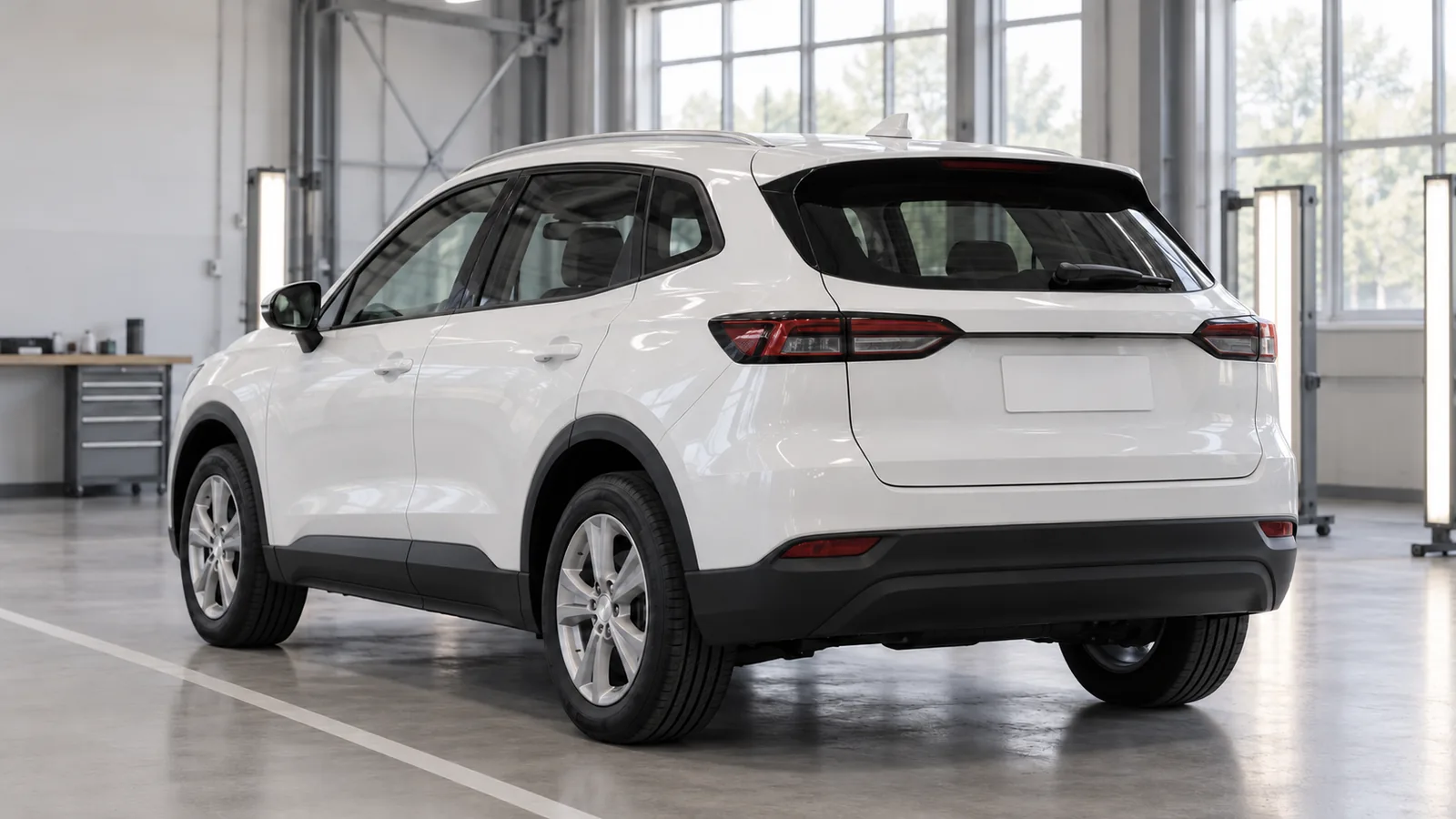
Cover: AI-generated illustration of a generic unbranded crossover in an Indian office courtyard.

How the ZR-V e:HEV switches between hybrid modes

Honda's India brochure, page 5, describes automatic switching between these power-flow modes:

  • EV Drive: battery power runs the traction motor with the engine off when starting.
  • Hybrid Drive: the engine generates electricity for the driving motor, with battery support during acceleration.
  • Engine Drive: a clutch connects the engine directly to the wheels during high-speed cruising.

The specification table distinguishes these automatic power-flow modes from the driver-selectable ECON, NORMAL and SPORT settings.

During the demonstration, ask the dealer to explain the energy-flow display while you experience moving away, accelerating and cruising. Observe how the transitions feel, rather than expecting the engine to remain silent throughout the drive.

Read combined power separately from engine and motor output

The page 21 specification table lists maximum engine power of 105 kW (143 PS), traction-motor power of 135 kW (184 PS), and combined system power of 135 kW (184 PS). The motor's quoted maximum torque is 315 Nm.

The combined figure is the published overall rating; adding the engine and motor ratings would give an unsupported total. The torque entry describes the motor.

For a buyer, those distinctions help keep comparisons meaningful. How comfortably the vehicle accelerates with your usual passengers and luggage still deserves a representative test drive.

Set a budget before choosing the hybrid. Use AutoCred's eligibility checker to check an indicative eligible amount and estimated EMI before shortlisting or visiting a dealer. Results are indicative; final eligibility, rate, tenure and approval depend on the lender.

What does the certified 22.80 km/l figure mean?

Honda's brochure lists 22.80 km/l, with a footnote identifying certification under Rule 115 of CMVR 1989 and rounding to two decimal places. Treat it as the published certified figure, rather than a promise for your personal route.

For your budget, ask how the dealer's fuel-cost illustration was calculated: the assumed distance, fuel price and mileage should all be visible. Use an estimate appropriate to your own journeys, and avoid treating a brief test-drive display reading as a long-term average.

Checks to make before booking a ZR-V

Try the car on familiar roads with the air conditioning operating. Check visibility, seat comfort, parking controls and luggage space. Request an explanation of the deceleration selector and Honda SENSING functions, including their operating conditions, using the owner's manual.

Ask for an itemised quotation identifying the exact specification, delivery terms, warranty coverage and maintenance package. Have the dealer explain the hybrid-system coverage in writing, including exclusions and any optional extension, so you can compare ownership terms alongside the purchase price.

The most useful decision combines a clear understanding of the hybrid, a comfortable demonstration drive and a complete quotation you can assess.

Plan the financing before visiting a dealer. Check an indicative eligible amount and estimated EMI with AutoCred before finalising your shortlist or visiting a dealer. Results are indicative; final eligibility, rate, tenure and approval depend on the lender.

Read more
Oct 19, 2026

Leapmotor B10 Production in Spain: Stellantis' Localisation Strategy

Leapmotor's international expansion has reached a concrete manufacturing milestone. On 16 October 2026, Stellantis and Leapmotor announced the start of B10 production in Zaragoza, Spain. The development gives their European strategy an operating factory programme to assess.

For readers following the car market, the important distinction is between an announced plan, the beginning of production and the commercial results that follow. Each answers a different question about growth.

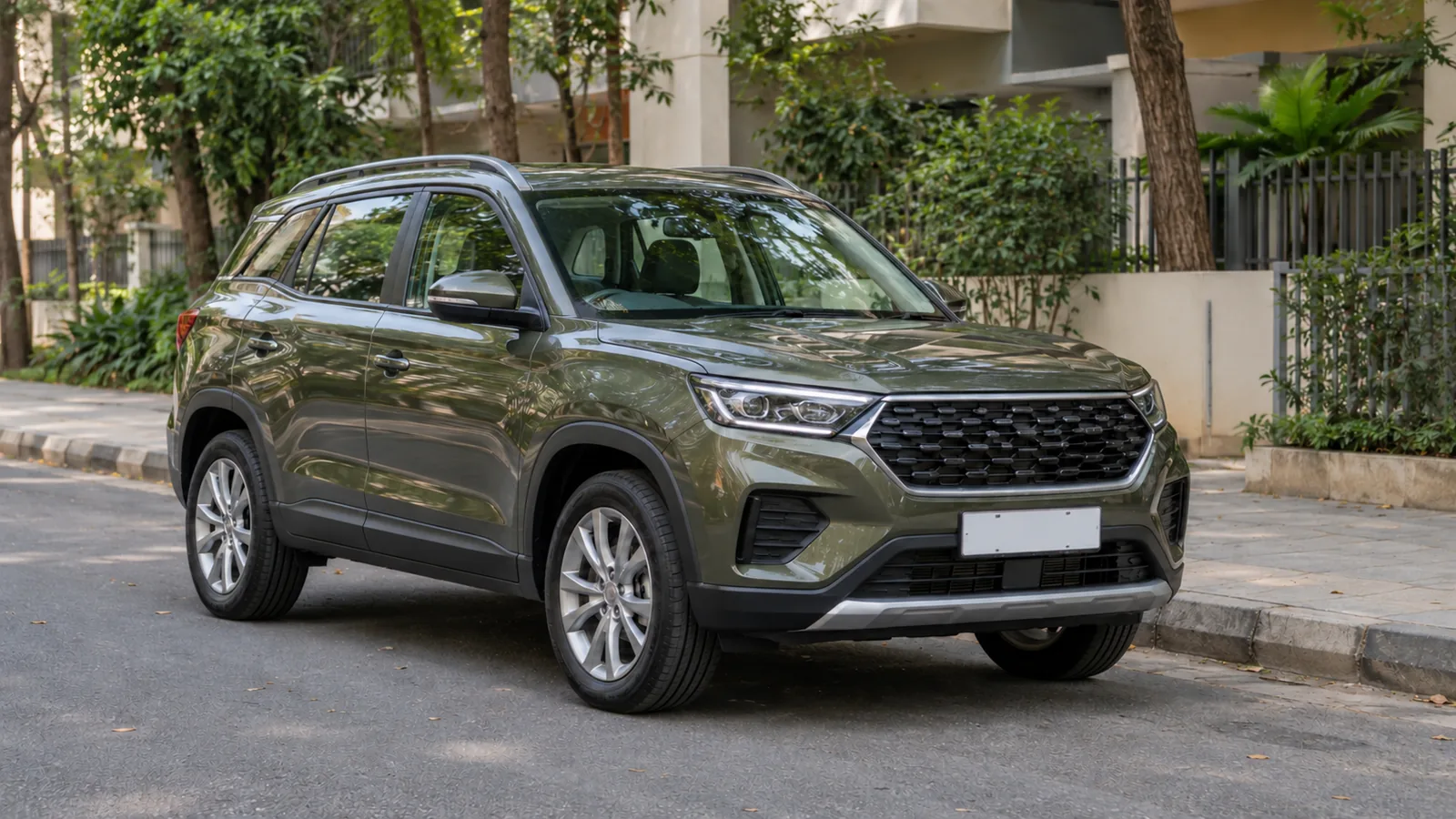
Cover: AI-generated illustration of a generic unbranded electric crossover in a vehicle inspection studio.

Why Stellantis and Leapmotor chose Zaragoza

The official production announcement says Zaragoza was selected for its quality, available capacity and industrial expertise. The B10 joins a facility already producing the Opel Corsa, Peugeot 208 and Lancia Ypsilon. The partners describe the project as combining Stellantis' manufacturing capabilities with Leapmotor's technology.

The strategic logic is to bring a new product into an established industrial setting. Existing facilities and experienced operations can provide a base for expansion, while the incoming vehicle creates another use for that manufacturing capacity. Actual benefits still depend on execution: the ability to build consistently, supply the right parts and match output to customer demand.

Starting production establishes that a manufacturing programme has moved forward. It does not, on its own, quantify factory utilisation, customer deliveries, profit or the price buyers will pay.

How the production milestone relates to the earlier plan

In their 8 May 2026 partnership announcement, the companies described potential B10 production at Zaragoza during 2026. They also discussed broader purchasing cooperation and possible additional manufacturing projects. That release identified Leapmotor International as a joint venture owned 51% by Stellantis and 49% by Leapmotor.

The October announcement supplies a specific update on the B10 manufacturing step. The status of other proposals should be checked separately: a completed milestone for this model does not automatically confirm every earlier initiative.

Shared purchasing and local production pursue related commercial goals. Purchasing cooperation aims to improve the terms and coordination of component supply; local production brings assembly closer to a target market. How those arrangements affect cost, availability and margins requires evidence from the operating business.

Turn market news into a practical budget. When comparing cars available to you, use AutoCred's eligibility checker to check an indicative eligible amount and estimated EMI before shortlisting or visiting a dealer. Results are indicative; final eligibility, rate, tenure and approval depend on the lender.

What should readers watch next?

The next useful indicators would be the pace of customer deliveries, confirmed availability across markets and evidence that the production programme supports demand. Those developments would help connect the factory milestone with market performance.

For the supplier and manufacturing ecosystem, the questions concern how component sourcing, quality processes and logistics develop around the programme. The releases establish the partners' direction, but do not provide enough information to calculate savings per vehicle or predict a sustained sales outcome.

What this European development means for Indian buyers

This announcement concerns production in Spain for the partners' international strategy. It supplies no India-specific B10 launch date, price or booking terms. An Indian buyer considering any new entrant should look for a separate official local announcement and a clear ownership-support offer.

Before making a purchase decision, confirm the model and specification actually offered in India, the responsible sales and service network, warranty terms, spare-parts support and the complete quotation. A manufacturer's international factory expansion is useful background; a local purchase needs those practical details.

Check your budget before choosing the car. Check an indicative eligible amount and estimated EMI with AutoCred before finalising your shortlist or visiting a dealer. Results are indicative; final eligibility, rate, tenure and approval depend on the lender.

Read more
Oct 19, 2026

Nissan Tekton T160 vs T280: Manual and DCT Buyer Guide

The Nissan Tekton's engine choice also determines which gearboxes you can consider. The T160 is a manual proposition, while the T280 offers both manual and automatic options. That makes your driving routine a useful starting point before comparing equipment grades.

Nissan introduced the Tekton in India on 9 July 2026. This buying guide uses the brand's current India specifications, checked on 19 October, to explain the powertrain choices and the questions worth taking to a test drive.

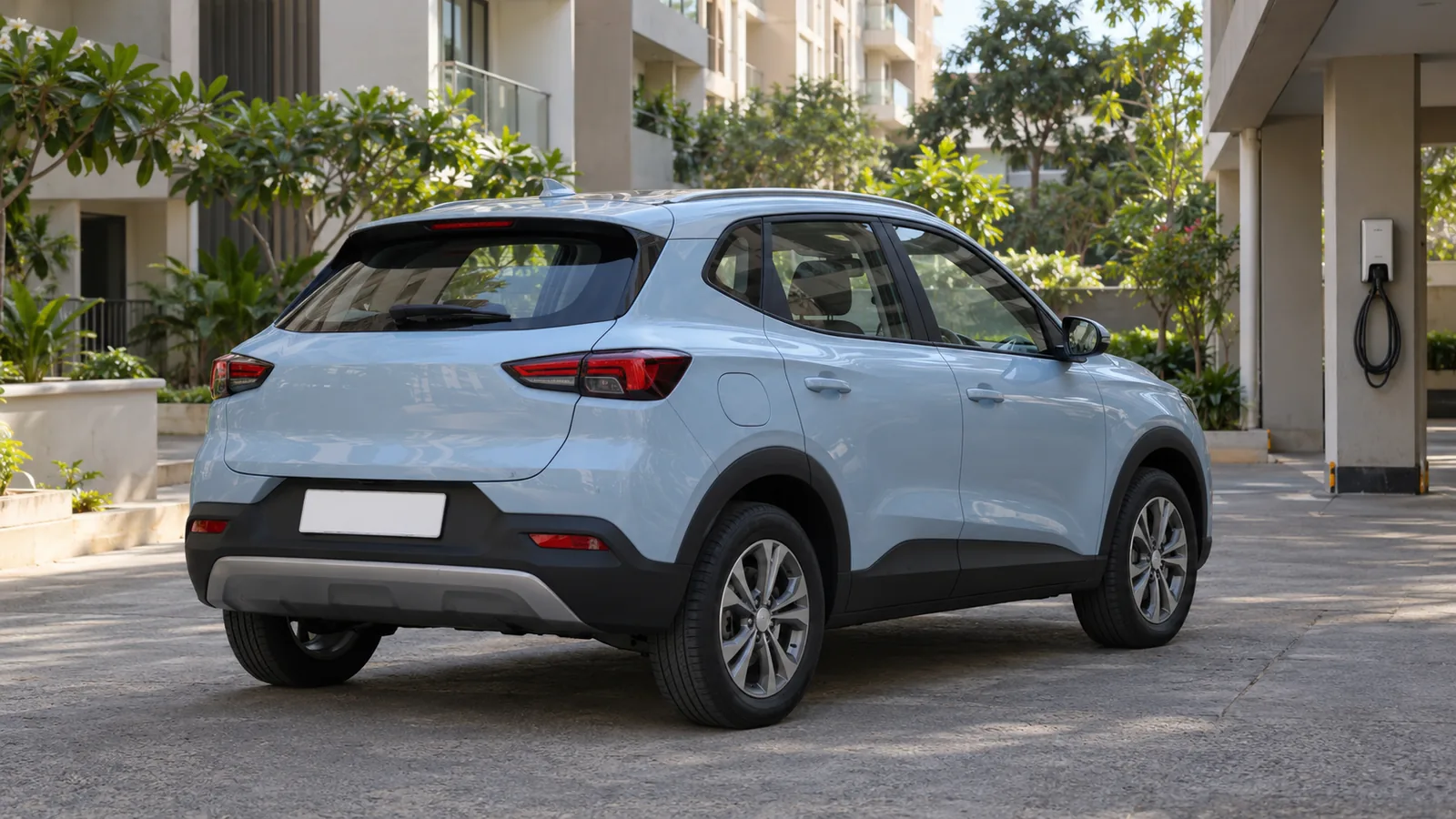
Cover: AI-generated illustration of a generic unbranded crossover on an Indian residential street.

Nissan Tekton T160 and T280 specifications compared

Nissan's India model page lists these turbo-petrol combinations:

PowertrainEngineMaximum powerMaximum torqueGearbox
T160 manual1.0-litre, three-cylinder100 PS166 Nm6-speed manual
T280 manual1.3-litre, four-cylinder163 PS280 Nm6-speed manual
T280 automatic1.3-litre, four-cylinder163 PS280 Nm6-speed wet-clutch DCT

The T280's higher quoted output gives you a different specification to assess, but the figures do not replace a drive with your usual passenger load. The T160 badge also should not be read as an exact torque figure: the published maximum is 166 Nm.

When does the T160 manual deserve a test drive?

Start here if you are comfortable operating a clutch and want to establish whether the lower-output engine meets your needs. Ask to drive through the junctions, inclines and traffic conditions that resemble your regular use.

Check how easily you can move away, select gears and maintain progress with the air conditioning running. If the car will often carry family and luggage, discuss a representative demonstration with the dealer. These checks are more useful than assuming the smaller engine will either feel inadequate or suit everyone.

Should you choose the T280 manual or DCT?

Both T280 versions have the same published peak power and torque. Your preference for clutch operation, shifting and low-speed control therefore becomes central to the comparison.

Try the manual if you prefer choosing gears yourself. In the DCT, spend time on parking manoeuvres, moving away after a stop and gently changing speed in traffic. Ask the dealer to explain the recommended operating procedure from the owner's manual, including use on inclines.

Nissan identifies the automatic as a wet-clutch DCT with an electronic shifter and paddle shifters. Those descriptions identify the hardware and controls; they do not establish how comfortable you will find the car or predict long-term repair costs.

Compare the upgrade with your budget. Use AutoCred's eligibility checker to check an indicative eligible amount and estimated EMI before shortlisting or visiting a dealer. Results are indicative; final eligibility, rate, tenure and approval depend on the lender.

Compare the same equipment before comparing quotations

Ask for the exact engine, gearbox and equipment grade on each quotation. Moving from a manual to an automatic may also change the grade you are considering, so identify which part of the price difference pays for the transmission and which part pays for added equipment.

Check the current variant specification for the features you actually need, then request an itemised on-road quotation. Include insurance, registration, selected accessories and any maintenance or warranty package in the comparison. Obtain the package terms rather than treating an optional product as standard coverage.

A useful shortlist is the combination you find comfortable to drive, with equipment you will use and a complete cost you can assess. Keep the signed variant specification and delivery quotation alongside your test-drive notes before booking.

Plan the financing before the dealer visit. Check an indicative eligible amount and estimated EMI with AutoCred before finalising your shortlist or visiting a dealer. Results are indicative; final eligibility, rate, tenure and approval depend on the lender.

Read more
Oct 18, 2026

Continental's EV Tyre Strategy: Efficiency and 650-Plus New Sizes

Tyres are part of the electric-car growth story, alongside batteries and charging. Continental's 15 October 2026 announcement about Volkswagen's Mission Efficiency concept shows how it is pursuing efficiency through joint vehicle development. Its separate portfolio expansion plan shows how that engineering effort sits within a broader commercial strategy.

For Indian car buyers, the useful question is how a particular wheel-and-tyre combination fits the ownership budget. A research achievement and a global product plan need careful translation into local availability, approved specifications and replacement quotations.

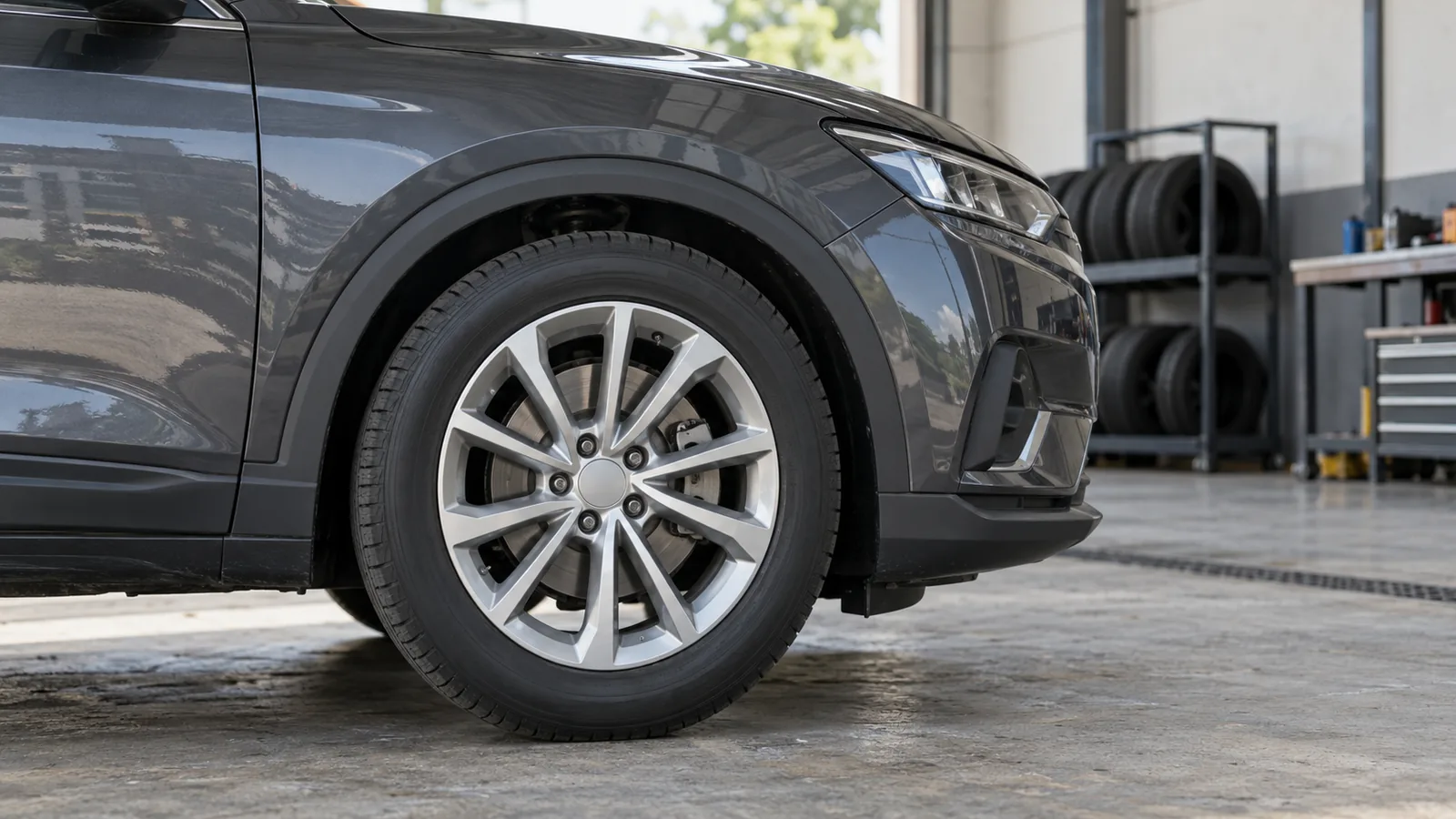
Cover: AI-generated illustration of a generic crossover wheel in an Indian tyre workshop.

What Continental's latest EV tyre development demonstrates

In its October release, Continental describes a concept tyre derived from the EcoContact 7 and modified for Volkswagen's Mission Efficiency vehicle. It reports consumption of 7.51 kWh per 100 km including charging losses on the Wolfsburg-to-Vienna drive. The company dates the record's certification to 24 August 2026; October is the announcement date.

The reported result belongs to that vehicle and journey. It does not establish the consumption an Indian buyer will achieve by changing tyres on another EV.

Continental explains that the project combined a tailored tread compound, different curing temperatures for different tyre areas and early collaboration with Volkswagen's vehicle and aerodynamics engineers. Its account of the development process points to an approach that optimises the tyre together with the car.

How the 650-plus new tyre sizes support its growth plan

Continental's 16 September 2026 portfolio announcement sets out plans to introduce more than 650 additional ultra-high-performance tyre sizes by the end of 2027, covering original equipment and replacement demand. The global programme includes secondary brands as well as Continental.

The company says these larger fitments, generally 18 inches and above in its definition, have become more significant in its business. For the Continental brand, their share of global passenger-car tyre sales rose from around 49% in 2020 to around 62% in 2025. These are company sales-mix figures, rather than Indian tyre-market share.

The strategic logic is broader coverage: more suitable fitments can create opportunities when manufacturers select original equipment and when owners later replace worn tyres. Engineering cooperation can help the supplier address a vehicle programme's requirements. Neither mechanism, by itself, proves future revenue or an Indian stock position.

Keep the car budget grounded in ownership needs. Use AutoCred's eligibility checker to check an indicative eligible amount and estimated EMI before shortlisting or visiting a dealer. Results are indicative; final eligibility, rate, tenure and approval depend on the lender.

What Indian SUV and EV buyers should compare

When comparing grades, ask the dealer to identify the exact factory wheel and tyre specification for each car being quoted. Obtain replacement prices for that approved fitment from a local supplier, including fitting and any associated service charges. This makes the comparison more useful than judging wheel designs only from brochure photographs.

Ask about expected supply time and the process for sourcing an appropriate replacement while travelling. If a dealer proposes an alternative tyre, request written confirmation that it meets the vehicle manufacturer's requirements. A global announcement about additional sizes does not answer those questions for a specific Indian location.

During a test drive, pay attention to ride comfort and road noise on surfaces you regularly use. Keep those observations separate from the consumption claimed for a specially developed concept vehicle. The practical buying decision should combine the vehicle's suitability, its approved equipment and a realistic ownership quotation.

What to watch as the tyre strategy develops

For market performance, the next useful evidence would be specific production fitments, actual regional availability and progress against the announced portfolio plan. Those milestones would help show how research and product coverage translate into business activity.

Build your shortlist around a manageable budget. Check an indicative eligible amount and estimated EMI with AutoCred before finalising your shortlist or visiting a dealer. Results are indicative; final eligibility, rate, tenure and approval depend on the lender.

Read more
Oct 18, 2026

BYD ATTO 3 India: Battery Options and Range Figures Explained

Choosing a BYD ATTO 3 should start with how the car will fit your journeys and charging routine. A larger advertised range can be attractive, but the test conditions behind that figure deserve attention before you use it to decide your budget.

This guide checks BYD's current India model page and its linked brochure on 18 October 2026. It explains the battery choices and a documentation detail that prospective buyers should clarify before booking.

Cover: AI-generated illustration of a generic unbranded electric crossover at an Indian apartment complex; not a BYD ATTO 3 or an official manufacturer photograph.

Which BYD ATTO 3 variants have the larger battery?

BYD's India model page lists the following battery capacities and ARAI-tested range claims:

VariantBattery capacityAdvertised ARAI range
Dynamic49.92 kWh468 km
Premium60.48 kWh521 km
Superior60.48 kWh521 km

The same page labels these tested range figures as applying to model year 2024. That qualification matters when checking the specification of the particular vehicle a dealer is offering.

Premium and Superior share the listed battery capacity. Moving between those grades therefore needs an equipment comparison, rather than an assumption that the higher grade adds more battery. Ask for an itemised quotation and the applicable variant specification.

Why the range footnotes need a careful reading

The model-page disclaimers describe the 521 km test as using Parts 1 and 2 of the Modified Indian Driving Cycle, from 100% to 5% state of charge. They describe the 468 km test as Part 1, with different stopping criteria: indicated charge reaching zero or inability to meet the specified speed curve.

These descriptions differ. Treating the advertised figures as a directly comparable prediction of your highway driving would overlook that difference.

There is also a mismatch within the brochure currently linked by BYD: its final-page specification table shows 468 km and 521 km, while a disclaimer on that page mentions 458 km for the 60.48 kWh battery. The document does not reconcile those entries. Request the applicable range certification and model-year specification in writing instead of deciding which entry must be correct.

Set a budget before choosing a grade. Use AutoCred's eligibility checker to check an indicative eligible amount and estimated EMI before shortlisting or visiting a dealer. Results are indicative; final eligibility, rate, tenure and approval depend on the lender.

Check charging access alongside battery capacity

The brochure's charging configuration table lists a CCS2 DC port rated at 70 kW for Dynamic and 80 kW for Premium and Superior, with Type 2 AC charging across the grades. Its disclaimers also warn that charging conditions can vary.

A port rating is not a promise that every charging stop will sustain that power. Ask the dealer to demonstrate compatible charging and explain what equipment is included in the quotation. For apartment parking, obtain the building's permission and an installation assessment before relying on home charging.

How to shortlist the right ATTO 3 for your use

Write down your ordinary commute, regular longer trips and reliable overnight charging options. During a test drive, check comfort, visibility and how the car handles your usual roads. Ask for an explanation of range expectations for that usage; distinguish the dealer's estimate from certified figures.

For longer trips, review accessible charging stops and a backup location along your actual route. Compare the complete purchase and installation quotation, rather than letting a headline range number settle the decision.

Before paying a booking amount, retain the written variant specification, model year, delivery terms and any clarification of the range documentation. That gives you a clearer basis for comparing the car being supplied with the car you intended to buy.

Plan the financing alongside the car. Check your indicative eligible amount and estimated EMI with AutoCred before finalising your shortlist or visiting a dealer. Results are indicative; final eligibility, rate, tenure and approval depend on the lender.

Read more