Blog

Oct 20, 2026

Mazda–Yazaki Wire Harness Strategy: Fewer Variants, Local Supply

Mazda's latest reporting announcement puts supply-chain resilience alongside the customer experience in its growth priorities. A recent production change with Yazaki shows what that strategy can mean at component level: redesigning wire harnesses and their manufacturing process together, rather than treating automation as a separate equipment purchase.

The strategic context in Mazda's October report announcement

In its 20 October 2026 announcement for the Mazda Integrated Report, the company identifies building a resilient supply chain with partners as a material issue toward 2035. The associated metrics include domestic production volume and local business-partner labour productivity.

Those measures make an operational question worth following: how does the manufacturer organise the work between vehicle development, parts suppliers and assembly plants? The report announcement describes priorities and measurement, rather than proving that every related performance target has been achieved.

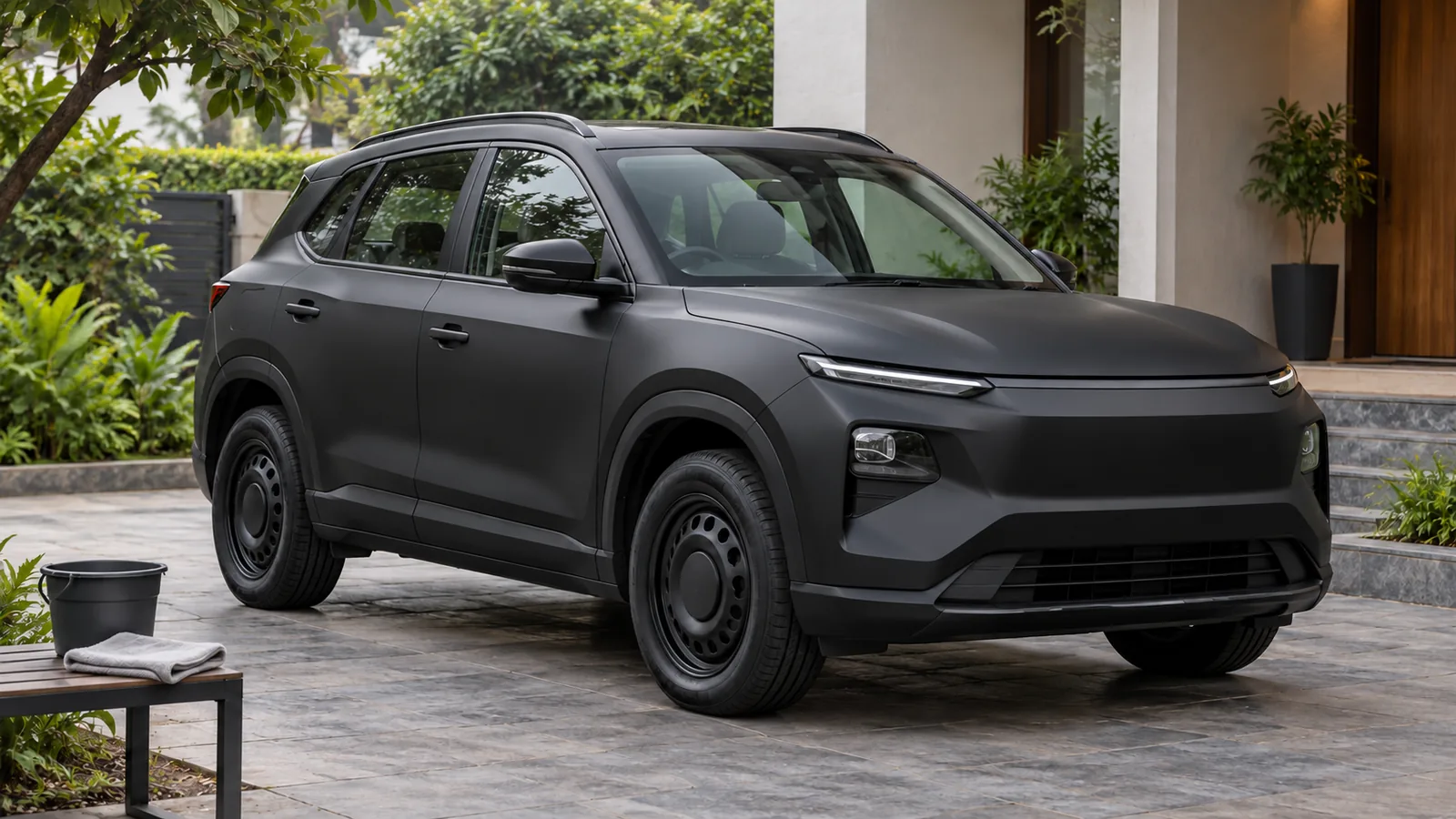
Cover: AI-generated illustration of a generic unbranded crossover beside a components warehouse, not a Mazda CX-5, a Yazaki facility or an actual wire-harness production line.

What Mazda and Yazaki changed for the CX-5

The companies' 15 October 2026 joint release describes the first application of their work on production close to vehicle-assembly plants and greater automation in the all-new Mazda CX-5. Wire harnesses distribute electrical power and transmit data throughout a vehicle.

The partners reviewed harness variants, specifications, structures and manufacturing processes from the early development stages. Their explanation is that delicate, complex assembly work cannot be automated simply by installing equipment or robots; the product and the process need to be considered together.

What the approximately 80% reduction actually measures

The joint release reports approximately 80% fewer wire-harness variants in the all-new CX-5 than in its predecessor, through optimisation of the vehicle including this initiative.

This measures the number of harness variations. It is not a stated reduction in wiring weight, manufacturing cost, labour requirements or the number of retail vehicle trims. AutoCred's interpretation is that fewer distinct component versions can simplify what a supply system must coordinate, but the scale of any commercial benefit needs its own evidence.

Keep the purchase budget grounded in a quotation: Use AutoCred's eligibility checker for an indicative eligible amount and estimated EMI before shortlisting a car or visiting a dealer. Results are indicative; final eligibility, rate, tenure and approval depend on the lender.

How production closer to assembly fits the strategy

The release describes harness assembly at a Yazaki affiliate's Mine City plant, supplying Mazda's Hiroshima and Yamaguchi plants. The partners plan further model applications.

For assessing manufacturing competitiveness, the useful follow-up is how that arrangement performs as demand and specifications change. A nearby production system still needs dependable parts, consistent execution and coordination with vehicle assembly. Its location alone does not establish a measured reduction in delivery delays or a guaranteed retail-price saving.

What this means for Indian car buyers

This is global manufacturing context, not an India launch or a local availability announcement. It helps explain why a carmaker's improvement programme may involve supplier relationships and component design as well as new factories.

For an actual purchase, use the offered model's equipment list, written delivery commitment, warranty and service information. Supply-chain strategy is useful background, but the quoted vehicle and ownership terms remain the evidence for your decision.

Check affordability before finalising the shortlist

Check your car-loan eligibility with AutoCred for an indicative eligible amount and estimated EMI before shortlisting or visiting a dealer. Compare the estimate with your down payment, confirmed quotation and ownership-cost budget. Results are indicative; final eligibility, rate, tenure and approval depend on the lender.

Read more
Oct 20, 2026

Lexus ES 500e India: Cabin Comfort and Equipment Buyer Guide

The Lexus ES 500e's cabin deserves a seat-by-seat assessment. A buyer who mainly drives and one who usually travels in the rear may value different equipment, so a general luxury label is not enough to build a shortlist. This guide uses Lexus India's current model page and its linked India brochure, reviewed on 20 October 2026.

What Lexus India lists for the ES 500e cabin

The official India specification lists five seats, a 2,950 mm wheelbase, a 14-inch infotainment screen and a 12.3-inch driver display. These describe the car's layout and equipment; they are not measurements of how comfortable a particular passenger will feel.

For a useful showroom visit, set the driver's seat to your normal position before moving to the rear. Assess knee room, foot space, head clearance and the ease of entering and leaving the car. If different family members will use it, have each try the seating position they expect to occupy.

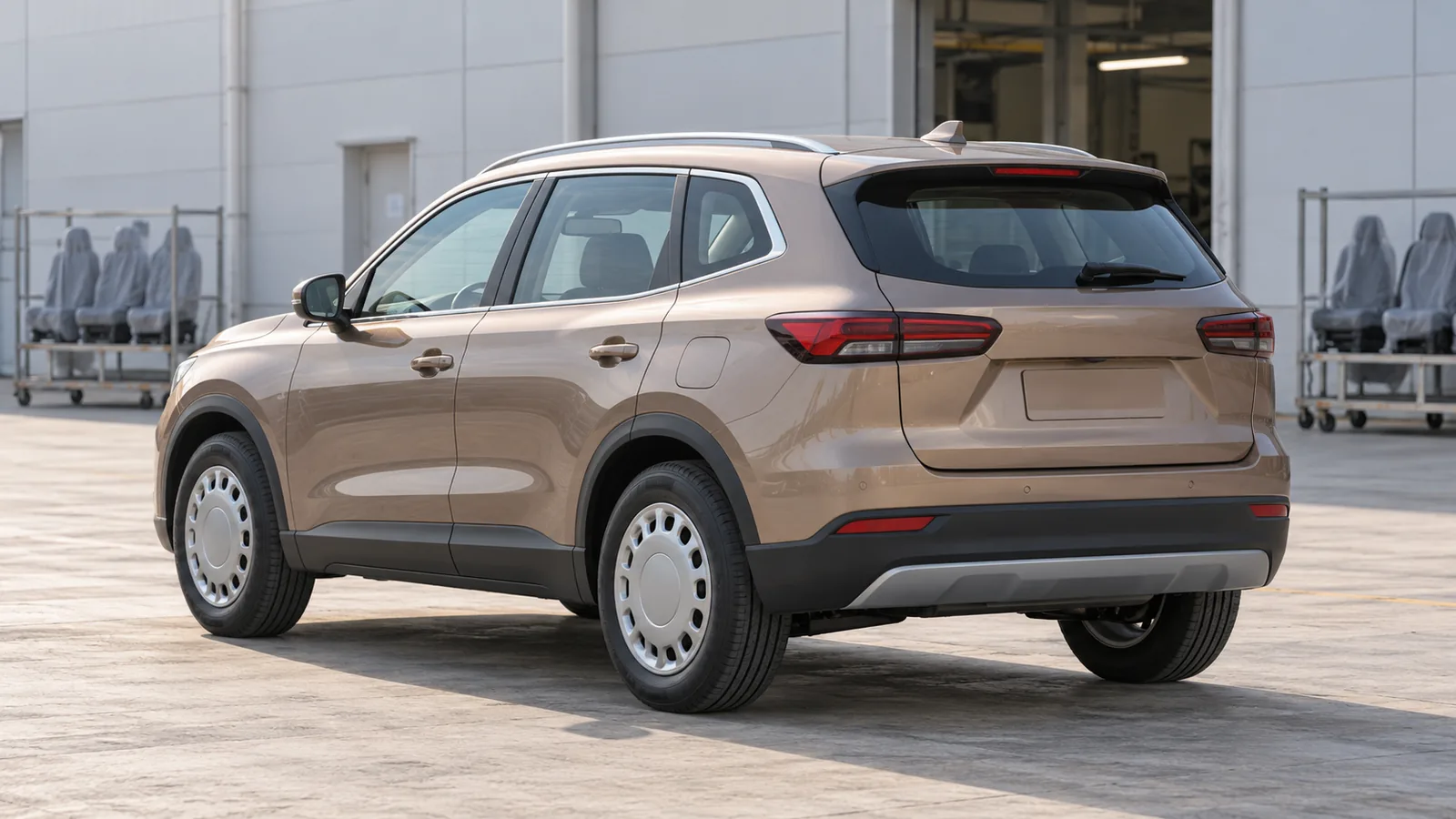
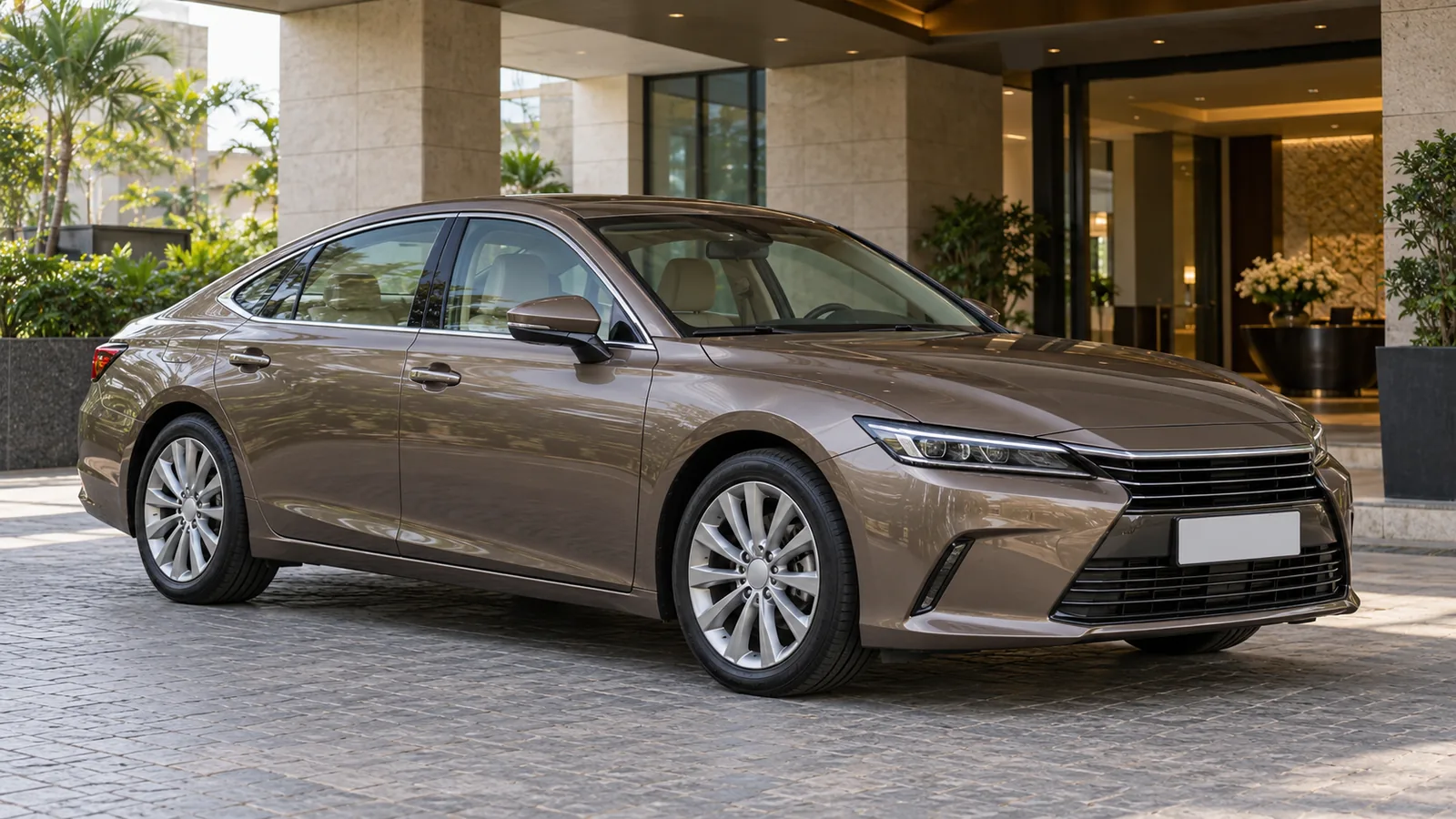
Cover: AI-generated illustration of a generic unbranded executive sedan outside an Indian hotel, not an actual Lexus ES 500e or an official vehicle photograph.

Front-seat heating and ventilation: check the seating position

The India brochure's interior table assigns seat heating and ventilation to the driver and front passenger. It also lists semi-aniline leather seats. The front-seat functions should not be assumed to apply to the rear simply because they appear in a cabin feature list.

Try the seat support, adjustment range and controls during a demonstration. For a rear-seat-focused purchase, ask the dealer to identify the exact rear-seat equipment in the supplied Indian specification. Overseas photographs and descriptions of other packages are not a substitute for that confirmation.

Match the cabin shortlist to an affordable budget: Use AutoCred's eligibility checker for an indicative eligible amount and estimated EMI before shortlisting or visiting a dealer. Results are indicative; final eligibility, rate, tenure and approval depend on the lender.

Rear sunshades and climate control are different features

The brochure's comfort table lists rear-door sunshades and automatic two-zone air conditioning. It also identifies a rear-seat trunk-through opening. None of these entries should be stretched into an assumption about separately adjustable rear climate zones or how much bulky luggage will pass through.

During the visit, operate the sunshades, check access to the controls and demonstrate the luggage opening with the items you carry. Assess the cabin after sitting in the rear for a representative period, rather than deciding from a brief look through an open door.

Evaluate the screens and convenience equipment in use

Lexus India's equipment list includes a head-up display, panoramic view monitor, smartphone connectivity and a Mark Levinson audio system with 17 speakers.

Ask for a demonstration of the functions that matter to you: phone connection, navigation display, camera views and audio controls. Check visibility and ease of use from your own driving position. An equipment count cannot replace that practical assessment, and a display demonstration is not evidence of unrestricted driver-assistance capability.

Confirm the offered India specification before ordering

Lexus India's page cautions that shown vehicles and specifications may vary from those available locally. Obtain the offered vehicle's equipment list, current itemised quotation, delivery commitment and applicable warranty and service terms in writing. This guide concerns the published cabin specification; it does not promise stock availability or introduce a new launch this week.

Check affordability before the showroom visit

Check your car-loan eligibility with AutoCred for an indicative eligible amount and estimated EMI before shortlisting or visiting a dealer. Compare the estimate with your down payment, confirmed quotation and ownership-cost budget. Results are indicative; final eligibility, rate, tenure and approval depend on the lender.

Read more
Oct 20, 2026

Sivers LiDAR Production Orders: What the Automotive Ramp Confirms

Sivers Semiconductors' latest automotive-sensing update marks a commercial step beyond a development selection: a customer has begun placing production orders. The useful market question is what that milestone confirms about the supply programme, and what still depends on the customer's ramp. For car buyers, it also illustrates why component news should be read separately from a vehicle's advertised functions.

What Sivers announced on 20 October 2026

Sivers' official announcement confirms initial production orders from a strategic LiDAR customer. It will supply lasers and optical amplifiers for the customer's automotive and industrial sensing platforms.

This is a component-supply development. The release does not identify the customer or name a passenger-car model. It should therefore not be used to attribute the programme to a particular carmaker or announce additional equipment for a car already on sale.

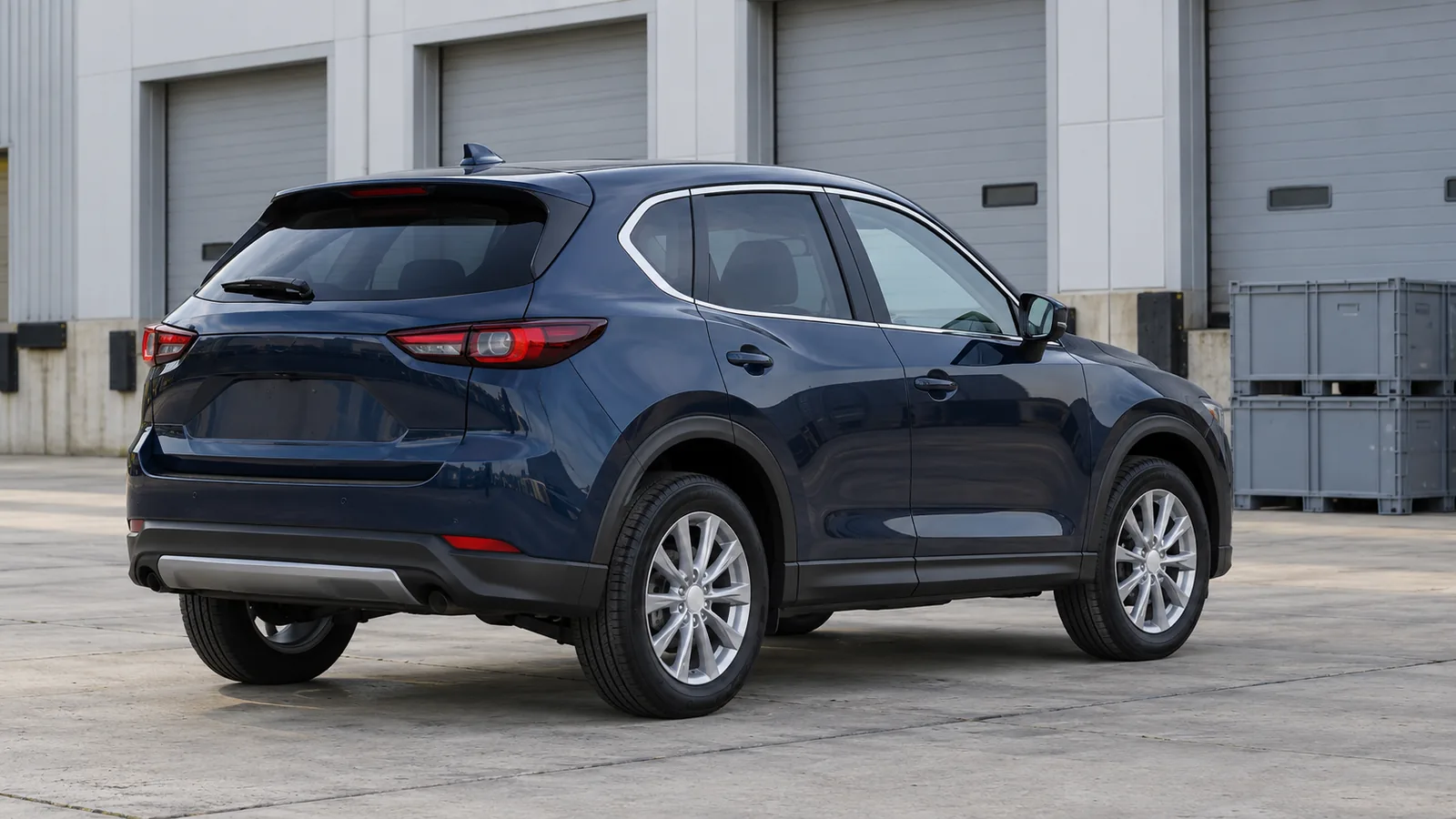
Cover: AI-generated illustration of a generic unbranded hatchback beside an Indian road, not a Sivers customer vehicle, an autonomous test car or an actual LiDAR installation.

Component shipments and customer production have different timelines

The release places the start of shipments in the fourth quarter of 2026, against rolling production orders. It says the automotive and industrial sensing programmes move into their production phase in 2027.

Those are separate points in the supply chain. A component supplier can begin shipping ahead of the customer's wider production programme. AutoCred's interpretation is that the next meaningful evidence will be the pace of repeat orders and deliveries as that programme develops, rather than an assumption that the first order immediately represents full-volume output.

How to read the USD 53–138 million opportunity

Sivers reiterates an estimated cumulative revenue potential of USD53 million to USD138 million over the customer's product lifecycle, originally announced in March 2026. The October update does not disclose a monetary value for the initial production orders.

Consequently, the lifecycle estimate is neither the value of the first orders nor an annual revenue figure. Turning an opportunity into sustained business still requires orders to translate into deliveries over time. Assessing the commercial result means following disclosed execution, rather than treating a potential revenue range as money already earned.

Keep technology news separate from affordability: Use AutoCred's eligibility checker for an indicative eligible amount and estimated EMI before shortlisting a car or visiting a dealer. Results are indicative; final eligibility, rate, tenure and approval depend on the lender.

Where the components fit in a sensing system

For technical context, Sivers' FMCW LiDAR applications page describes laser sources supporting distance and velocity measurements for uses including driver assistance, autonomous vehicles and robotics. That general product information does not establish the architecture or capability of the unnamed customer's finished system.

A laser component, a sensing platform and a vehicle function are different levels of a product. Evidence about one does not, by itself, establish the performance of the others. This distinction is useful when comparing technical announcements with the equipment actually offered on a showroom vehicle.

What an Indian buyer should check

The announcement provides no India-specific vehicle introduction or retail-price commitment. When comparing cars, ask for the exact variant's equipment list, any optional or subscription-dependent functions, and the manufacturer's explanation of operating conditions and driver responsibilities. Assess the car using that documentation and a suitable demonstration.

Check the purchase budget before finalising a shortlist

Check your car-loan eligibility with AutoCred for an indicative eligible amount and estimated EMI before shortlisting or visiting a dealer. Compare the estimate with your down payment, the confirmed quotation and ownership costs. Results are indicative; final eligibility, rate, tenure and approval depend on the lender.

Read more
Oct 20, 2026

Tesla Roadster India Reservations: Payments and Availability Checks

Tesla's India Roadster reservation page presents a staged payment commitment, not a complete purchase quotation. For someone assessing the upcoming sports car, the practical questions are how much is payable, what the selected configuration includes and which availability details still need confirmation. AutoCred reviewed Tesla's India pages on 20 October 2026.

Tesla Roadster India reservation payments: Performance vs Thrust

The official India reservation page displayed the following amounts when each configuration was selected:

ConfigurationDue todayAdditional payment within 10 daysSum of displayed instalments
Performance₹5,01,000₹45,05,000₹50,06,000
Thrust₹5,01,000₹2,45,24,000₹2,50,25,000

The final column is AutoCred's addition of the two displayed instalments. These are reservation-payment totals, not confirmed final ex-showroom or on-road prices. A buyer still needs a purchase quotation and the applicable terms before assessing the eventual cost of ownership.

Cover: AI-generated illustration of a generic unbranded sports coupe, not a Tesla Roadster, a production preview or an official vehicle photograph.

Read the payment conditions alongside the headline amount

The reservation screen labels the amount due today as fully refundable. It separately says reservations are not final until payment is received, may be cancelled if payment is not completed within 10 days, and that refunds for modifications will not be issued.

Before paying, obtain the terms applying to the selected configuration and region. Check how cancellation, modifications and refund requests are handled, rather than extending a label beside one payment to every possible transaction. Save the displayed schedule and the terms supplied for your reservation, and resolve any ambiguity with Tesla in writing.

Check the overall car budget first: Use AutoCred's eligibility checker for an indicative eligible amount and estimated EMI before shortlisting or visiting a dealer. Results are indicative; final eligibility, rate, tenure and approval depend on the lender.

Performance, Thrust and Rocket are different configurations

Tesla's India Roadster page describes Performance as road-ready with two seats, Thrust as race-ready with two seats, and Rocket as an invitation-only, single-seat configuration. Its public-road-use exclusion accompanies Rocket. The reservation selector also shows Rocket as invitation-only.

A feature demonstrated for one configuration should not be assumed to belong to another. Ask for a configuration-specific equipment description and clarification of the intended use. Marketing labels alone should not be used as confirmation of local registration or permission to use a particular feature.

Left-hand drive and regional availability need attention

The model page's availability notes specify left-hand drive only and make availability subject to regional legal requirements and applicable laws. The Thrust reservation screen also restricts that configuration to one order per customer.

For an Indian buyer, the important next step is a clear written explanation of the vehicle that could actually be supplied and the applicable local requirements. Do not treat an India-localised reservation page as a confirmed handover schedule. The pages reviewed do not provide a confirmed India delivery date or a final India purchase price.

If you need a car for a particular occasion or replacement deadline, evaluate available alternatives against confirmed delivery commitments. A reservation for an upcoming vehicle and a purchase of an available car solve different needs.

Keep affordability separate from the reservation decision

Check your car-loan eligibility with AutoCred for an indicative eligible amount and estimated EMI before shortlisting or visiting a dealer. Compare the estimate with a confirmed vehicle quotation, your down payment and running-cost budget. Results are indicative; final eligibility, rate, tenure and approval depend on the lender.

Read more
Oct 20, 2026

Li Auto's MHX Chip Financing: Funding Structure and Growth Strategy

Li Auto's chip-business financing offers a useful view of how a carmaker can fund technology development beyond vehicle assembly. The headline amount needs to be read alongside the source of the money, the conditions attached to completion and the commercial work still ahead. This analysis examines the company's October announcement rather than treating a financing agreement as a finished business expansion.

What Li Auto announced for MHX Technology

Li Auto's 16 October 2026 release announced RMB1.625 billion of equity subscription agreements for chip and domain-controller unit MHX Technology: RMB1 billion from Li Auto through a wholly owned subsidiary, and RMB625 million from external investors.

The distinction matters when assessing the strategy. The total combines money committed by the parent with outside funding. It should not be described as entirely new external capital for the group, or as vehicle-sales revenue. AutoCred's interpretation is that the structure broadens the funding base while keeping the carmaker materially involved in financing the technology platform.

Cover: AI-generated illustration of a generic unbranded SUV outside an engineering office, not a Li Auto model or an actual Li Auto or MHX facility.

The additional subscription is an option

The release gives an additional Hangzhou Jingtao investor a separate, one-off subscription right of up to RMB500 million by 31 December 2026. Completion of the financing is subject to customary closing conditions.

An optional investment and an agreed subscription are different commitments. The announcement does not establish that the extra option has been exercised or confirm a completed closing. Following the development therefore means checking subsequent company disclosures, rather than automatically adding optional capital to money already received.

Retained control and commercial execution are separate questions

Li Auto says it will retain control and consolidate MHX's financial results. For assessing the business, ownership and execution still deserve separate attention: who controls a platform does not establish how quickly its products will find customers. A financing structure should be evaluated alongside progress in turning development work into commercial applications.

Separate industry investment from your purchase budget: Use AutoCred's eligibility checker for an indicative eligible amount and estimated EMI before shortlisting a car or visiting a dealer. Results are indicative; final eligibility, rate, tenure and approval depend on the lender.

Why a dedicated chip business could support growth

Li Auto identifies research, commercialisation and broader industrial opportunities, particularly outside automotive, as purposes of the platform and financing. These are stated strategic aims, not a report of sales to new customers.

A separate technology platform can be assessed on whether it turns development work into products that customers adopt. Relevant evidence would include disclosed commercial applications, customer relationships and repeatable business outcomes. A larger funding commitment can support that work, but does not by itself prove product competitiveness, a reduction in manufacturing costs or stronger vehicle demand.

What Indian car buyers can infer

The release is useful context for automotive technology strategy. It does not announce an India model, local launch date or a retail-price reduction. Nor does the financing amount measure the performance of a driver-assistance feature in a vehicle.

For a purchase decision, compare the specific car's demonstrated functions, applicable warranty and service support with a confirmed quotation. Keep that evidence separate from a manufacturer's ambitions for an underlying technology business.

Check affordability before visiting a dealer

Check your car-loan eligibility with AutoCred for an indicative eligible amount and estimated EMI before shortlisting or visiting a dealer. Use the estimate alongside your down payment and ownership-cost budget. Results are indicative; final eligibility, rate, tenure and approval depend on the lender.

Read more
Oct 20, 2026

Škoda Octavia RS India: Performance, Boot Space and Buying Checks

The Škoda Octavia RS combines a performance-focused powertrain with a substantial luggage compartment. For an Indian buyer considering it, the useful comparison is not just acceleration against another car: it is whether the driving experience, luggage access and ownership budget suit everyday use. This guide uses Škoda's published India information, rather than a road test or a claim of current dealer stock.

Octavia RS engine, DSG and front-wheel drive

Škoda's official India model page specifies a 2.0 TSI turbocharged petrol engine producing 195 kW and 370 Nm, paired with a seven-speed DSG automatic and front-wheel drive. Its published 0–100 km/h figure is 6.4 seconds; that is the manufacturer's claim, not an AutoCred test result.

For a prospective owner, a test drive should cover ordinary traffic as well as a suitable open-road section within legal limits. Assess throttle response, low-speed manoeuvring and how comfortably you can modulate the car in your usual driving conditions. An acceleration figure cannot answer those questions.

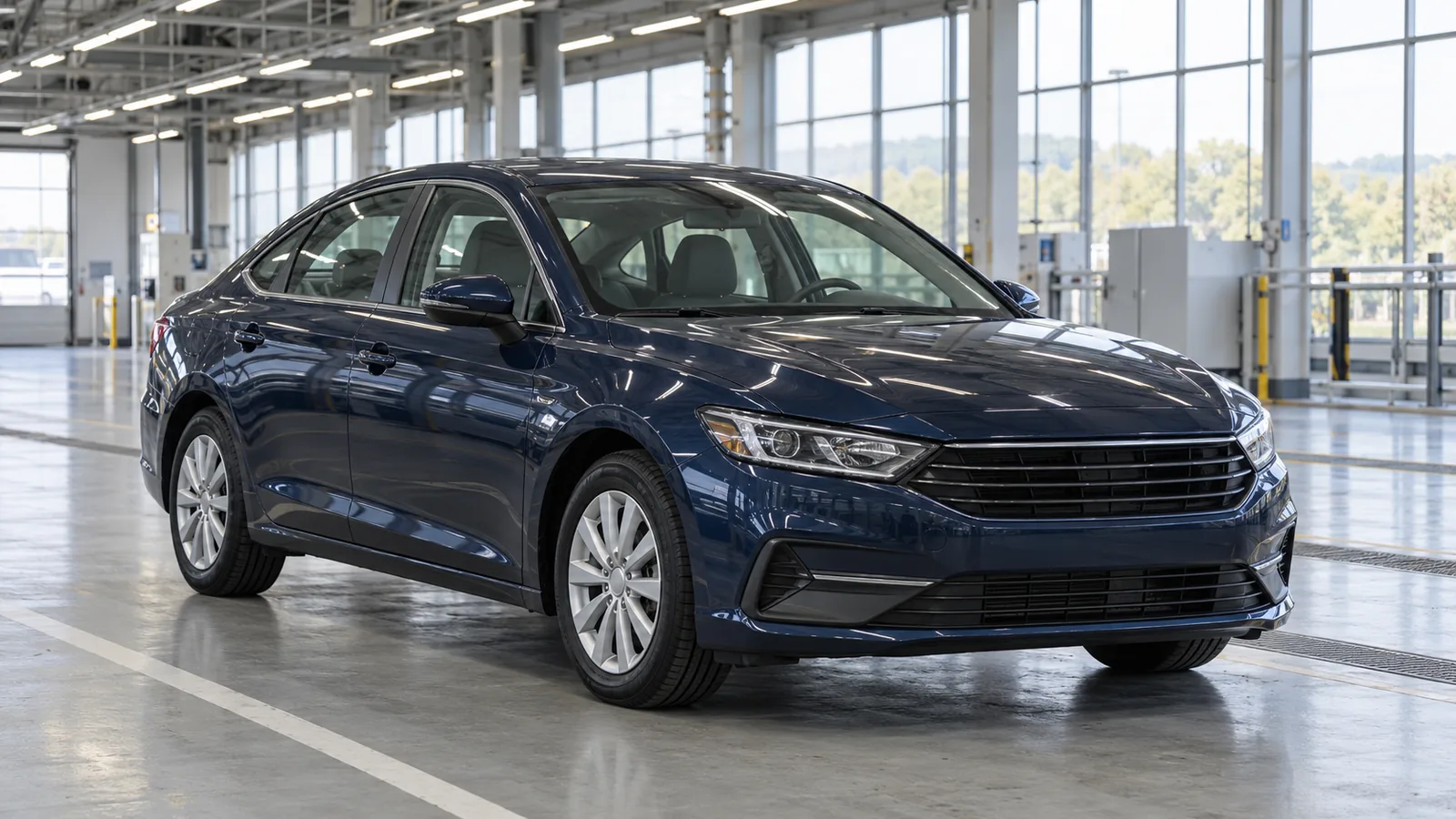
Cover: AI-generated illustration of a generic unbranded sporty liftback, not an actual Škoda Octavia RS or an official vehicle photograph.

What the published boot capacity tells you

In its 4 September 2026 India announcement, Škoda lists a 600-litre boot, expandable to 1,555 litres, and an electrically operated boot with a virtual pedal. These are official specifications, not a measurement of how your own luggage will fit.

Bring the bags, stroller or equipment you actually carry to a showroom demonstration. Check the loading opening, the effort needed to lift an item into the compartment and how much usable space remains with your normal passenger arrangement. Ask the dealer to demonstrate the configuration behind the expanded-capacity figure before using it to plan a trip.

Set the budget before arranging the visit: Use AutoCred's eligibility checker to check an indicative eligible amount and estimated EMI before shortlisting or visiting a dealer. Results are indicative; final eligibility, rate, tenure and approval depend on the lender.

Check the wheel and chassis specification against your route

The September announcement specifies 19-inch wheels with 225/40 R19 tyres. The model page also identifies sports suspension and progressive steering.

Those details make a representative test route useful. Include the access road, parking ramp and surface changes you encounter regularly, where a demonstration is permitted. Judge comfort yourself, and request a written replacement-tyre quotation and applicable service information. This avoids assuming that a sportier specification will feel right on every commute or cost the same to maintain as a different wheel-and-tyre package.

Does the earlier limited batch mean stock is available now?

No current availability should be inferred from that announcement. Škoda announced a second India batch of 50 units on 4 September 2026; that historical allocation does not establish how many remain today. The linked release is context for the model, rather than evidence of an open booking window or a fresh launch this week.

Ask an authorised dealer to confirm allocation, the offered vehicle's specification, the current itemised quotation and expected delivery in writing. Check any payment and cancellation terms before committing. If no allocation is available, treat the specification comparison as research rather than a reason to pay against an uncertain delivery promise.

Check affordability alongside everyday suitability

Check your car-loan eligibility with AutoCred for an indicative eligible amount and estimated EMI before shortlisting or visiting a dealer. Compare that estimate with the confirmed quotation, your down payment and an ownership-cost allowance. Results are indicative; final eligibility, rate, tenure and approval depend on the lender.

Read more
Oct 20, 2026

Hyundai–Kia E-FOREST 2026: Software-Defined Factory Strategy

Hyundai and Kia's latest manufacturing announcement puts factory software and inspection technology at the centre of a competitiveness strategy. The aim is to connect production information with tools that can be adapted across sites, rather than add a new feature to the car's infotainment screen.

What E-FOREST TECH DAY 2026 is intended to show

In an official announcement dated 18 October 2026, Hyundai Motor and Kia scheduled E-FOREST TECH DAY for 19–21 October at their Uiwang Research Institute in South Korea. They said approximately 200 new manufacturing technologies would be presented across factory-software foundations, automation, energy solutions and future mobility.

This is a technology-sharing and manufacturing-strategy announcement. The exhibition's technology count is not a count of systems already installed at every plant, and the release does not establish a deployment timetable for a particular Indian factory.

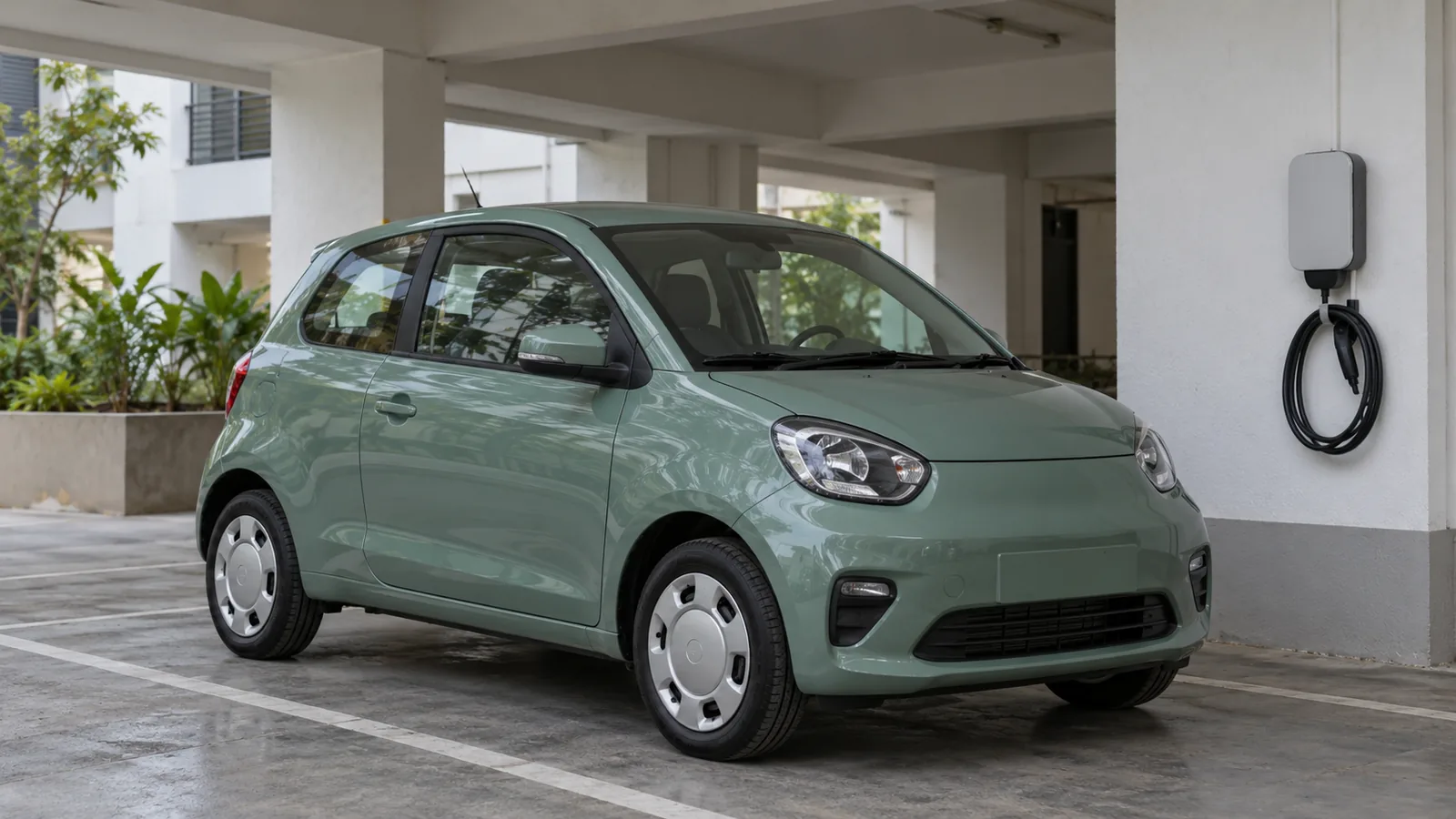
Cover: AI-generated illustration of a generic unbranded sedan in an inspection hall, not a Hyundai or Kia model or an actual E-FOREST facility.

Why a common factory-data foundation matters

The companies describe work on a shared framework for collecting and managing data, together with a common environment for developing factory solutions. Their stated direction is to make site-specific tools easier to develop and roll out using standardised foundations.

AutoCred's interpretation is that the important business question is repeatability. A useful solution at one site becomes more valuable if another can adopt it without rebuilding the underlying approach. That still requires implementation, reliable information and validation against the receiving factory's needs; a common framework alone does not demonstrate a measured productivity gain.

Digital twins and inspection are the concrete examples

The release identifies digital twins for simulating real factory equipment, factory-focused AI agents and an in-house tunnel-type exterior inspection technology. It describes planned application of the inspection technology at plants in Korea and overseas.

These examples address different tasks. Simulating a production change can inform planning; retrieving manufacturing knowledge can support staff; inspection tools can support checks on finished vehicles. Evaluating the strategy therefore needs evidence for each task, rather than treating every software or automation demonstration as the same kind of improvement.

Keep manufacturing news in perspective when budgeting: Use AutoCred's eligibility checker for an indicative eligible amount and estimated EMI before shortlisting a car or visiting a dealer. Results are indicative; final eligibility, rate, tenure and approval depend on the lender.

From demonstration to sustained factory use

The next useful evidence would be named production applications, the scope of implementation and consistently reported outcomes. An announced intention to expand a technology is different from a completed rollout. The release provides no basis for calculating a reduction in defects, a saving per vehicle or a change in Indian retail prices.

A practical way to follow the development is to ask whether the tools become part of normal production work, how their results are checked and whether the approach travels successfully between sites. Those questions connect an exhibition to business performance without assuming its commercial result in advance.

What an Indian buyer should use today

This is relevant industry context, but a purchase should still be assessed using the actual model's specification, applicable safety information, warranty, service support and written quotation. Factory software should not be confused with a confirmed software update or additional equipment for the vehicle you are buying.

Check affordability before finalising the shortlist

Check your car-loan eligibility with AutoCred for an indicative eligible amount and estimated EMI before shortlisting or visiting a dealer. Compare the estimate with your down payment, quotation and running-cost budget. Results are indicative; final eligibility, rate, tenure and approval depend on the lender.

Read more
Oct 20, 2026

MG Comet EV FC: AC Charging Times and Home-Wallbox Checks

For an MG Comet EV buyer, the FC badge should trigger a practical charging conversation. The useful comparison is between the car's AC charging capability, the wallbox available at your parking space and the time you normally leave the car plugged in.

What FC means on the MG Comet EV

MG's current India product page lists AC fast-charging capability on the Excite FC and Exclusive FC. It specifies a Type 2 charging connection. These are AC charging figures; they should not be read as a promise of the DC charging times advertised for some other electric cars.

Choose the exact variant before comparing charging claims. The presence of a connector at your destination is not enough information on its own: confirm compatibility, available output and whether you can use the space for the required duration.

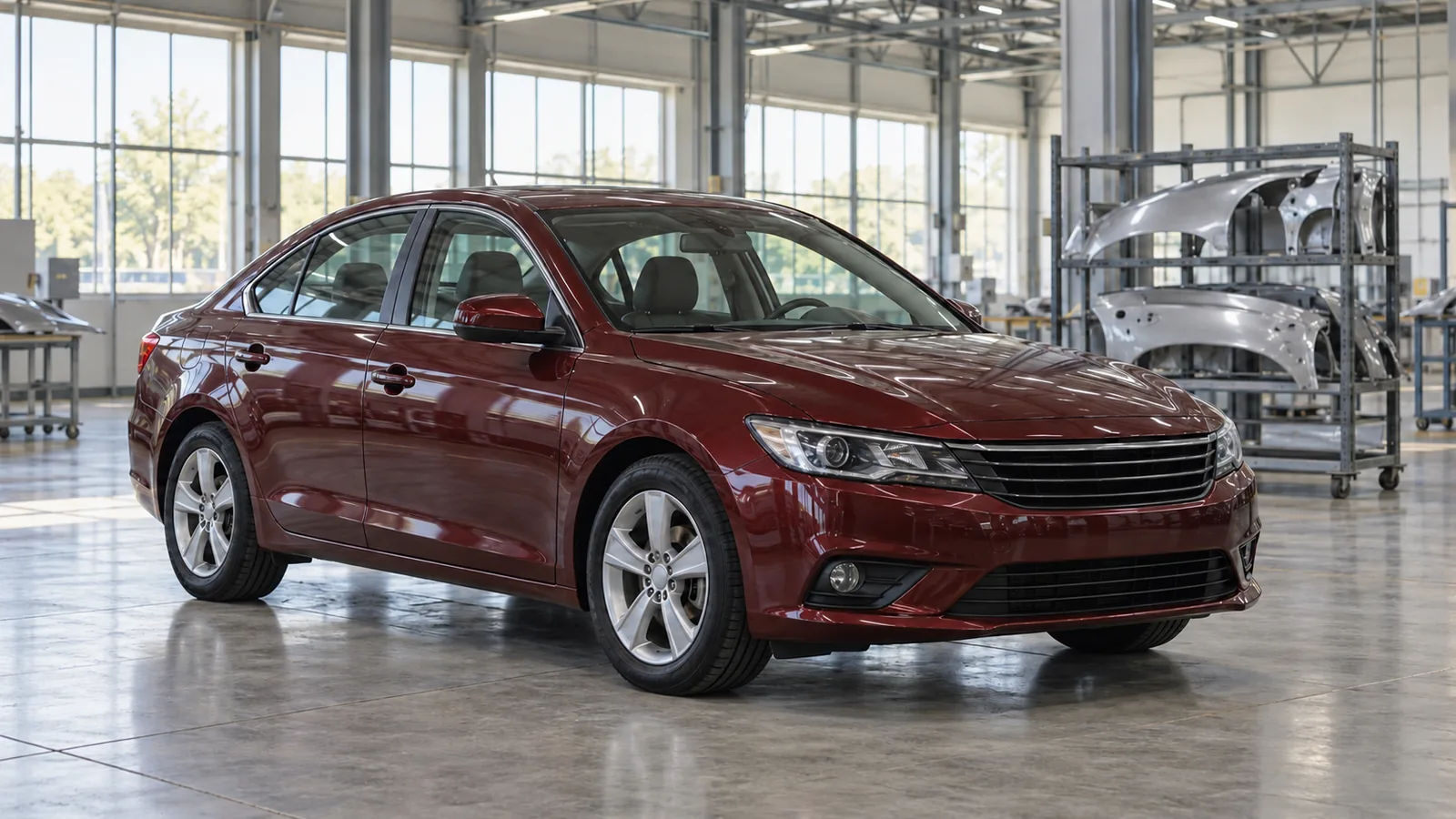
Cover: AI-generated illustration of a generic unbranded city hatchback beside a stowed wallbox cable in an Indian parking bay. It does not depict the MG Comet or an official charging installation.

Compare charging times using the same battery window

The currently linked official Comet brochure gives these estimated full-charge times:

AC charging specificationBattery windowEstimated time
3.3 kW0–100%7 hours
7.4 kW, FC variants only0–100%3.5 hours

The brochure qualifies these estimates by battery condition, charger specification and ambient temperature. They are planning references, rather than a guarantee for every charging session. Comparing a full-charge estimate with another car's partial-charge figure would obscure an important difference.

Does buying an FC variant include a 7.4 kW wallbox?

Do not assume that vehicle capability establishes the charger supplied. The brochure's pricing footnote, effective 1 July 2026, refers to a 3.3 kW wallbox and standard installation subject to terms. Confirm the current package, any upgrade and the applicable installation scope in your written quotation.

AutoCred's advice is to arrange the charging-site assessment before treating an FC upgrade as a solution. Ask the approved installer to confirm the property's suitability, the proposed equipment and any additional work. In shared parking, settle access and permissions as part of the purchase decision.

Budget for the complete setup: Check an indicative eligible amount and estimated EMI with AutoCred's eligibility checker before shortlisting a Comet variant or visiting a dealer. Results are indicative; final eligibility, rate, tenure and approval depend on the lender.

Which charging arrangement suits your routine?

Start with when the car returns home, when it must leave again and how dependable your parking access is. A shorter charging window may make the higher-capability arrangement worth considering. Longer, predictable parking periods may change the balance, depending on your actual usage.

Ask for a demonstration of the charging controls and an explanation of the applicable operating instructions. Compare the complete vehicle-and-installation quotation, rather than paying for a feature whose benefit your current charging setup cannot establish.

Check affordability before finalising the variant

Check your car-loan eligibility with AutoCred for an indicative eligible amount and estimated EMI before shortlisting or visiting a dealer. Use it alongside your down payment and itemised vehicle, charger and installation costs. Results are indicative; final eligibility, rate, tenure and approval depend on the lender.

Read more
Oct 19, 2026

Gestamp's India Expansion: What the Gujarat Plant Adds

A supplier's expansion can reveal a different side of the Indian car market from a monthly sales chart. Gestamp's Gujarat investment is a case in point: the focus is the local manufacture of engineered metal components that automakers use, rather than another vehicle assembly plant.

This analysis uses Gestamp's official India expansion announcement of 11 September 2026. It provides a concrete basis for assessing the company's manufacturing strategy without assuming that a new facility immediately changes retail prices or delivery times.

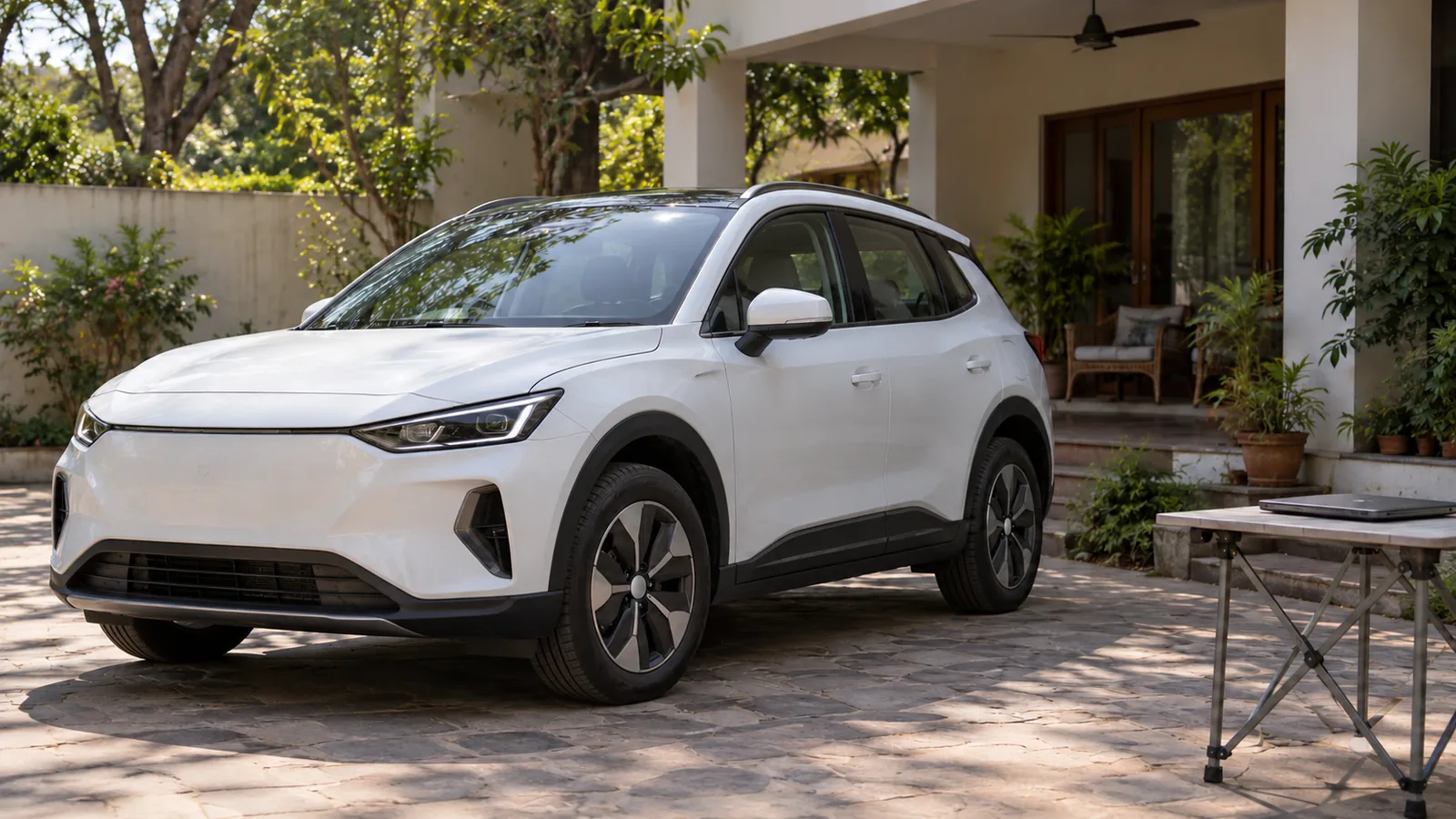
Cover: AI-generated illustration of a generic unbranded sedan in a body-component inspection hall, not an actual Gestamp plant or a specific manufacturer's vehicle.

What Gestamp's Bhagapura plant adds

Gestamp described Bhagapura, Gujarat, as its fifth production facility in India. The announced project investment is €47.4 million across phases one and two. The facility provides 31,790 square metres of manufacturing space, with two hot-stamping lines, a laser-cutting line and welding cells.

The company's release says its initial focus is highly engineered body-in-white components and that it is equipped for the Ges-Gigastamping product family. Manufacturing space is a floor-area measure; it should not be presented as an annual vehicle-production capacity.

Why local component capability matters to the strategy

AutoCred's interpretation is that a component supplier competes partly on its ability to support an automaker's production requirements. A wider local manufacturing footprint can give it another location from which to pursue programmes and coordinate with customers. The commercial value still depends on the work won and the consistency of delivery.

That makes the equipment mix more informative than a plant count alone. The relevant questions are what products the facility can manufacture, which programmes adopt them and how the operation develops after opening. An inauguration establishes a milestone, rather than a complete account of future utilisation or financial returns.

Translate market research into a workable buying budget: Use AutoCred's eligibility checker to check an indicative eligible amount and estimated EMI before shortlisting a car or visiting a dealer. Results are indicative; final eligibility, rate, tenure and approval depend on the lender.

The revenue baseline predates the Gujarat opening

In the September announcement, Gestamp reported India revenue of €245 million for 2025, more than 80% higher over the preceding five full financial years. That is historical business performance, not revenue generated by the subsequently inaugurated Gujarat facility.

Keeping the sequence clear avoids overstating the new plant's contribution. The expansion shows a decision to add capability; assessing the result will require later operating and financial disclosures. The total project investment across phases should also be distinguished from a claim that every planned euro has already been spent.

What the development means for a car buyer

A component supplier's manufacturing announcement is useful industry context, but it does not identify every car or variant using its products. Nor does a description of component technology establish a crash-test result for a finished vehicle.

Buyers should continue comparing the actual model's specification, applicable safety assessment, service support and itemised on-road quotation. There is no basis in this announcement alone for promising a cheaper car, a shorter waiting period or a particular ownership outcome.

The useful market signal is a supplier committing to specialised local capability. Follow-through will be demonstrated through customer programmes and reported performance, rather than assumptions about immediate retail benefits.

Check affordability before visiting the showroom

Check your car-loan eligibility with AutoCred for an indicative eligible amount and estimated EMI before shortlisting or visiting a dealer. Use the estimate alongside your down payment, quotation and running-cost budget. Results are indicative; final eligibility, rate, tenure and approval depend on the lender.

Read more
Oct 19, 2026

Hyundai Ioniq 5 V2L India: 3.6 kW Power and Buyer Checks

The Hyundai Ioniq 5's Vehicle-to-Load feature adds a useful question to an electric-car shortlist: can the car also supply power to the devices you carry? Before treating that as a reason to buy, check the available connections, output limit and how the intended use fits your driving plans.

What Ioniq 5 V2L provides in India

Hyundai's current India convenience page lists V2L inside and outside the vehicle. It describes an onboard socket at the back seat and an external arrangement using a converter connected to the exterior socket. The advertised V2L output is up to 3.6 kW.

For a buyer, these are different ways to access the feature. Ask the dealer to show the actual interior socket and the approved external converter, and confirm which equipment is included in the quotation. Do not assume a separate output allowance for each connection simply because both are listed.

Cover: AI-generated illustration of a generic unbranded electric crossover and portable work setup in an Indian courtyard. It does not depict the Hyundai Ioniq 5, an official Hyundai design or a demonstrated electrical connection.

3.6 kW output and 84 kWh battery capacity mean different things

The currently linked official India brochure repeats the maximum V2L output of 3.6 kW and lists an 84 kWh battery. Kilowatts describe power; kilowatt-hours describe an amount of energy. The battery-capacity figure is not a promise of a particular appliance runtime.

AutoCred's practical advice is to start with the devices you actually intend to use. Check their requirements with the dealer against the vehicle manual, rather than assuming anything that physically plugs in is suitable. Ask how operating limits, battery level and the intended environment affect the approved use.

Keep your onward journey in the plan

Supplying electricity to devices uses energy that also matters to your driving plans. Discuss the applicable battery-reserve settings or restrictions with the dealer and ask for a demonstration of the relevant controls. Plan the next charging opportunity alongside the activity for which you want portable power.

Check the car budget before adding lifestyle extras: Use AutoCred's eligibility checker for an indicative eligible amount and estimated EMI before shortlisting an Ioniq 5 or visiting a dealer. Results are indicative; final eligibility, rate, tenure and approval depend on the lender.

Questions to settle during the showroom demonstration

Ask the representative to show how the interior and exterior V2L arrangements are enabled and stopped, what equipment each requires and where the instructions appear in the owner's manual. Confirm accessory supply, replacement availability and any applicable warranty terms in writing.

Describe the intended use clearly, whether that is portable work equipment or devices taken on a day out. The feature listing does not establish a whole-home backup installation. Any proposed use should match Hyundai's approved equipment and instructions, rather than assumptions based on an unrelated vehicle or an overseas demonstration.

How much should V2L influence the buying decision?

V2L is most relevant when it solves a recurring need you can explain. If it would be used only occasionally, compare its value with the car's everyday fit: charging access, driving comfort, passenger needs, service support and the complete purchase quotation.

A useful demonstration should leave you understanding both the convenience and the conditions. That is a stronger basis for choosing the car than an imagined runtime or a claim that the feature replaces every other power source.

Build an affordable electric-car shortlist

Check your car-loan eligibility with AutoCred for an indicative eligible amount and estimated EMI before shortlisting or visiting a dealer. Compare it with your down payment and itemised vehicle, charging and accessory costs. Results are indicative; final eligibility, rate, tenure and approval depend on the lender.

Read more