Toyota's Made with Europe Proposal: Why Local Content Matters
Toyota is making the case for a broader definition of automotive localisation in Europe. Its 16 October 2026 statement asks policymakers to recognise engineering, research, assembly and trusted international partnerships when shaping industrial rules. The strategy offers a useful way to understand why a car's manufacturing footprint involves more than the country where final assembly takes place.
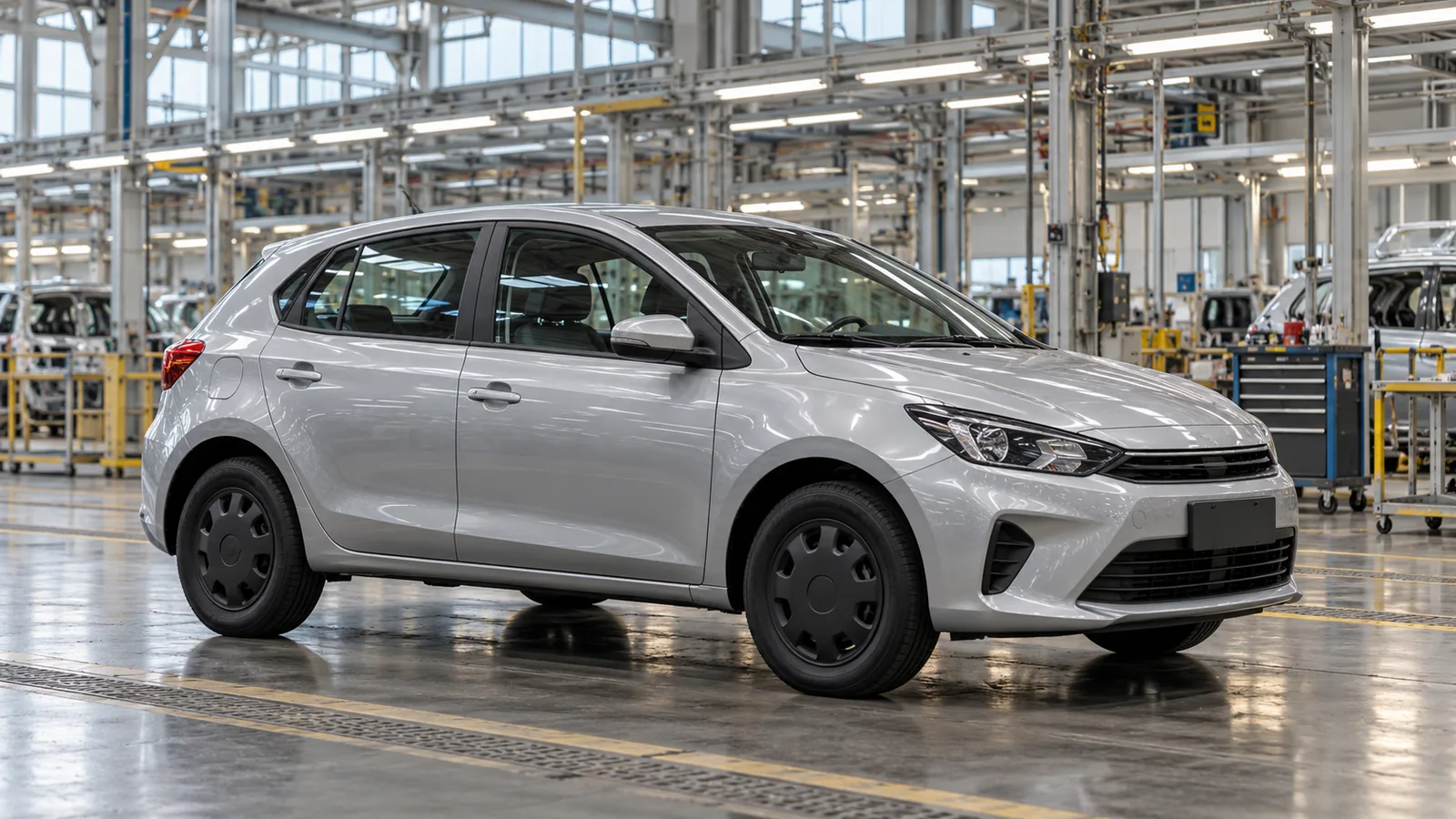
Cover illustration: an AI-generated photograph-style view of a generic hatchback in an assembly inspection lane. It does not show a Toyota vehicle or an official Toyota factory.
What is Toyota asking for under Made with Europe?
Toyota wants a framework that recognises selected reciprocal trade and customs-union partners, including the UK, Türkiye and Japan. It proposes phasing European-content requirements towards 70% after three years, measured using ex-works vehicle value and recognising engineering, R&D and final assembly. It also asks that substantive automotive requirements should not apply before 2030. Source: Toyota's industrial-policy requests.
These are the manufacturer's proposals. The statement does not establish that policymakers have adopted them. Keeping that distinction clear matters when assessing how a company is trying to influence its future operating environment.
Why does the definition of local content matter?
Consider the difference between a brand's nationality, a vehicle's assembly location and the value created across its development and supply chain. Those labels answer different questions. Toyota's position is that a policy focused narrowly on assembly or parts origin can miss other contributions to an industrial ecosystem.
Our interpretation is that the company is defending flexibility in how it combines its engineering and manufacturing resources. For market watchers, the issue is how a proposed rule would count that activity, which operations could qualify and how much time suppliers would have to adapt. A localisation headline alone cannot answer those questions.
How does this fit Toyota's powertrain strategy?
The same statement calls for technology-neutral, achievable CO₂ rules and flexibility that reflects customer demand and infrastructure development. Source: Toyota's position on emissions-policy design. This explains the manufacturer's policy preference; it does not prove that any particular powertrain will achieve a given sales outcome.
When judging the commercial strategy, separate the requested regulatory framework from subsequent execution. Evidence of investment, product availability, customer adoption and financial performance would help show whether flexibility produces results. A policy statement is a starting point for that assessment rather than a substitute for it.
What should Indian car buyers take from the debate?
The release concerns European and UK policy. It does not announce a change to an Indian model's price, specification or eligibility for an incentive. For an Indian purchase, use the applicable local product documents and a current dealer quotation.
The broader lesson is to ask precise questions about manufacturing claims. Establish where the selected vehicle is assembled, what its documented specification includes and what support the manufacturer offers for that model. Do not treat an international brand name or a broad localisation claim as a complete description of the ownership experience.
What would show whether the proposal changes the market?
Follow the final policy text, its implementation timetable and the manufacturer's subsequent operational decisions. Until those are clear, any prediction of cheaper cars, a specific factory allocation or a new India launch would go beyond this announcement.
Prepare your shortlist: check your indicative eligible amount and estimated EMI with AutoCred before your dealer visit. Results are indicative; final eligibility, rate, tenure and approval depend on the lender.