Hyundai Ioniq 5 V2L India: 3.6 kW Power and Buyer Checks
The Hyundai Ioniq 5's Vehicle-to-Load feature adds a useful question to an electric-car shortlist: can the car also supply power to the devices you carry? Before treating that as a reason to buy, check the available connections, output limit and how the intended use fits your driving plans.
What Ioniq 5 V2L provides in India
Hyundai's current India convenience page lists V2L inside and outside the vehicle. It describes an onboard socket at the back seat and an external arrangement using a converter connected to the exterior socket. The advertised V2L output is up to 3.6 kW.
For a buyer, these are different ways to access the feature. Ask the dealer to show the actual interior socket and the approved external converter, and confirm which equipment is included in the quotation. Do not assume a separate output allowance for each connection simply because both are listed.
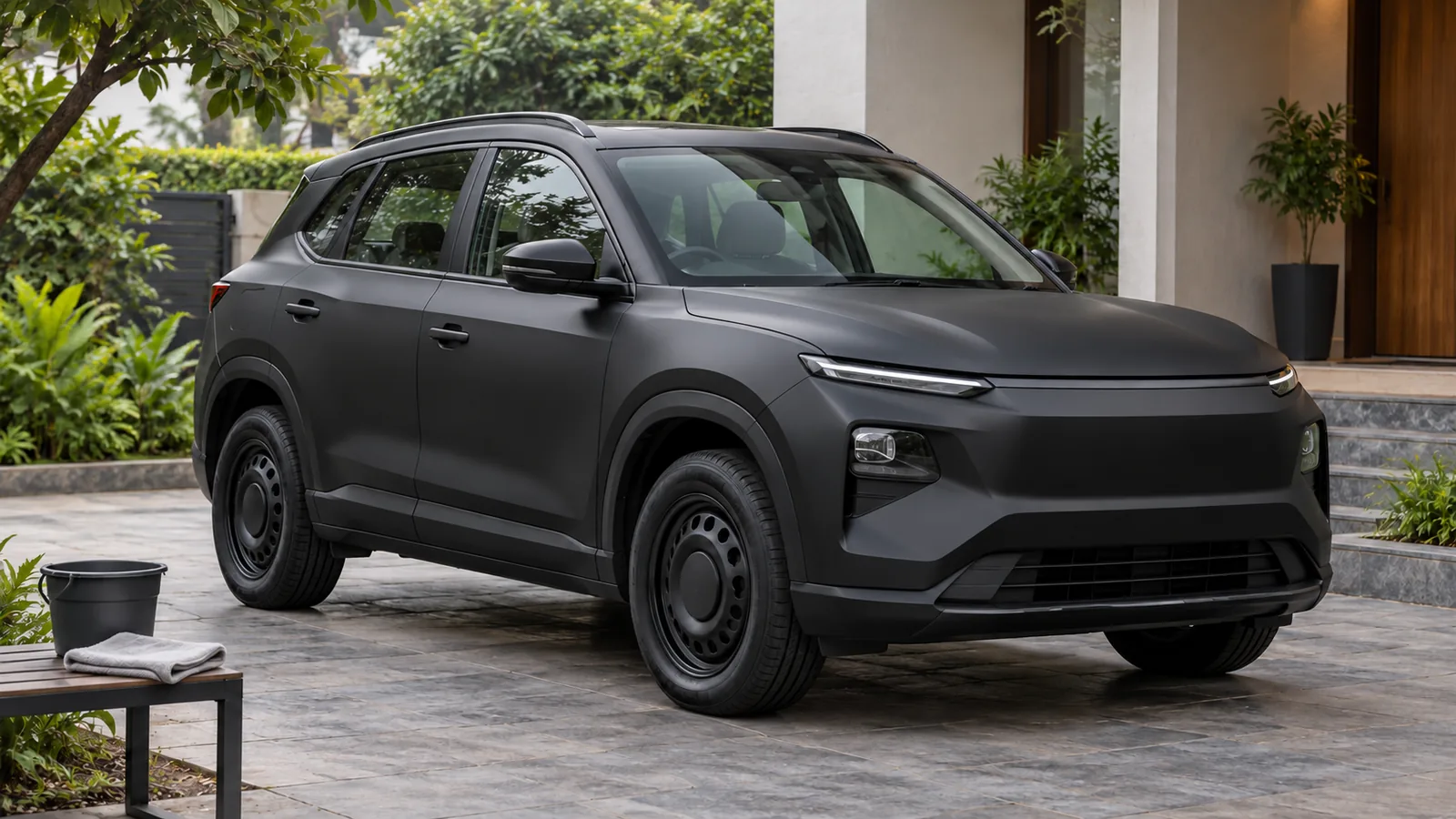
Cover: AI-generated illustration of a generic unbranded electric crossover and portable work setup in an Indian courtyard. It does not depict the Hyundai Ioniq 5, an official Hyundai design or a demonstrated electrical connection.
3.6 kW output and 84 kWh battery capacity mean different things
The currently linked official India brochure repeats the maximum V2L output of 3.6 kW and lists an 84 kWh battery. Kilowatts describe power; kilowatt-hours describe an amount of energy. The battery-capacity figure is not a promise of a particular appliance runtime.
AutoCred's practical advice is to start with the devices you actually intend to use. Check their requirements with the dealer against the vehicle manual, rather than assuming anything that physically plugs in is suitable. Ask how operating limits, battery level and the intended environment affect the approved use.
Keep your onward journey in the plan
Supplying electricity to devices uses energy that also matters to your driving plans. Discuss the applicable battery-reserve settings or restrictions with the dealer and ask for a demonstration of the relevant controls. Plan the next charging opportunity alongside the activity for which you want portable power.
Check the car budget before adding lifestyle extras: Use AutoCred's eligibility checker for an indicative eligible amount and estimated EMI before shortlisting an Ioniq 5 or visiting a dealer. Results are indicative; final eligibility, rate, tenure and approval depend on the lender.
Questions to settle during the showroom demonstration
Ask the representative to show how the interior and exterior V2L arrangements are enabled and stopped, what equipment each requires and where the instructions appear in the owner's manual. Confirm accessory supply, replacement availability and any applicable warranty terms in writing.
Describe the intended use clearly, whether that is portable work equipment or devices taken on a day out. The feature listing does not establish a whole-home backup installation. Any proposed use should match Hyundai's approved equipment and instructions, rather than assumptions based on an unrelated vehicle or an overseas demonstration.
How much should V2L influence the buying decision?
V2L is most relevant when it solves a recurring need you can explain. If it would be used only occasionally, compare its value with the car's everyday fit: charging access, driving comfort, passenger needs, service support and the complete purchase quotation.
A useful demonstration should leave you understanding both the convenience and the conditions. That is a stronger basis for choosing the car than an imagined runtime or a claim that the feature replaces every other power source.
Build an affordable electric-car shortlist
Check your car-loan eligibility with AutoCred for an indicative eligible amount and estimated EMI before shortlisting or visiting a dealer. Compare it with your down payment and itemised vehicle, charging and accessory costs. Results are indicative; final eligibility, rate, tenure and approval depend on the lender.