FORVIA–ANAND Seating JV: What It Means for India's Car Market
India's car market is shaped by the suppliers behind the cabin as well as the brands on the bonnet. FORVIA's seating agreement with ANAND Group offers a useful example of how an automotive supplier plans to expand through local partnerships. The question for buyers is how to read that strategy without assuming that an announced venture immediately changes the cars in showrooms.
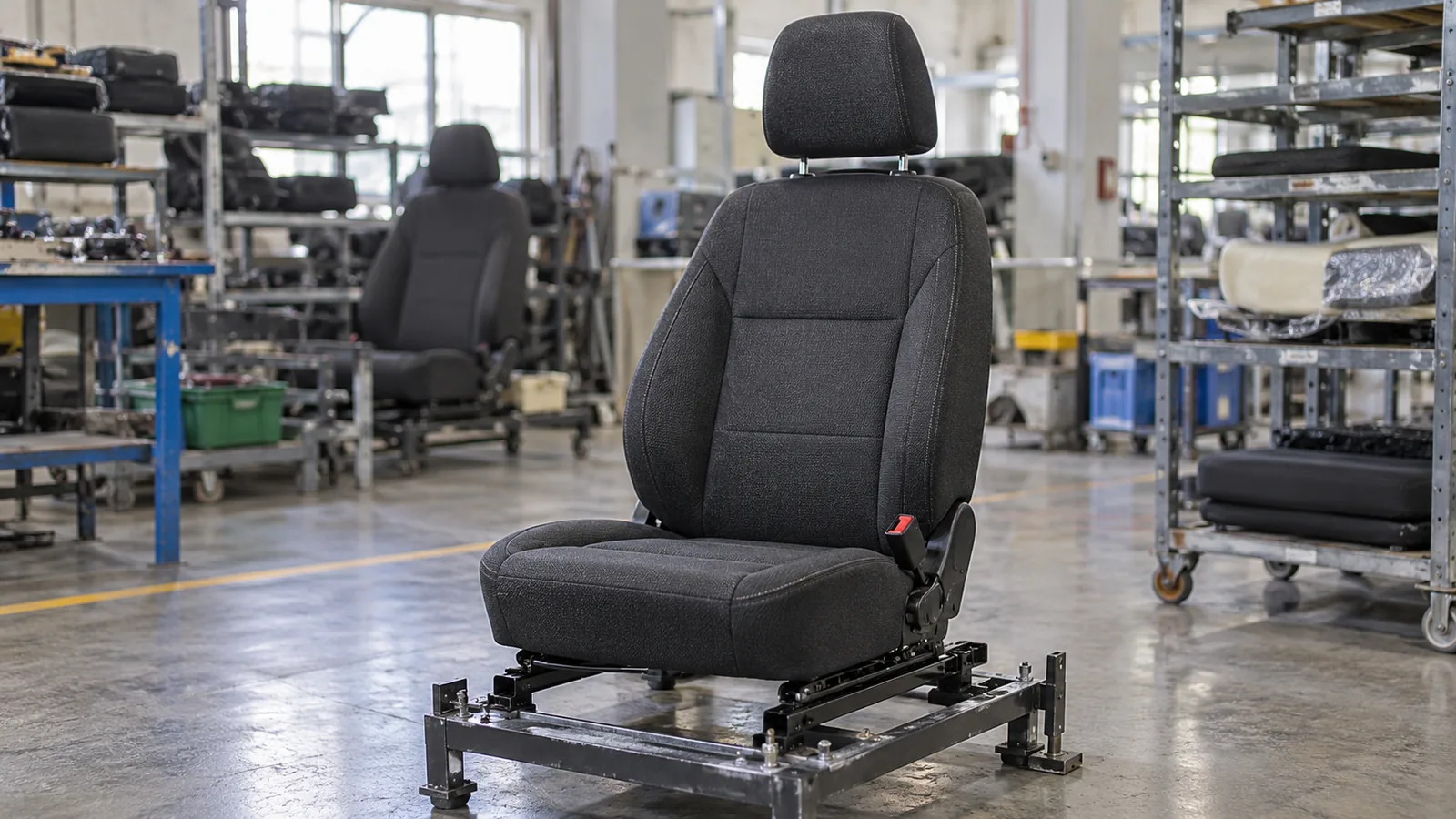
Cover illustration: an AI-generated photograph-style view of a generic automotive seat in a workshop. It does not show a FORVIA or Gabriel product, factory or customer programme.
What does the FORVIA–ANAND seating agreement confirm?
In its 6 October 2026 official release, FORVIA announced a joint-venture agreement with ANAND Group covering seat frames and complete seats. The proposed entity is Faurecia Anand Seating India Private Limited. FORVIA would control it with 50% plus one share; Gabriel India, ANAND's flagship company, would hold 50% less one share.
The release sets out an ambition for FORVIA Seating to reach approximately 10% of India's seating market within five years. It expects the transaction to close by the end of 2026, subject to customary conditions and applicable regulatory approvals. These are targets and a conditional timetable, rather than achieved market share or confirmation of completion. Source: FORVIA, pages 1–2.
Why a local partner matters to the growth strategy
FORVIA says the partnership brings its seating technology and engineering capabilities together with ANAND's local customer relationships and industrial knowledge. Source: official agreement announcement. Our reading is that access to carmakers is central to the strategy: technical capability needs to translate into customer programmes before it becomes a larger business.
That makes the next useful evidence programme awards, production readiness and delivery execution. An ownership agreement explains who will run a business. It does not establish how many seats it will supply, which vehicles will use them or how quickly revenue will follow. Tracking those milestones gives a clearer view of performance than treating the market-share ambition as a forecast already secured.
What should car buyers expect from the announcement?
For a shopper, this is a supply-chain development to watch. It is not a reason to assume that a particular upcoming car will receive a specific seat design. Wait for the vehicle manufacturer's own model and variant information before expecting ventilation, powered adjustment, different upholstery or a revised seating layout.
During a showroom visit, assess the actual seat rather than relying on a supplier's reputation. Check thigh support, backrest comfort and whether the driving position lets you reach the controls comfortably. Rear passengers should try the bench with the front seats adjusted for the people who normally use them. Comfort is personal, so include regular passengers in that assessment.
How to judge whether the strategy is delivering
Look for confirmed completion of the transaction, named customer programmes where disclosed, and subsequent evidence of manufacturing progress. Keep those operating milestones separate from consumer outcomes: a supplier partnership alone cannot establish a lower vehicle price, a better safety rating or shorter delivery times.
For buyers choosing a car now, compare the documented equipment, comfort and ownership terms of the variants actually available. For anyone following India's automotive industry, the venture provides a concrete case to track as a seating growth strategy moves towards execution.
Plan before visiting the dealer: check your indicative eligible amount and estimated EMI with AutoCred alongside your shortlist. Results are indicative; final eligibility, rate, tenure and approval depend on the lender.