Stellantis Q3 2026: India Growth Helps Offset Asia-Pacific Decline
India stands out as a positive contributor in Stellantis's latest shipment update, even though its wider region contracted. The official release dated 13 October 2026 offers a useful view of where product activity is supporting volumes. For Indian car buyers, its value lies in understanding that direction while keeping regional business figures separate from the stock, equipment and support available at their own dealership.
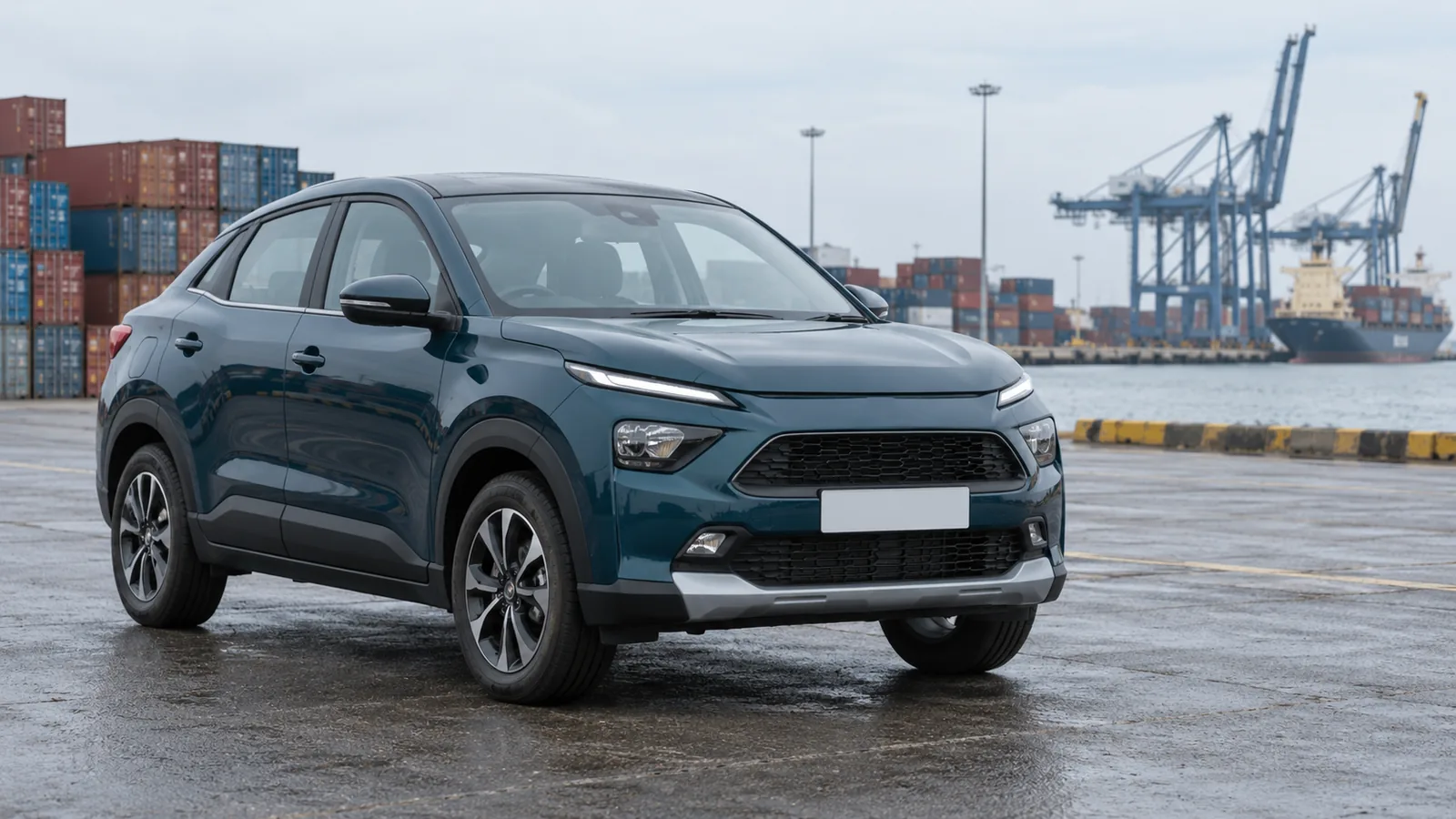
Cover illustration: an AI-generated generic, unbranded crossover in an Indian port setting. It does not depict an official Stellantis vehicle, facility or shipment.
What the Q3 shipment figures show
Stellantis estimated Q3 2026 worldwide consolidated shipments at 1.286 million vehicles, down 1% year on year. Asia-Pacific shipments were about 15,000, down 6%. Higher Indian volumes, including Smart Car vehicles, partly offset weakness mainly in Japan. India figures were not separately disclosed. Source: Stellantis Q3 shipment estimates.
The useful conclusion is therefore directional: India contributed growth within a declining region. The regional percentage cannot be assigned to India, nor can the regional total be presented as Indian sales. A country can perform better than the aggregate when another market weighs on it.
Why the Smart Car platform matters
Smart Car products also contributed to growth in Enlarged Europe, with Citroën C3 and C3 Aircross among the nameplates highlighted. This European performance is separate from India's contribution. Source: the official regional commentary.
AutoCred's interpretation is that the product platform deserves attention alongside the headline group total. It gives readers a more concrete question to follow: are newer products and refreshed line-ups creating demand where they are sold? However, a shared platform does not establish identical engines, safety equipment, specifications or prices across countries. The Indian brochure and order form remain the reference for a local purchase.
Shipments are different from buyer registrations
The metric covers new vehicles invoiced to dealers, importers or final customers by consolidated subsidiaries. Estimates are unaudited and may change. Source: the official methodology note.
That distinction matters when judging momentum. An invoiced vehicle is not necessarily a car newly registered to an Indian retail owner. A shipment update alone cannot establish local market share, dealer inventory days or the waiting period for a particular colour and trim. Those need evidence measured on the same basis.
What an Indian buyer should check next
Use the business update as background, then bring the decision back to the car you can order. Ask the dealer to identify the exact variant, manufacturing month, equipment and available vehicle. Request a written delivery estimate with the allocation status, rather than inferring immediate availability from a group shipment headline.
Compare an itemised on-road quotation with your intended down payment and monthly budget. Discuss warranty coverage, the nearest authorised workshop and access to routine service before accepting an attractive purchase offer. A broader platform story can be encouraging, but it cannot replace these ownership checks.
The next useful evidence would be country-level retail or shipment disclosures and model-specific updates. Until then, India's positive contribution is meaningful without needing an invented growth rate or a prediction about discounts.
Choose the car and the repayment plan together
Use AutoCred's car loan eligibility checker to check an indicative eligible amount and estimated EMI before shortlisting or your dealer visit. Keep room in your budget for insurance, maintenance and other ownership costs. Results are indicative; final eligibility, rate, tenure and approval depend on the lender.