New & Upcoming Cars

Oct 19, 2026

Volkswagen Tayron Life vs R-Line: Cameras and Parking Tech

Parking equipment deserves a proper demonstration when you are shortlisting a large SUV. A shared assistance-system name does not necessarily mean two versions provide the same camera view. For Volkswagen Tayron buyers, that distinction is particularly useful when comparing the Life and R-Line.

This guide checks the two versions against Volkswagen's current India model page and its currently linked brochure. The aim is to turn the equipment list into practical questions for a showroom visit, rather than judge the car from a feature count alone.

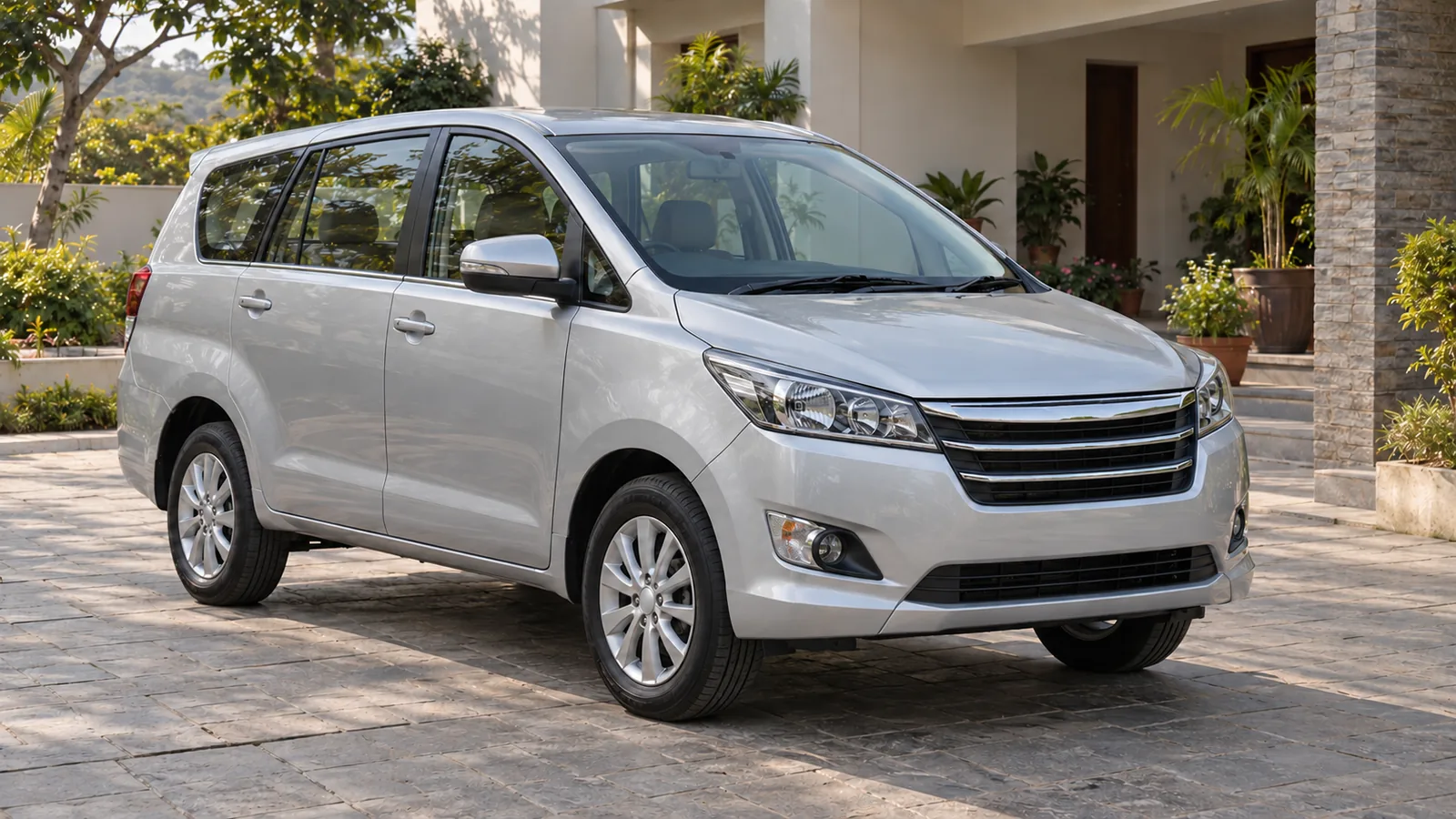
Cover: AI-generated illustration of a generic unbranded crossover in an Indian residential parking bay. It does not depict the Volkswagen Tayron or an official Volkswagen design.

Tayron Life vs R-Line: the camera and parking equipment

The driver-assistance table in the current official India brochure makes these distinctions:

EquipmentTayron LifeTayron R-Line
Park Assist Plus with Park Distance ControlListedListed
Camera equipmentRear-view camera with dynamic guidelines360° Area View, including rear-view camera with dynamic guidelines
Rear Traffic Alert and Exit WarningBoth listedBoth listed

The buying implication is straightforward: do not assume the Life includes the R-Line's Area View system merely because both list Park Assist Plus. Conversely, the camera difference should not be read as the absence of the shared parking-assistance entry on Life.

Ask what Park Assist Plus requires from the driver

The brochure confirms equipment availability, but an availability table is not an operating manual. Ask the dealership to demonstrate the system fitted to the exact version you are considering, explain the required driver inputs and show how to cancel an assisted manoeuvre.

AutoCred's advice is to compare how understandable the process feels from the driving seat. Can you identify the relevant controls and prompts? Is the display easy to read from your preferred seating position? Do not infer an autonomous-parking capability or an obstacle-detection guarantee from the feature name.

Budget for the equipment you will use: Check an indicative eligible amount and estimated EMI with AutoCred's eligibility checker before shortlisting a Tayron version or visiting a dealer. Results are indicative; final eligibility, rate, tenure and approval depend on the lender.

Check the SUV's physical fit in your parking space

The brochure's technical table lists a length of 4,792 mm and a turning radius of 6.05 metres for both versions. The latter is a radius, not a turning-circle diameter.

These figures are a starting point for a fit check. Measure your bay and approach, including pillars, gate openings and the space needed to open the doors. Ask for the applicable overall width with mirrors in the position you intend to use. A camera package does not change the physical space available around the vehicle.

Compare camera usefulness in the conditions you expect

During a supervised demonstration, compare the available views, screen clarity and how easily you can relate the image to the vehicle's surroundings. Explain whether your usual parking involves a narrow driveway, a basement bay or roadside spaces, and ask the dealer to discuss the relevant limitations using the vehicle's manual.

Choose the version whose equipment, visibility and physical fit meet your needs. Evaluate the camera difference alongside the rest of the specification and an itemised quotation; it should be a considered part of the buying decision, rather than the only reason to upgrade.

Check affordability before finalising your Tayron shortlist

Check your car-loan eligibility with AutoCred for an indicative eligible amount and estimated EMI before shortlisting or visiting a dealer. Compare the estimate with your down payment, quotation and running-cost budget. Results are indicative; final eligibility, rate, tenure and approval depend on the lender.

Read more
Oct 19, 2026

Toyota Innova Crysta 2026: Seats, Airbags and Grade Guide

The Toyota Innova Crysta shortlist becomes easier when you separate three decisions: the number of seats your household actually needs, the safety equipment fitted to the chosen grade and the conveniences worth paying for. A showroom car with an impressive equipment list may not match the version on your quotation.

Toyota introduced its updated Crysta on 4 June 2026, announcing styling changes and additional convenience features across select grades. This guide uses that official update alongside the current specification table and brochure, rather than assuming every advertised feature is standard.

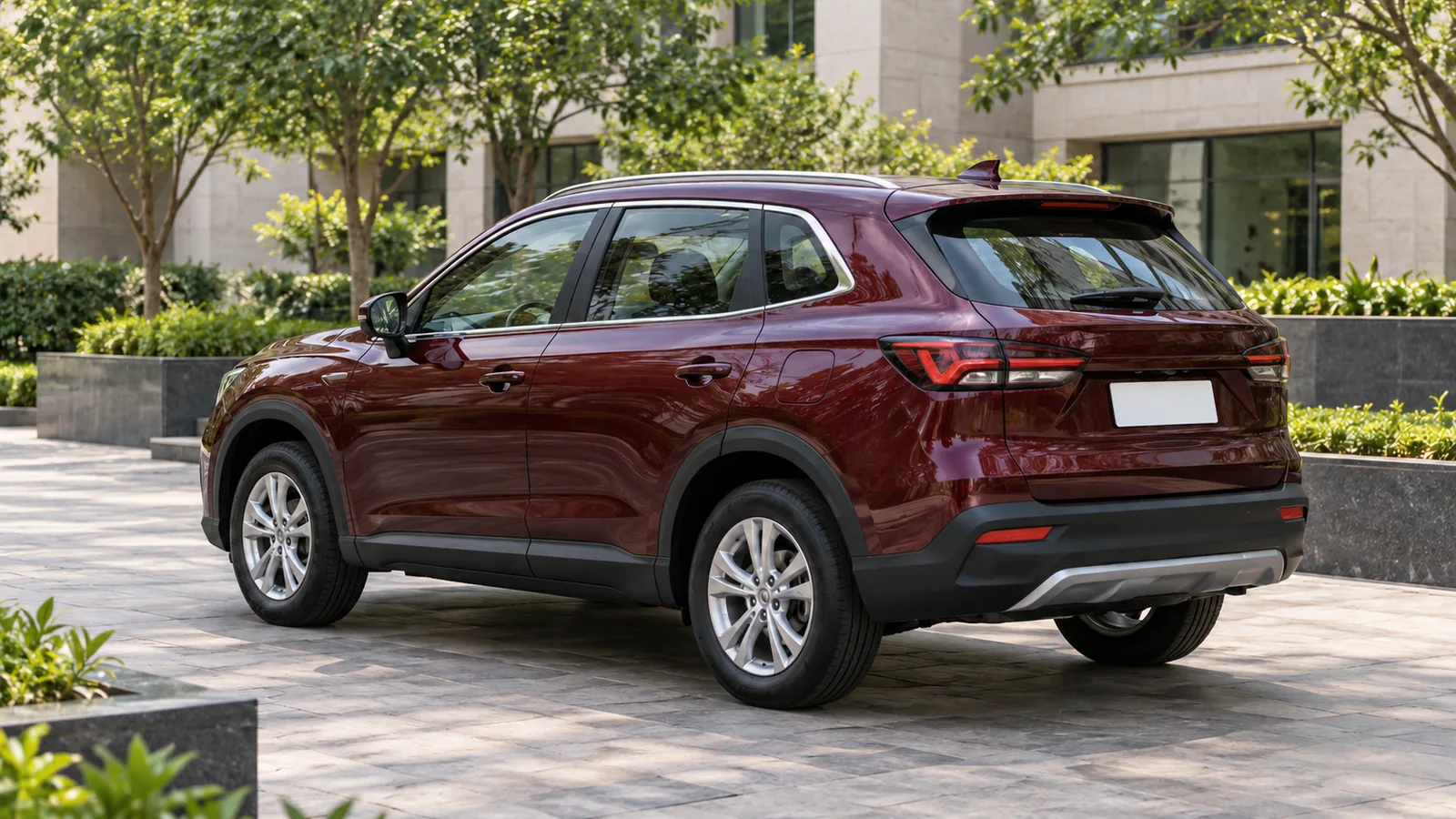
Cover: AI-generated illustration of a generic unbranded family MPV in an Indian driveway; it does not depict the Toyota Innova Crysta or an official Toyota design.

Innova Crysta seven or eight seats: choose the requirement first

Toyota's current official brochure lists the following seating and airbag combinations:

GradeListed seating capacityListed SRS airbags
G, GX and GX+Seven or eightThree
VXSeven or eightSeven
ZXSevenSeven

If an eighth seat is essential, establish that requirement before comparing cosmetic upgrades. If it is only occasionally useful, take the usual passengers to the showroom and compare the actual layouts. Try entering the rear row with the middle seats positioned for everyday use, rather than relying on a demonstration with everything moved out of the way.

Airbag counts need a grade-specific check

The brochure distinguishes three airbags on G, GX and GX+ from seven on VX and ZX. The former cover the driver, front passenger and driver knee; the latter add front side and curtain shield airbags. This detailed table matters when reading broader promotional descriptions of the vehicle.

AutoCred's buying advice is to treat this as a separate decision from upholstery or exterior trim. Ask for the exact grade's written equipment list, check it against the booking form and clarify how child restraints will be installed using the applicable owner's manual. An airbag count alone is not a crash-test rating.

Set a realistic grade budget: Use AutoCred's eligibility checker to check an indicative eligible amount and estimated EMI before shortlisting a Crysta grade or visiting a dealer. Results are indicative; final eligibility, rate, tenure and approval depend on the lender.

VX versus ZX: which conveniences will you use?

The current model specification table lists automatic climate control, cruise control and a wireless charger on VX and ZX. The power-adjustable driver's seat and tyre-pressure monitoring system are listed on ZX. It also specifies a 2,393 cc diesel engine with a five-speed manual transmission across the displayed grades.

For someone who drives through stop-start traffic, the transmission deserves attention before the trim upgrade. During the test drive, assess clutch effort, low-speed manoeuvring and the driving position. For households sharing driving duties, test how easily each person can find a comfortable position. These are personal checks, not claims that one grade will suit everyone.

What to confirm before paying a booking amount

Carry your typical luggage, check access with the passengers who will use the rear seats and request an itemised on-road quotation. Separate factory equipment from optional accessories, and compare the actual seat configuration rather than the grade name alone. Obtain written delivery information for the vehicle being offered.

The sensible Crysta choice is the configuration that meets your passenger and safety priorities while leaving room in the household budget for running costs. A higher trim should solve a need you can identify during the showroom visit.

Check your budget before finalising the shortlist

Check your car-loan eligibility with AutoCred for an indicative eligible amount and estimated EMI before shortlisting or visiting a dealer. Use the result alongside your down payment and itemised quotation. Results are indicative; final eligibility, rate, tenure and approval depend on the lender.

Read more
Oct 19, 2026

Honda ZR-V e:HEV India: Hybrid Modes and Mileage Explained

The Honda ZR-V e:HEV offers a different buying question from a conventional petrol automatic: how does its hybrid system fit your everyday driving? Understanding the power flow and the published figures can make a test drive more useful.

Honda's current India model page presents the ZR-V with a 2.0-litre e:HEV hybrid and e-CVT. This guide checks that page and its linked India brochure on 19 October 2026, focusing on how to read the specifications before shortlisting.

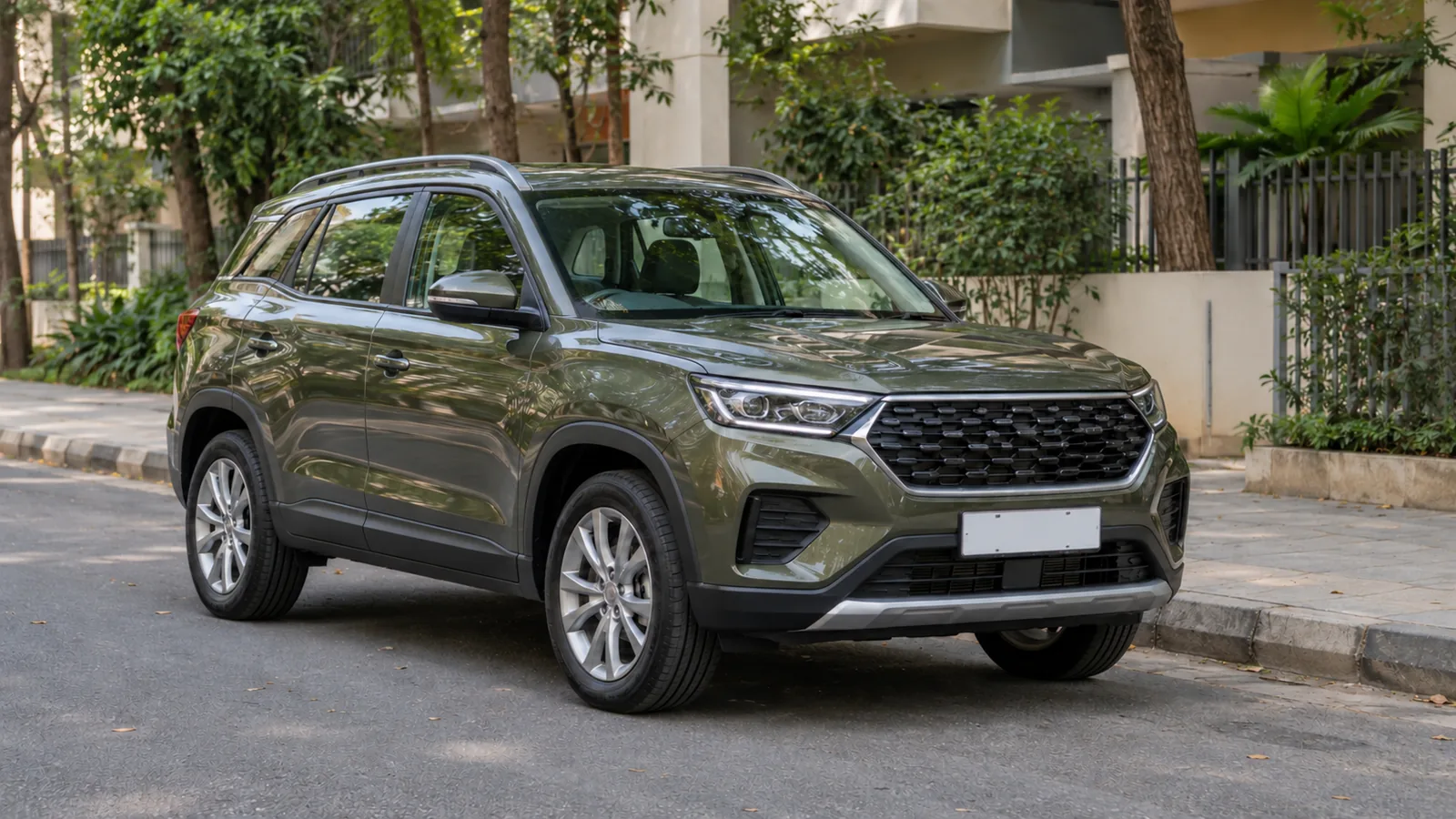
Cover: AI-generated illustration of a generic unbranded crossover in an Indian office courtyard.

How the ZR-V e:HEV switches between hybrid modes

Honda's India brochure, page 5, describes automatic switching between these power-flow modes:

  • EV Drive: battery power runs the traction motor with the engine off when starting.
  • Hybrid Drive: the engine generates electricity for the driving motor, with battery support during acceleration.
  • Engine Drive: a clutch connects the engine directly to the wheels during high-speed cruising.

The specification table distinguishes these automatic power-flow modes from the driver-selectable ECON, NORMAL and SPORT settings.

During the demonstration, ask the dealer to explain the energy-flow display while you experience moving away, accelerating and cruising. Observe how the transitions feel, rather than expecting the engine to remain silent throughout the drive.

Read combined power separately from engine and motor output

The page 21 specification table lists maximum engine power of 105 kW (143 PS), traction-motor power of 135 kW (184 PS), and combined system power of 135 kW (184 PS). The motor's quoted maximum torque is 315 Nm.

The combined figure is the published overall rating; adding the engine and motor ratings would give an unsupported total. The torque entry describes the motor.

For a buyer, those distinctions help keep comparisons meaningful. How comfortably the vehicle accelerates with your usual passengers and luggage still deserves a representative test drive.

Set a budget before choosing the hybrid. Use AutoCred's eligibility checker to check an indicative eligible amount and estimated EMI before shortlisting or visiting a dealer. Results are indicative; final eligibility, rate, tenure and approval depend on the lender.

What does the certified 22.80 km/l figure mean?

Honda's brochure lists 22.80 km/l, with a footnote identifying certification under Rule 115 of CMVR 1989 and rounding to two decimal places. Treat it as the published certified figure, rather than a promise for your personal route.

For your budget, ask how the dealer's fuel-cost illustration was calculated: the assumed distance, fuel price and mileage should all be visible. Use an estimate appropriate to your own journeys, and avoid treating a brief test-drive display reading as a long-term average.

Checks to make before booking a ZR-V

Try the car on familiar roads with the air conditioning operating. Check visibility, seat comfort, parking controls and luggage space. Request an explanation of the deceleration selector and Honda SENSING functions, including their operating conditions, using the owner's manual.

Ask for an itemised quotation identifying the exact specification, delivery terms, warranty coverage and maintenance package. Have the dealer explain the hybrid-system coverage in writing, including exclusions and any optional extension, so you can compare ownership terms alongside the purchase price.

The most useful decision combines a clear understanding of the hybrid, a comfortable demonstration drive and a complete quotation you can assess.

Plan the financing before visiting a dealer. Check an indicative eligible amount and estimated EMI with AutoCred before finalising your shortlist or visiting a dealer. Results are indicative; final eligibility, rate, tenure and approval depend on the lender.

Read more
Oct 19, 2026

Nissan Tekton T160 vs T280: Manual and DCT Buyer Guide

The Nissan Tekton's engine choice also determines which gearboxes you can consider. The T160 is a manual proposition, while the T280 offers both manual and automatic options. That makes your driving routine a useful starting point before comparing equipment grades.

Nissan introduced the Tekton in India on 9 July 2026. This buying guide uses the brand's current India specifications, checked on 19 October, to explain the powertrain choices and the questions worth taking to a test drive.

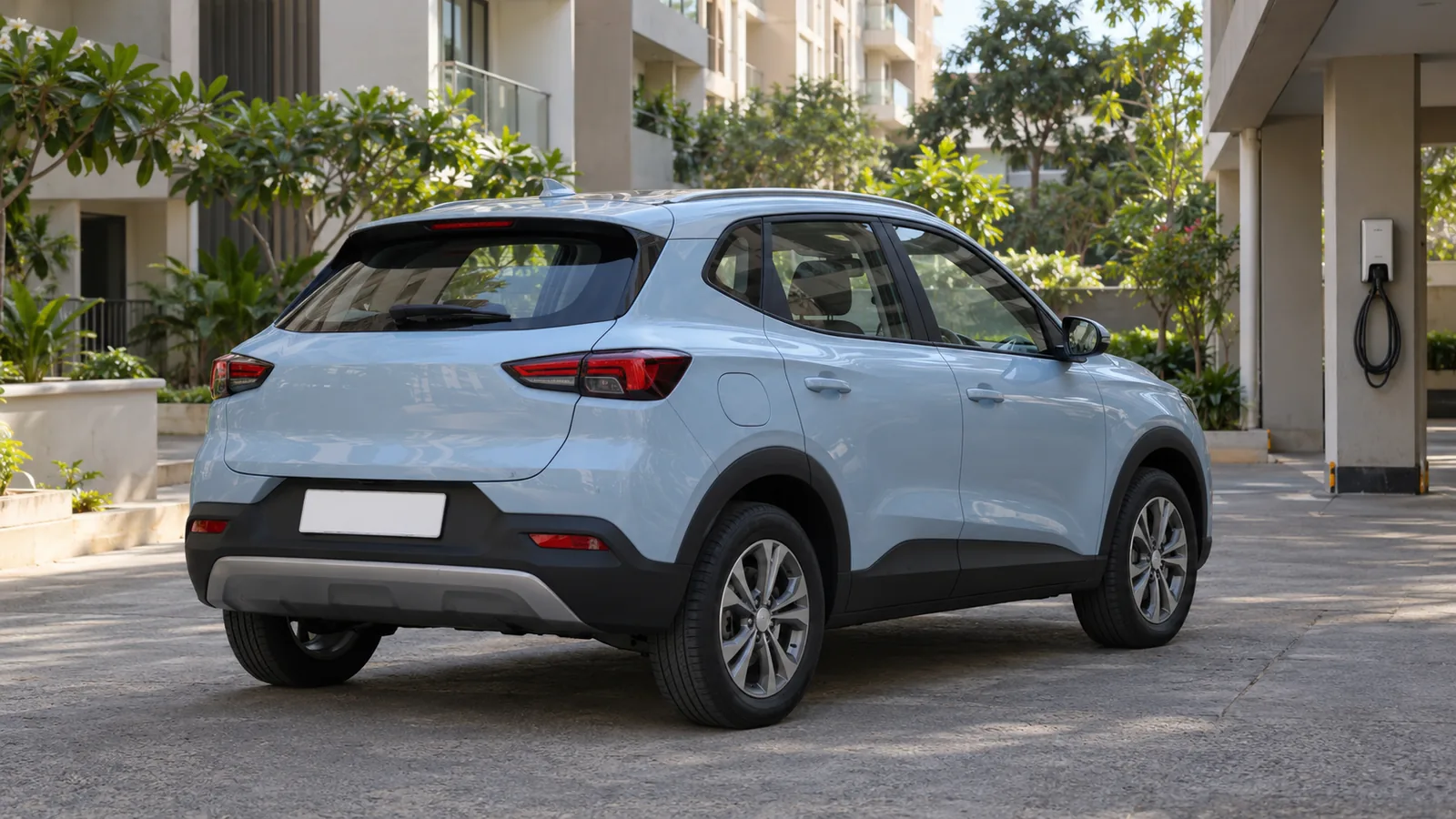
Cover: AI-generated illustration of a generic unbranded crossover on an Indian residential street.

Nissan Tekton T160 and T280 specifications compared

Nissan's India model page lists these turbo-petrol combinations:

PowertrainEngineMaximum powerMaximum torqueGearbox
T160 manual1.0-litre, three-cylinder100 PS166 Nm6-speed manual
T280 manual1.3-litre, four-cylinder163 PS280 Nm6-speed manual
T280 automatic1.3-litre, four-cylinder163 PS280 Nm6-speed wet-clutch DCT

The T280's higher quoted output gives you a different specification to assess, but the figures do not replace a drive with your usual passenger load. The T160 badge also should not be read as an exact torque figure: the published maximum is 166 Nm.

When does the T160 manual deserve a test drive?

Start here if you are comfortable operating a clutch and want to establish whether the lower-output engine meets your needs. Ask to drive through the junctions, inclines and traffic conditions that resemble your regular use.

Check how easily you can move away, select gears and maintain progress with the air conditioning running. If the car will often carry family and luggage, discuss a representative demonstration with the dealer. These checks are more useful than assuming the smaller engine will either feel inadequate or suit everyone.

Should you choose the T280 manual or DCT?

Both T280 versions have the same published peak power and torque. Your preference for clutch operation, shifting and low-speed control therefore becomes central to the comparison.

Try the manual if you prefer choosing gears yourself. In the DCT, spend time on parking manoeuvres, moving away after a stop and gently changing speed in traffic. Ask the dealer to explain the recommended operating procedure from the owner's manual, including use on inclines.

Nissan identifies the automatic as a wet-clutch DCT with an electronic shifter and paddle shifters. Those descriptions identify the hardware and controls; they do not establish how comfortable you will find the car or predict long-term repair costs.

Compare the upgrade with your budget. Use AutoCred's eligibility checker to check an indicative eligible amount and estimated EMI before shortlisting or visiting a dealer. Results are indicative; final eligibility, rate, tenure and approval depend on the lender.

Compare the same equipment before comparing quotations

Ask for the exact engine, gearbox and equipment grade on each quotation. Moving from a manual to an automatic may also change the grade you are considering, so identify which part of the price difference pays for the transmission and which part pays for added equipment.

Check the current variant specification for the features you actually need, then request an itemised on-road quotation. Include insurance, registration, selected accessories and any maintenance or warranty package in the comparison. Obtain the package terms rather than treating an optional product as standard coverage.

A useful shortlist is the combination you find comfortable to drive, with equipment you will use and a complete cost you can assess. Keep the signed variant specification and delivery quotation alongside your test-drive notes before booking.

Plan the financing before the dealer visit. Check an indicative eligible amount and estimated EMI with AutoCred before finalising your shortlist or visiting a dealer. Results are indicative; final eligibility, rate, tenure and approval depend on the lender.

Read more
Oct 18, 2026

BYD ATTO 3 India: Battery Options and Range Figures Explained

Choosing a BYD ATTO 3 should start with how the car will fit your journeys and charging routine. A larger advertised range can be attractive, but the test conditions behind that figure deserve attention before you use it to decide your budget.

This guide checks BYD's current India model page and its linked brochure on 18 October 2026. It explains the battery choices and a documentation detail that prospective buyers should clarify before booking.

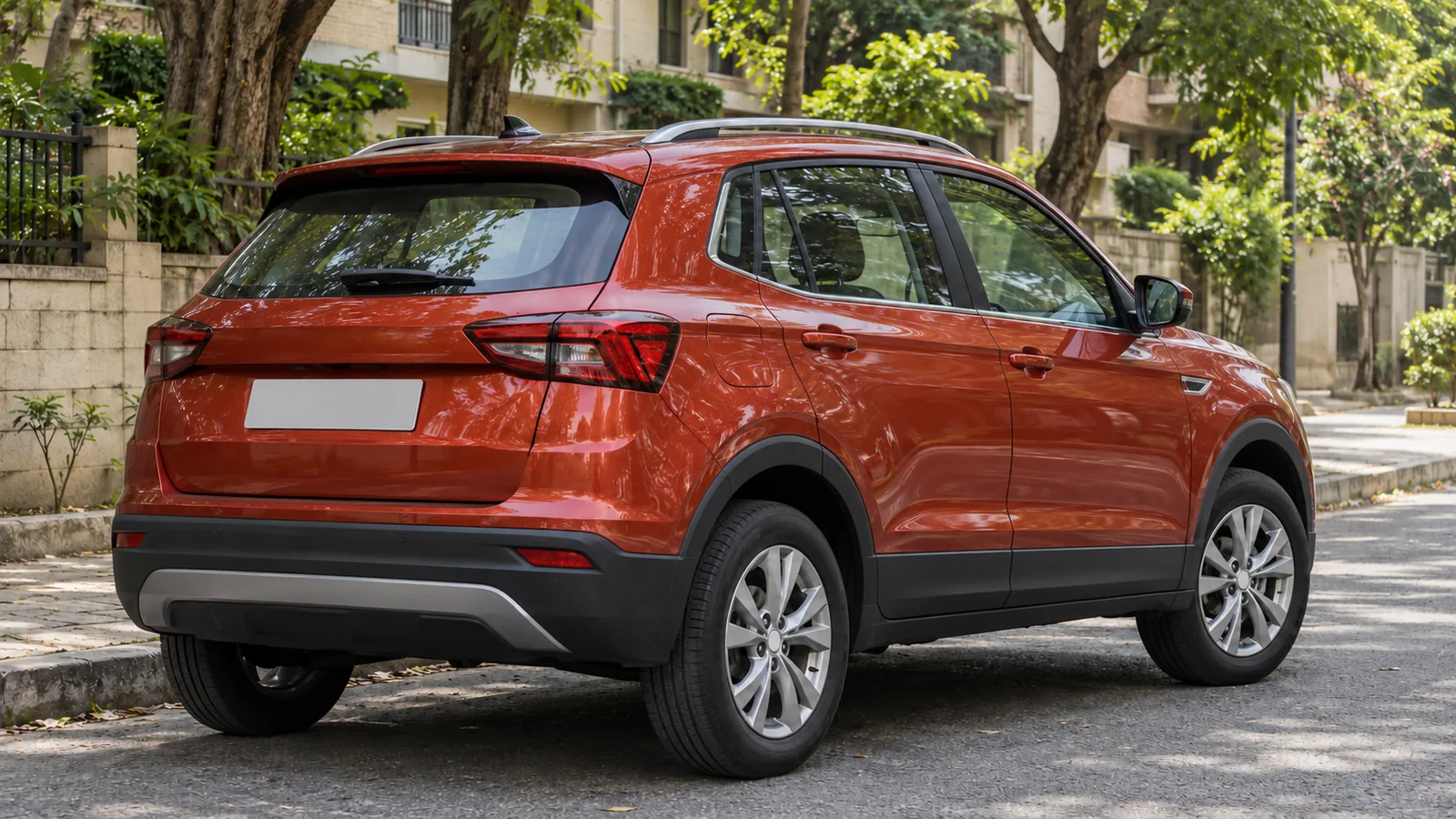
Cover: AI-generated illustration of a generic unbranded electric crossover at an Indian apartment complex; not a BYD ATTO 3 or an official manufacturer photograph.

Which BYD ATTO 3 variants have the larger battery?

BYD's India model page lists the following battery capacities and ARAI-tested range claims:

VariantBattery capacityAdvertised ARAI range
Dynamic49.92 kWh468 km
Premium60.48 kWh521 km
Superior60.48 kWh521 km

The same page labels these tested range figures as applying to model year 2024. That qualification matters when checking the specification of the particular vehicle a dealer is offering.

Premium and Superior share the listed battery capacity. Moving between those grades therefore needs an equipment comparison, rather than an assumption that the higher grade adds more battery. Ask for an itemised quotation and the applicable variant specification.

Why the range footnotes need a careful reading

The model-page disclaimers describe the 521 km test as using Parts 1 and 2 of the Modified Indian Driving Cycle, from 100% to 5% state of charge. They describe the 468 km test as Part 1, with different stopping criteria: indicated charge reaching zero or inability to meet the specified speed curve.

These descriptions differ. Treating the advertised figures as a directly comparable prediction of your highway driving would overlook that difference.

There is also a mismatch within the brochure currently linked by BYD: its final-page specification table shows 468 km and 521 km, while a disclaimer on that page mentions 458 km for the 60.48 kWh battery. The document does not reconcile those entries. Request the applicable range certification and model-year specification in writing instead of deciding which entry must be correct.

Set a budget before choosing a grade. Use AutoCred's eligibility checker to check an indicative eligible amount and estimated EMI before shortlisting or visiting a dealer. Results are indicative; final eligibility, rate, tenure and approval depend on the lender.

Check charging access alongside battery capacity

The brochure's charging configuration table lists a CCS2 DC port rated at 70 kW for Dynamic and 80 kW for Premium and Superior, with Type 2 AC charging across the grades. Its disclaimers also warn that charging conditions can vary.

A port rating is not a promise that every charging stop will sustain that power. Ask the dealer to demonstrate compatible charging and explain what equipment is included in the quotation. For apartment parking, obtain the building's permission and an installation assessment before relying on home charging.

How to shortlist the right ATTO 3 for your use

Write down your ordinary commute, regular longer trips and reliable overnight charging options. During a test drive, check comfort, visibility and how the car handles your usual roads. Ask for an explanation of range expectations for that usage; distinguish the dealer's estimate from certified figures.

For longer trips, review accessible charging stops and a backup location along your actual route. Compare the complete purchase and installation quotation, rather than letting a headline range number settle the decision.

Before paying a booking amount, retain the written variant specification, model year, delivery terms and any clarification of the range documentation. That gives you a clearer basis for comparing the car being supplied with the car you intended to buy.

Plan the financing alongside the car. Check your indicative eligible amount and estimated EMI with AutoCred before finalising your shortlist or visiting a dealer. Results are indicative; final eligibility, rate, tenure and approval depend on the lender.

Read more
Oct 18, 2026

MINI Cooper Oxford Edition India: Price, Specs and Buyer Guide

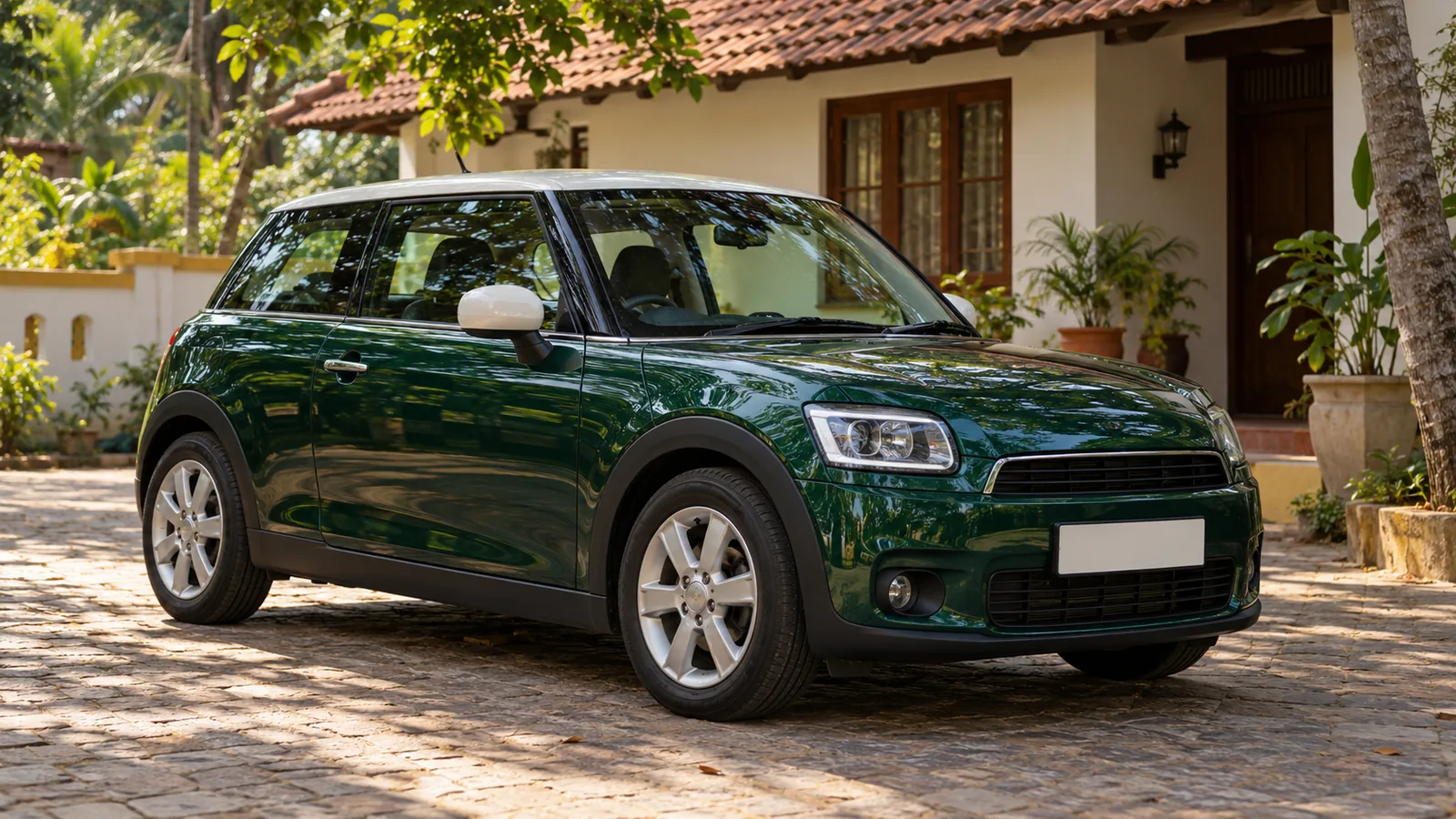
Cover image: a generic unbranded three-door hatchback in Goa, created for illustration. It does not depict the MINI Cooper Oxford Edition or its official design.

The MINI Cooper Oxford Edition brings a distinctive specification to the premium hatchback shortlist. MINI's current India model page, checked on 18 October 2026, displays a starting price of ₹55.50 lakh. Buyers should assess its design, equipment and everyday practicality together before requesting an allocation.

MINI Oxford Edition price: what does ₹55.50 lakh cover?

The official India specification sheet lists ₹55,50,000 ex-showroom. Its terms include applicable GST but exclude registration-related charges, TCS and insurance; the price prevailing at invoicing applies.

Request a complete quotation showing the vehicle, insurance, statutory charges and any optional items separately. Have the dealer identify the exact configuration against that price. This gives you a clearer comparison with another car than a starting-price headline alone.

What makes the Oxford Edition distinctive?

The same specification sheet lists Indigo Sunset Blue and Chilli Red paint with white roof and mirror caps. Edition details include Union Jack graphics on the roof, bonnet and boot, plus Oxford wheel-centre caps, front mats and door-entry sills.

Examine the actual finish or ask for clear photographs of the allocated vehicle. Confirm which decorative elements and accessories are included in the quotation. Choose a colour and design you expect to enjoy throughout ownership, and ask how any edition-specific trim would be replaced if needed.

Engine and performance: the official figures

MINI's technical data specifies a 1,998 cc engine rated at 204 hp (150 kW) and 300 Nm. The quoted 0–100 km/h time is 6.6 seconds, measured under controlled test conditions.

Use a test drive to assess the response at normal road speeds, ease of parking and comfort on your usual surfaces. Take your regular passengers where possible. The useful result is whether the car suits your journeys and confidence behind the wheel.

Check the budget before choosing an edition. Use AutoCred's eligibility checker to check an indicative eligible amount and estimated EMI before shortlisting or visiting a dealer. Results are indicative; final eligibility, rate, tenure and approval depend on the lender.

Cabin equipment and practical buying checks

The specification sheet includes 18-inch wheels, sport seats, a panoramic glass roof, head-up display, Harman Kardon audio and a 240 mm OLED touchscreen. Ask for a demonstration of the seat adjustment, displays and phone connection in the offered car.

MINI's 8 October India announcement identifies the edition with the Cooper three-door. Try rear-seat access and loading your usual luggage, and check door-opening space where you park. Request tyre-replacement and scheduled-maintenance quotations to help plan ownership spending.

Confirm allocation and delivery before paying

That announcement describes availability in limited quantities without giving an India allocation count. Ask the authorised dealer to confirm stock, specification, delivery timing and booking or cancellation terms in writing. Keep the quotation and order acknowledgement together so that the agreed car and charges remain clear.

Before booking: revisit AutoCred's eligibility checker for an indicative eligible amount and estimated EMI before finalising your shortlist or dealer visit. Allow for ownership costs alongside the monthly payment. Results are indicative; final eligibility, rate, tenure and approval depend on the lender.

Read more
Oct 18, 2026

Honda Amaze V vs VX vs ZX CVT: Features and Buyer Guide

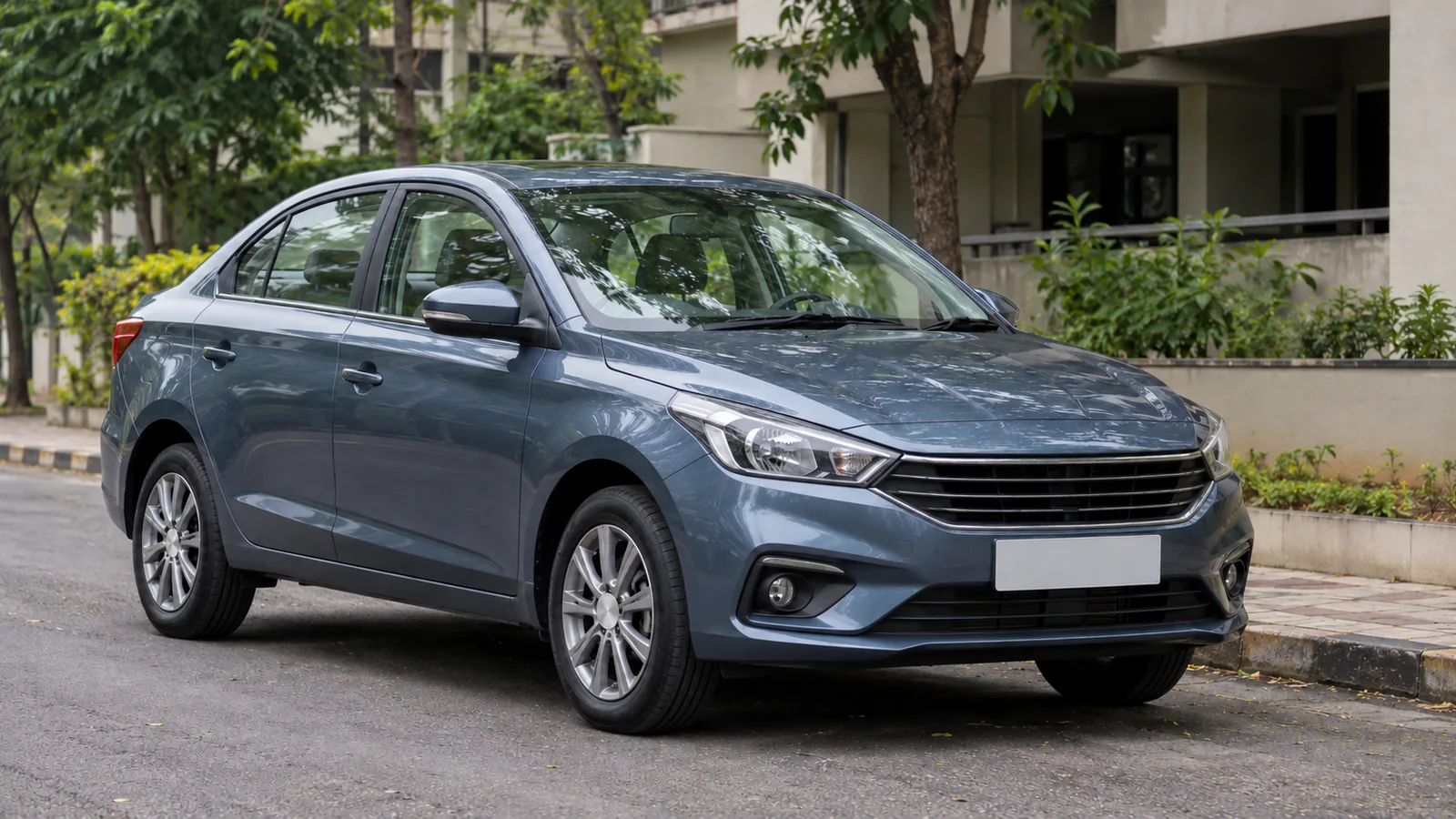
Cover image: a generic unbranded compact sedan in an Indian residential setting, created for illustration. It does not depict the Honda Amaze.

The Honda Amaze CVT shortlist becomes easier when you separate everyday convenience from driver assistance. V, VX and ZX serve different priorities, so the right upgrade depends on your commute, passengers and budget. This guide uses Honda's current India information, checked on 18 October 2026, to help buyers compare the third-generation Amaze before requesting a dealer quotation.

What do the Amaze CVT variants share?

Honda's current Amaze brochure lists the CVT across V, VX and ZX, with a 1,199 cc petrol engine producing 90 PS and 110 Nm. Its equipment table shows six airbags, stability control and rear parking sensors across the range.

Start the test drive with the transmission: try a slow parking manoeuvre, a gradient and acceleration with your usual passenger load. Judge how comfortably you can position the car and how its response suits your driving. A higher equipment grade should earn its place through features you will use.

V CVT: assess the essentials first

The brochure's V equipment list includes manual air conditioning and paddle shifters for V CVT. This is a sensible starting point for a buyer concentrating on the automatic driving experience.

Check the seat adjustment, mirror view and cabin cooling during the demonstration. If you plan to add accessories, ask for their installed cost and warranty terms separately. Compare the completed quotation with the next grade before deciding that the entry variant is the least expensive route to your preferred equipment.

VX CVT: examine the comfort and camera upgrades

VX adds automatic climate control, rear AC vents, LaneWatch, a rear camera, folding mirrors and wireless phone charging; remote engine start is listed for its CVT version. These differences appear in the brochure's grade comparison.

For frequent rear-seat passengers, try the vents from the back seat. Ask the salesperson to demonstrate the camera views and mirror controls in the actual vehicle. That makes the upgrade easier to value against your parking space and daily routine.

Set a budget before moving up a variant. Use AutoCred's eligibility checker to check an indicative eligible amount and estimated EMI before shortlisting or visiting a dealer. Results are indicative; final eligibility, rate, tenure and approval depend on the lender.

ZX CVT: decide whether Honda Sensing suits your use

The same official equipment table reserves Honda Sensing for ZX, including collision mitigation, adaptive cruise and lane-keeping assistance. Honda states that the system does not replace driver vigilance.

Ask for a clear explanation of operating conditions, dashboard warnings and driver responsibilities. Use the owner's guidance to understand limitations before relying on any assistance feature. Assess ZX for your own journeys and comfort with the controls, while continuing to drive attentively.

How should you read Honda's October offer?

Honda's official October offers page advertises New Amaze benefits of up to ₹66,800, valid through 31 October 2026, with variant, grade and location conditions. This model-level headline does not establish the saving available on your chosen CVT.

Request an itemised quotation naming the generation, grade and transmission. Keep insurance, accessories, any exchange valuation and conditional benefits visible. Confirm availability and the promised delivery date in writing. For the final specification check, use Honda's India Amaze model page alongside the dealer's equipment sheet.

Before booking: revisit AutoCred's eligibility checker for an indicative eligible amount and estimated EMI before finalising your shortlist or dealer visit. Keep a comfortable monthly budget; results are indicative, and final eligibility, rate, tenure and approval depend on the lender.

Read more
Oct 18, 2026

Škoda Kushaq Automatic: 1.0 TSI 8-Speed vs 1.5 TSI DSG Buyer Guide

The Škoda Kushaq automatic shortlist involves a choice of engine as well as gearbox. The 1.0 TSI uses an eight-speed torque-converter automatic, while the 1.5 TSI uses a seven-speed DSG, as shown on Škoda's current India model page. Deciding between them starts with your driving needs and budget, rather than the number of gears alone.

This guide reviews the current offering as checked on 18 October 2026. It is a powertrain comparison for buyers, not a fresh launch announcement or a road-test verdict.

Cover illustration: a generic unbranded compact SUV on a Bengaluru residential road. It does not depict the Kushaq or an official Škoda vehicle design.

Kushaq 1.0 TSI automatic vs 1.5 TSI DSG: the core differences

Škoda's official launch specification gives the following figures:

Item1.0 TSI automatic1.5 TSI DSG
FuelTurbocharged petrolTurbocharged petrol
Published power85 kW110 kW
Published torque178 Nm250 Nm
Automatic transmissionEight-speed torque converterSeven-speed DSG

The larger engine therefore brings higher published power and torque. The same release identifies Active Cylinder Technology and all-wheel disc brakes on the 1.5 TSI. Those are documented differences; their value to your routine is something to assess through a representative demonstration.

Make the test drives comparable

Start with the 1.0 TSI automatic and establish whether it meets your needs. Drive it on a route that includes your normal traffic conditions, parking manoeuvres and a suitable open-road section. Include the passengers who regularly travel with you where practical.

Then try the 1.5 TSI DSG under similar conditions. Compare how comfortably you can join traffic, respond to changing speeds and manoeuvre at low speed. Pay attention to accelerator response and how the transmission behaves at the pace you normally drive. A preference noticed on the same route is more useful than an assumption based on a gearbox badge.

If the 1.0 satisfies your requirements, keep it in contention while comparing equipment. If the 1.5 makes a meaningful difference to your driving experience, assess that preference against the complete purchase and ownership budget. Neither choice needs to be justified by a brochure number alone.

Check the budget before paying for the upgrade. Use AutoCred's eligibility checker to check an indicative eligible amount and estimated EMI before shortlisting a Kushaq automatic or visiting a dealer. Compare the indication with your preferred down payment and monthly comfort level.

Separate the engine upgrade from the equipment upgrade

Ask for quotations in a comparable trim wherever possible. Škoda's current range listing includes Prestige with both automatic powertrains, providing a useful starting point. Check each quotation's equipment and options so an engine comparison does not quietly become a comparison between different comfort packages.

Request the exact variant name, manufacturing details, insurance and accessory charges in writing. Use the price of that configuration rather than the overall range's advertised starting price when planning the purchase.

Read the ownership package carefully

The official Kushaq brochure's terms specify a standard warranty of four years or 100,000 km, whichever occurs first. They also clarify that the four scheduled free services cover labour charges only. Obtain the applicable coverage, service schedule and payable items for the car you order.

Choose the configuration you can comfortably own. Check your indicative eligibility and estimated EMI with AutoCred before finalising the shortlist or visiting the dealership. Results are indicative; final eligibility, rate, tenure and approval depend on the lender.

Read more
Oct 18, 2026

Mercedes-Maybach S 580 e India: Range, Charging and Buyer Guide

The Mercedes-Maybach S 580 e adds a charging decision to the familiar luxury-saloon buying process. Mercedes-Benz India's current official model page identifies it as a petrol plug-in hybrid. For a prospective owner, the useful comparison is how its electric capability and rear-seat experience fit the journeys the car will actually make.

This guide uses the manufacturer's current India listing, checked on 18 October 2026. Treat the following as a buying framework and confirm the specification of the car being quoted.

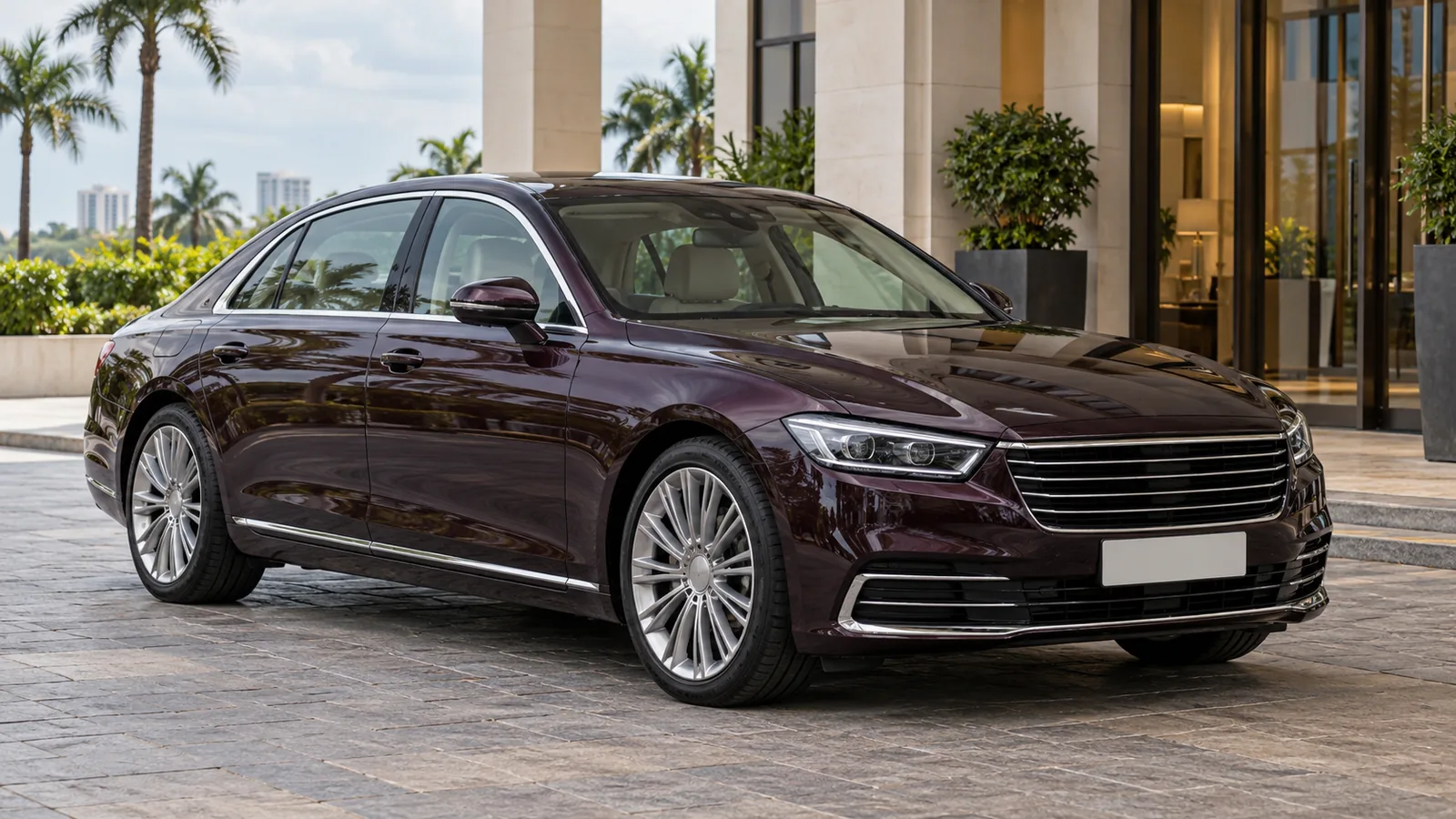
Cover illustration: a generic unbranded luxury saloon at an Indian hotel. It does not depict the Maybach S 580 e or an official Mercedes-Benz vehicle design.

Maybach S 580 e: official battery and charging figures

The official India technical-data section lists:

ItemManufacturer's published specification
PowertrainSix-cylinder petrol plug-in hybrid
System output430 kW (585 hp), 750 Nm
Usable battery energy21.96 kWh
Maximum AC / DC charging power11 kW / 60 kW
Quoted AC charging time2.25 hours, 0–100% state of charge
Quoted DC charging time20 minutes, 10–80% state of charge

The same page advertises electric range of up to 98 km. These are manufacturer figures, not a guarantee for an individual journey or charging session. Ask for the applicable test basis and charging conditions; plan around your route, access to charging and the configuration supplied.

Start with where the car will charge

Before booking, request a charging-site assessment for the place where the car normally stays. Establish who will arrange installation, which equipment is included, what electrical work is required and how the charging point will be accessed. In an apartment or shared office, obtain the relevant permissions before assuming a space can support the installation.

For a chauffeur-driven car, include the driver in the demonstration. Agree how charging fits around office journeys, airport duties and days when the vehicle is needed unexpectedly. Ask the dealer to demonstrate the displays, charging controls and cable handling rather than leaving those questions until delivery.

Set the ownership budget before specifying the car. Use AutoCred's eligibility checker to check an indicative eligible amount and estimated EMI before shortlisting or visiting a dealer. Compare that indication with your preferred down payment and a written, itemised vehicle quotation.

Check rear-seat comfort and luggage together

Mercedes highlights rear entertainment with two 13.1-inch displays and the MBUX Superscreen on its model page. It also cautions that displayed equipment may not be standard. Request the precise seating layout, comfort package and digital-service entitlements on the order specification.

Take the rear-seat test drive on roads representative of your routine. Try entry and exit, adjust the seat to your preferred position and check whether the controls are easy to use. Bring the luggage you normally carry on an airport run and test loading it with the occupants' preferred seating arrangement.

What to obtain before confirming the order

  • A quotation identifying the exact variant, options, insurance and on-road charges.
  • Written charging-equipment, installation and support arrangements.
  • The applicable warranty and service information, including the hybrid system.
  • A confirmed allocation, delivery estimate and booking terms for the specified car.

Make the monthly commitment part of the decision. Check your indicative eligibility and estimated EMI with AutoCred before finalising the shortlist or visiting the dealership. Results are indicative; final eligibility, rate, tenure and approval depend on the lender.

Read more
Oct 17, 2026

Maruti Victoris ALLGRIP Select: AWD, Drive Modes and Buyer Guide

The Maruti Suzuki Victoris offers several ways to approach the family-SUV brief. Its official India model page presents petrol, Strong Hybrid and S-CNG choices alongside ALLGRIP Select. The useful buying question is which configuration matches your journeys, rather than which badge sounds most capable.

This guide examines the current brochure as checked on 17 October 2026. It is a configuration guide, not a fresh launch announcement or a promise about dealer stock.

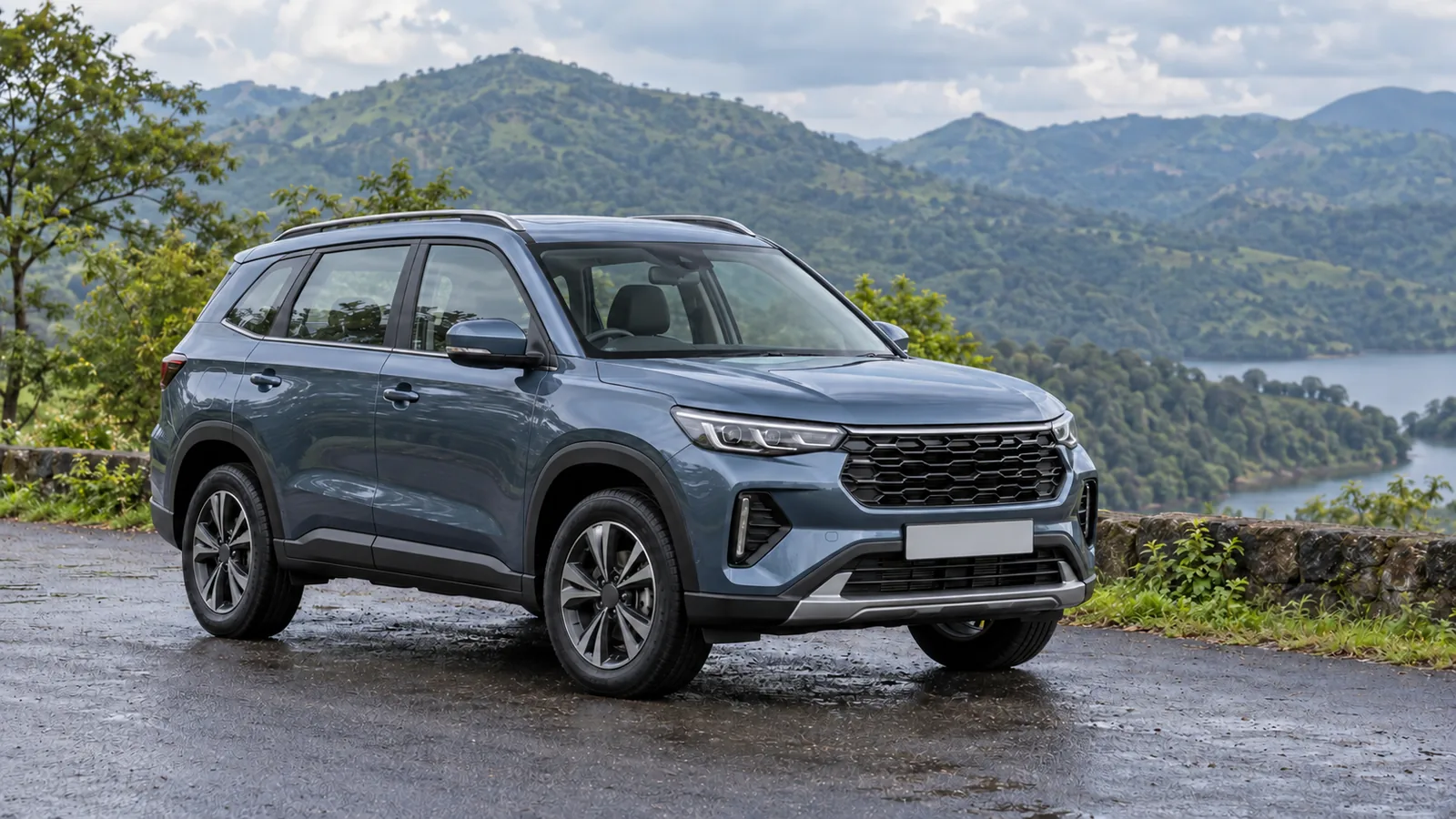
Cover illustration: a generic unbranded SUV on an Indian hill road. It does not depict the Victoris or an official Maruti Suzuki vehicle design.

Which Victoris gets ALLGRIP Select?

Maruti's official Victoris brochure, technical and variant tables pairs ALLGRIP Select with the 1.5-litre K15C petrol engine and six-speed automatic. The availability table places it in the Zxi+ / Zxi+ (O) column. Strong Hybrid uses an e-CVT and is listed as two-wheel drive; S-CNG uses a five-speed manual and is also two-wheel drive.

Consequently, a shopper cannot simply combine the Strong Hybrid badge with ALLGRIP on an order form. Ask the dealer to identify the complete engine, transmission, driven-wheel configuration and variant name on the written quotation. Check that the demonstration vehicle matches it before drawing conclusions from the test drive.

Auto, Sport, Snow and Lock: what to check

The same official brochure lists Auto, Sport, Snow and Lock terrain modes for ALLGRIP, paddle shifters for the six-speed automatic, and hill-descent control specifically for ALLGRIP.

Use the demonstration to understand the controls, dashboard indications and the owner's-manual instructions for selecting each mode. A name such as Lock should not be treated as a complete technical explanation. Ask the salesperson to show the operating conditions and restrictions in the manual rather than relying on a broad off-road sales pitch.

Think about journeys you actually make: the approach to a hillside home, a recurring rural route, or family trips during the rains. Describe those conditions to the dealer. A short urban demonstration can establish seating comfort and control layout, but it may not answer the question that put AWD on your shortlist.

Set a comfortable budget before choosing the drivetrain. Use AutoCred's eligibility checker to check an indicative eligible amount and estimated EMI before shortlisting a Victoris configuration or visiting a dealer. Keep room in the budget for running costs and your preferred down payment.

ALLGRIP or Strong Hybrid: compare the ownership priorities

Start with your main reason for changing cars. If it is the daily commute, build the comparison around the route, time spent in traffic, annual usage and the feel of each powertrain. If particular travel conditions drive the decision, explain how often they arise and whether an AWD configuration answers that need.

Request separate, itemised quotations for the configurations you are considering. Compare the on-road total, insurance, optional accessories and service information on the same basis. Avoid treating a headline starting price as the price of the exact automatic or AWD version you want.

What should you confirm before booking?

  • Match the variant and powertrain on the quote to the brochure availability table.
  • Try family seating, luggage loading and parking manoeuvres with your usual passengers in mind.
  • Get the equipment list, delivery estimate and booking-cancellation terms in writing.
  • Choose for recurring needs, with a test drive of the configuration you intend to buy.

Plan the purchase around a sustainable monthly commitment. Check your indicative car-loan eligibility and estimated EMI with AutoCred before finalising the shortlist or visiting the dealer. Results are indicative; final eligibility, rate, tenure and approval depend on the lender.

Read more