Škoda Kushaq Automatic: 1.0 TSI 8-Speed vs 1.5 TSI DSG Buyer Guide
The Škoda Kushaq automatic shortlist involves a choice of engine as well as gearbox. The 1.0 TSI uses an eight-speed torque-converter automatic, while the 1.5 TSI uses a seven-speed DSG, as shown on Škoda's current India model page. Deciding between them starts with your driving needs and budget, rather than the number of gears alone.
This guide reviews the current offering as checked on 18 October 2026. It is a powertrain comparison for buyers, not a fresh launch announcement or a road-test verdict.
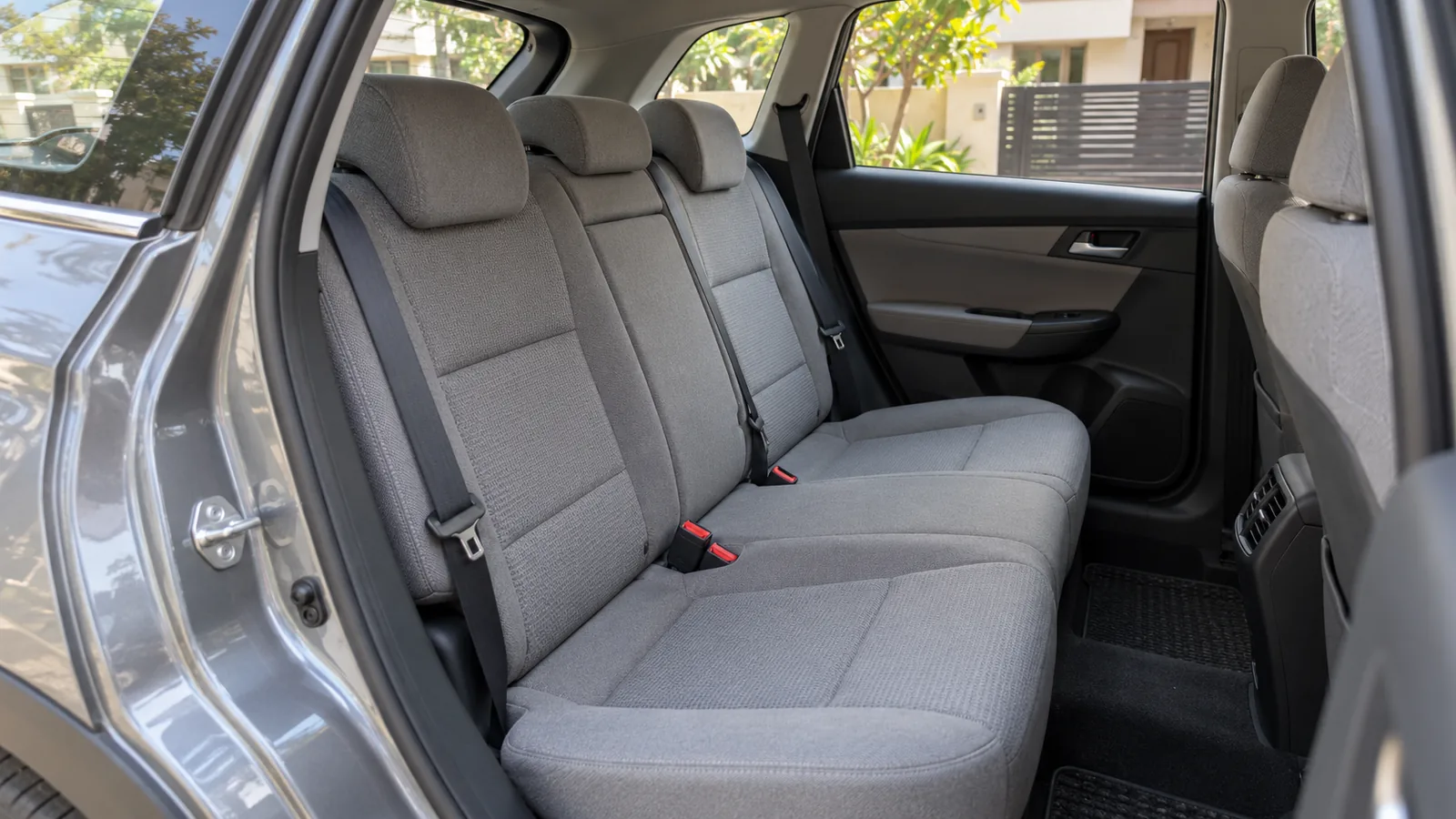
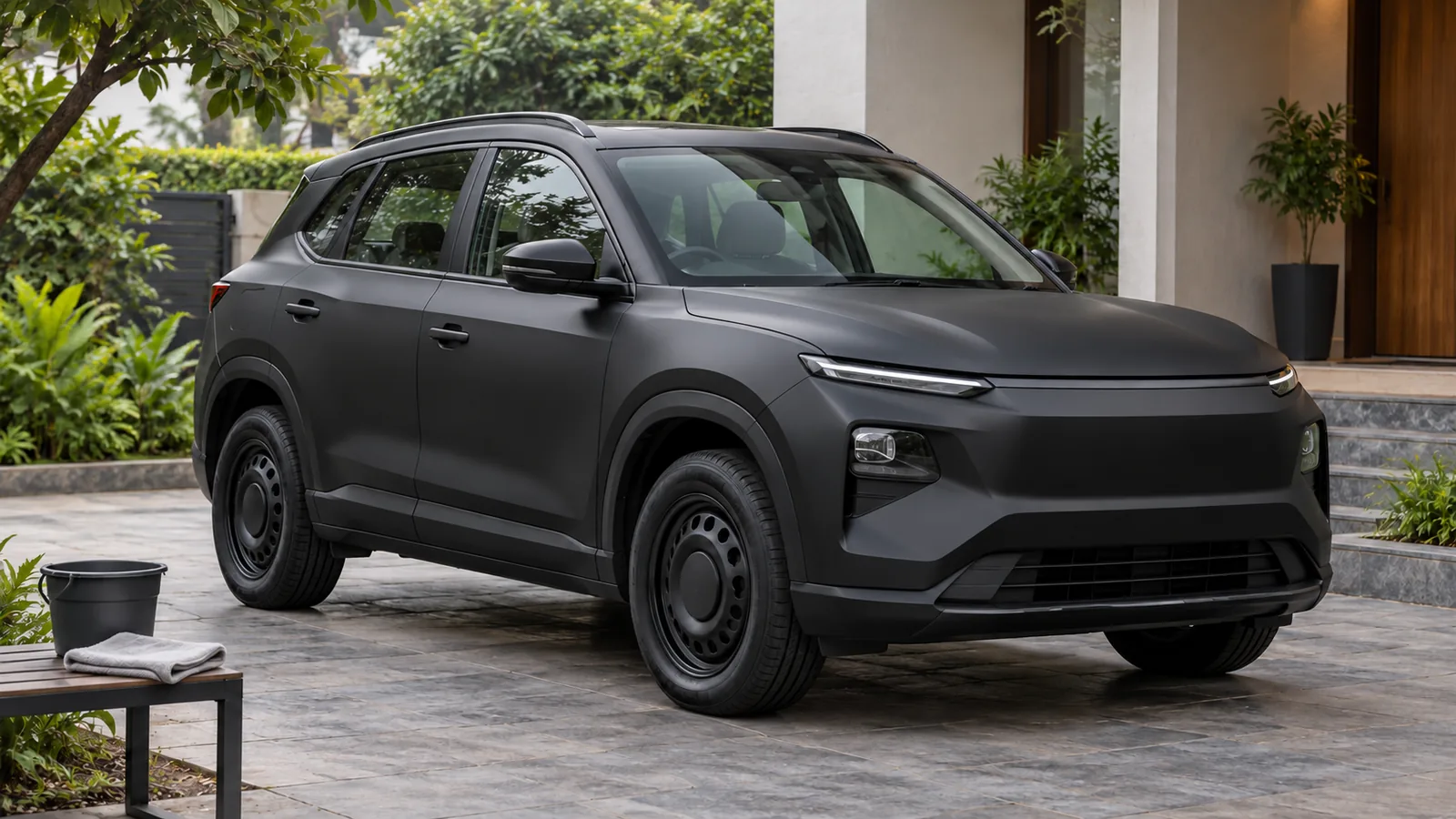
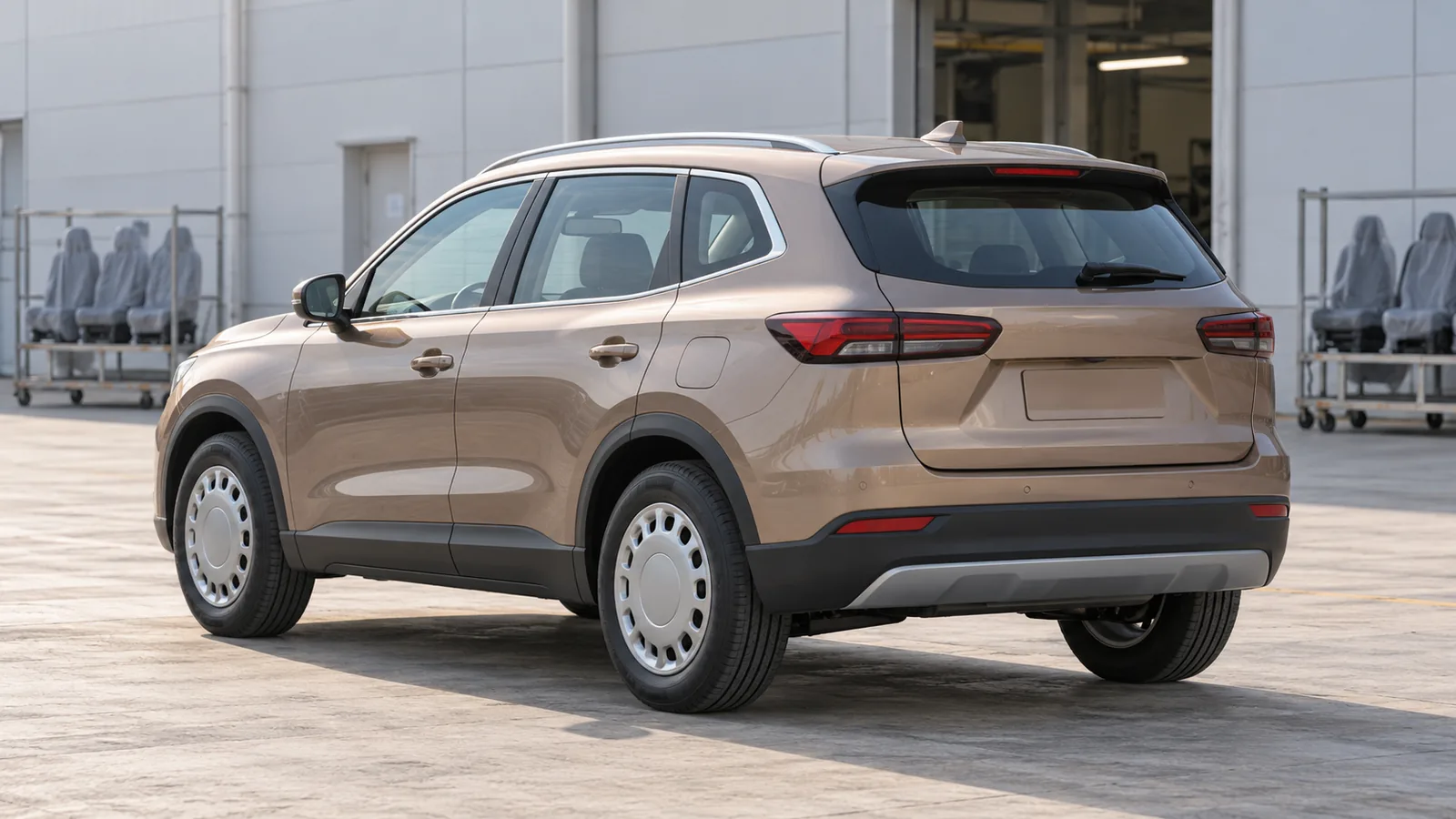
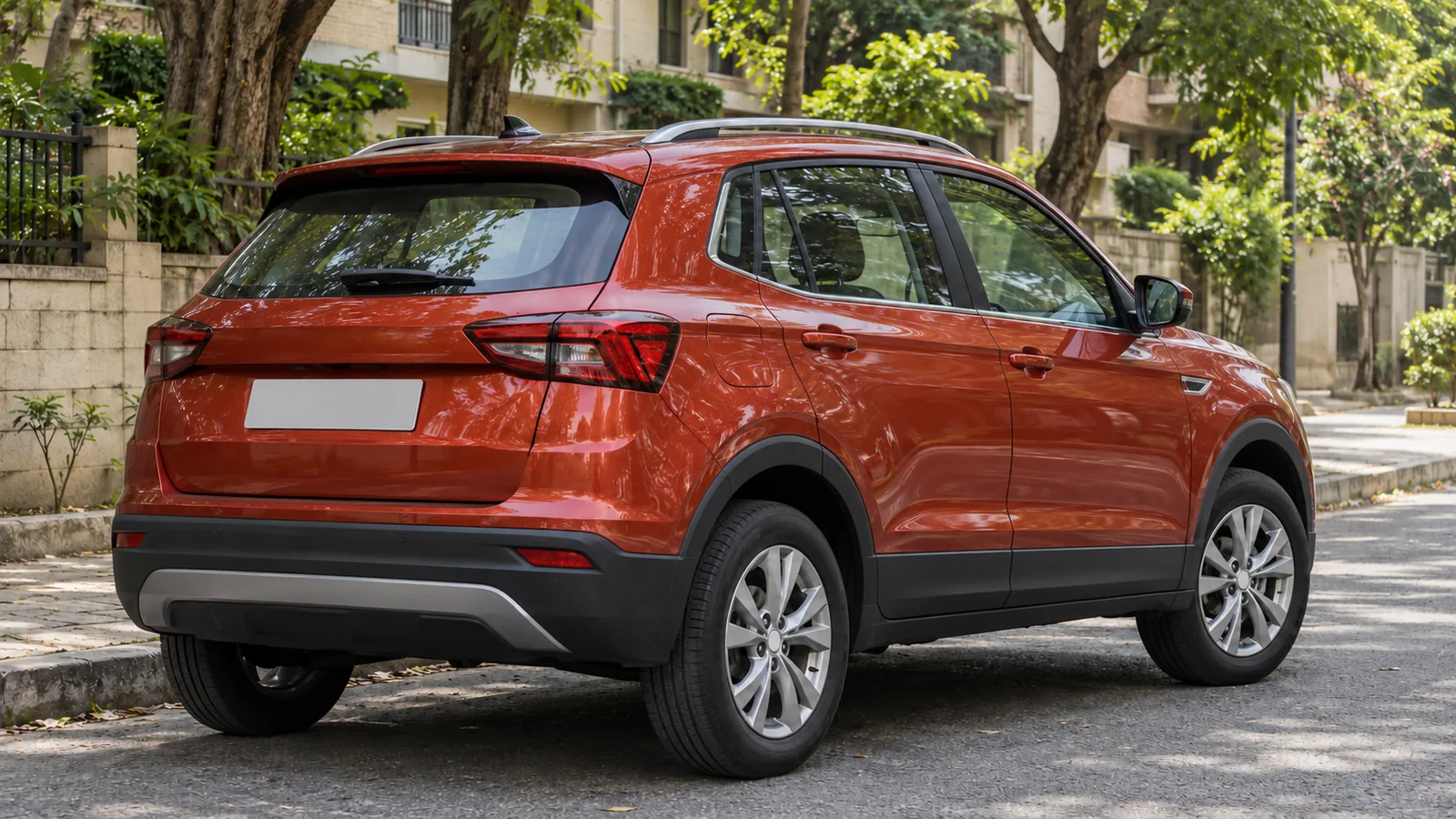
Cover illustration: a generic unbranded compact SUV on a Bengaluru residential road. It does not depict the Kushaq or an official Škoda vehicle design.
Kushaq 1.0 TSI automatic vs 1.5 TSI DSG: the core differences
Škoda's official launch specification gives the following figures:
| Item | 1.0 TSI automatic | 1.5 TSI DSG |
|---|---|---|
| Fuel | Turbocharged petrol | Turbocharged petrol |
| Published power | 85 kW | 110 kW |
| Published torque | 178 Nm | 250 Nm |
| Automatic transmission | Eight-speed torque converter | Seven-speed DSG |
The larger engine therefore brings higher published power and torque. The same release identifies Active Cylinder Technology and all-wheel disc brakes on the 1.5 TSI. Those are documented differences; their value to your routine is something to assess through a representative demonstration.
Make the test drives comparable
Start with the 1.0 TSI automatic and establish whether it meets your needs. Drive it on a route that includes your normal traffic conditions, parking manoeuvres and a suitable open-road section. Include the passengers who regularly travel with you where practical.
Then try the 1.5 TSI DSG under similar conditions. Compare how comfortably you can join traffic, respond to changing speeds and manoeuvre at low speed. Pay attention to accelerator response and how the transmission behaves at the pace you normally drive. A preference noticed on the same route is more useful than an assumption based on a gearbox badge.
If the 1.0 satisfies your requirements, keep it in contention while comparing equipment. If the 1.5 makes a meaningful difference to your driving experience, assess that preference against the complete purchase and ownership budget. Neither choice needs to be justified by a brochure number alone.
Check the budget before paying for the upgrade. Use AutoCred's eligibility checker to check an indicative eligible amount and estimated EMI before shortlisting a Kushaq automatic or visiting a dealer. Compare the indication with your preferred down payment and monthly comfort level.
Separate the engine upgrade from the equipment upgrade
Ask for quotations in a comparable trim wherever possible. Škoda's current range listing includes Prestige with both automatic powertrains, providing a useful starting point. Check each quotation's equipment and options so an engine comparison does not quietly become a comparison between different comfort packages.
Request the exact variant name, manufacturing details, insurance and accessory charges in writing. Use the price of that configuration rather than the overall range's advertised starting price when planning the purchase.
Read the ownership package carefully
The official Kushaq brochure's terms specify a standard warranty of four years or 100,000 km, whichever occurs first. They also clarify that the four scheduled free services cover labour charges only. Obtain the applicable coverage, service schedule and payable items for the car you order.
Choose the configuration you can comfortably own. Check your indicative eligibility and estimated EMI with AutoCred before finalising the shortlist or visiting the dealership. Results are indicative; final eligibility, rate, tenure and approval depend on the lender.