Toyota India's 3.42-Lakh Capacity: What Its 2026 Report Signals
Toyota Kirloskar Motor’s latest sustainability report provides a useful snapshot of the scale and direction of its Indian operations. The company lists installed production capacity of up to 3,42,000 vehicles a year across two plants at Bidadi, Karnataka, while describing a strategy that spans hybrids, battery-electric vehicles, hydrogen technologies and alternative fuels.
The figures come from Toyota’s official Sustainability Report 2026 announcement dated 29 September 2026. Installed capacity shows how much the manufacturing system is designed to produce under stated conditions; it is not the same as current output, wholesales, retail registrations or confirmed future demand. That distinction matters when assessing what the report signals for Toyota’s market performance in India.
Toyota India production capacity: how the 3.42-lakh figure is divided
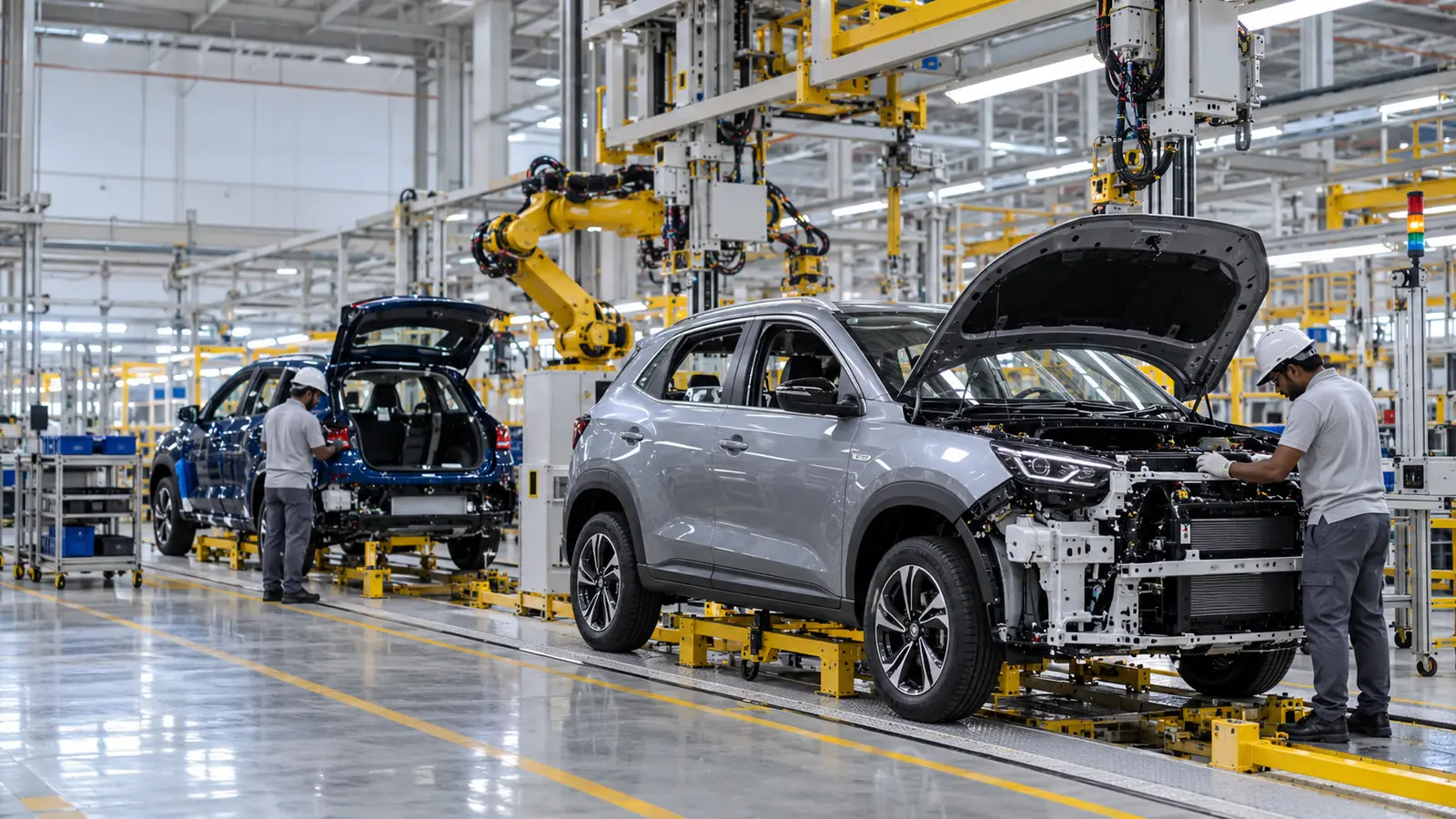
Toyota reports capacity of up to 1,32,000 units at its first Bidadi plant and up to 2,10,000 units at the second plant. Together, those numbers produce the stated total of up to 3,42,000 vehicles annually. The manufacturer’s plant overview says the first facility began production in December 1999, while the second began production in December 2010.
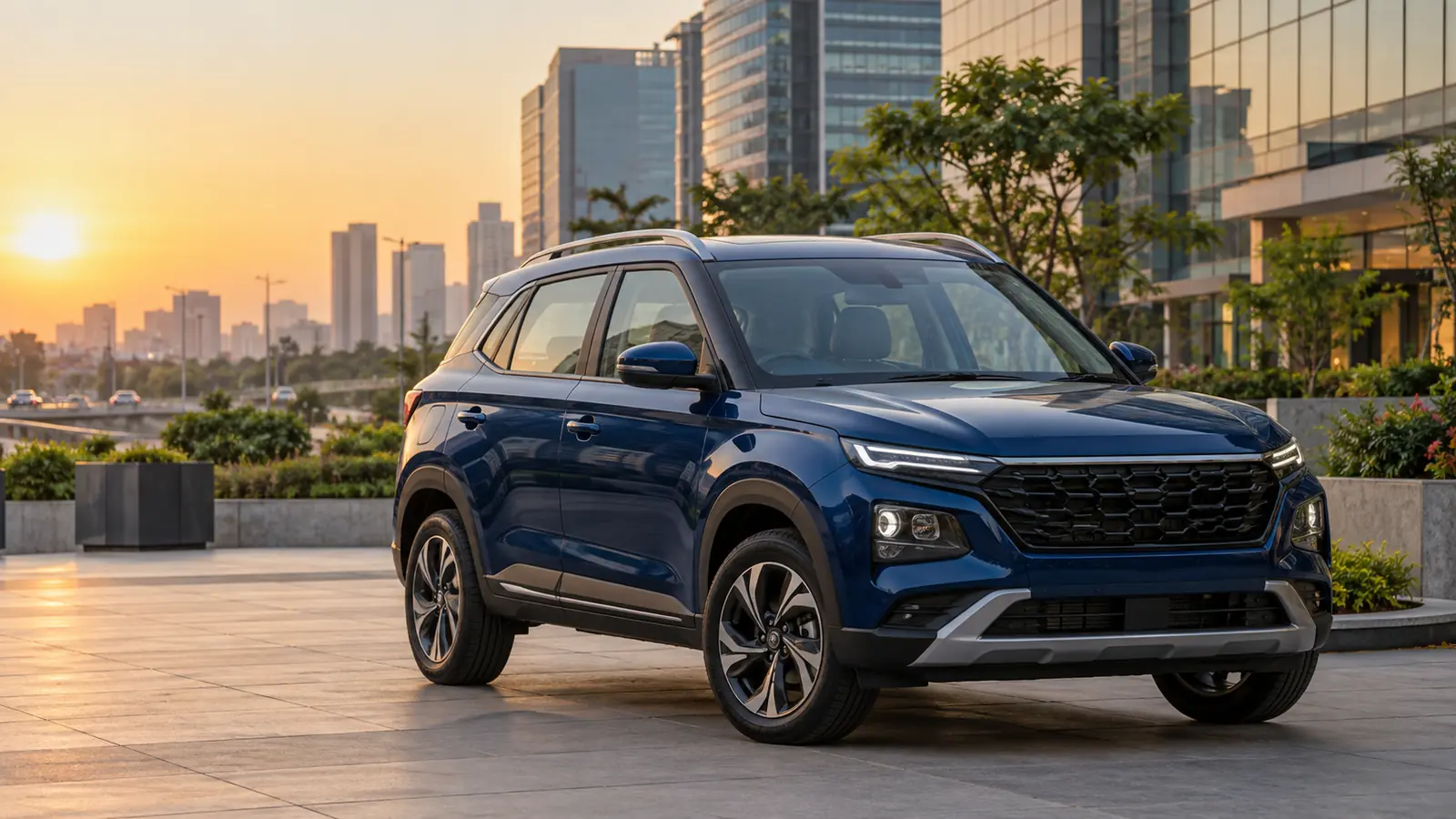
The first plant manufactures the Innova HyCross, Innova Crysta, Fortuner and Legender. The second plant manufactures the Camry Hybrid, Urban Cruiser Hyryder and Hilux. Toyota separately lists the Glanza, Rumion, Urban Cruiser Taisor and Urban Cruiser Ebella among its other Indian models, while the Vellfire and LC 300 are identified as completely built-up imports.
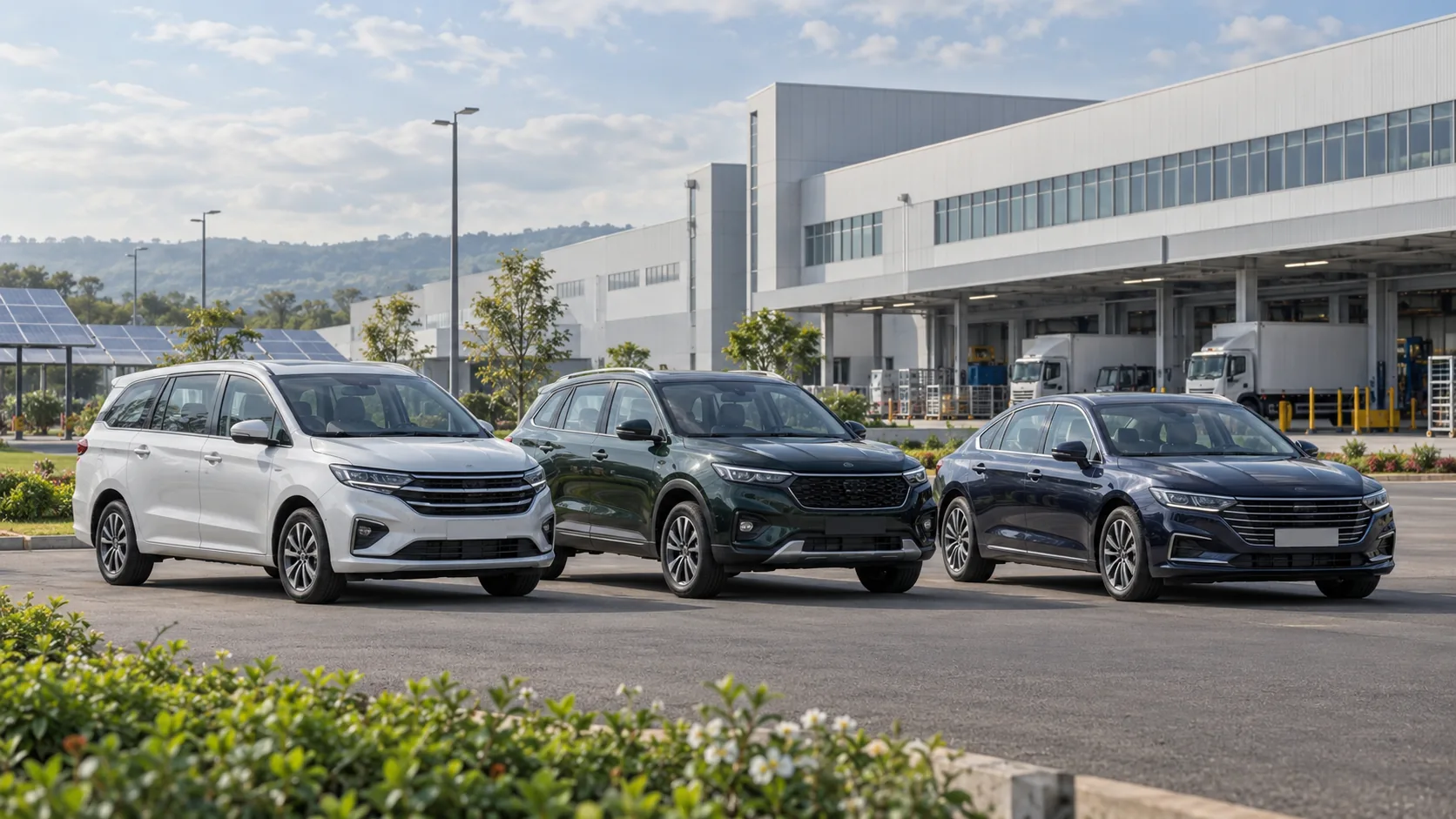
This allocation gives Toyota locally manufactured products across MPVs, SUVs, a pickup and a premium hybrid sedan. From a business perspective, that mix allows the company to serve several price and usage segments from the same manufacturing base. Buyers should still check the production origin, waiting period and current availability of the exact model and variant they are considering, because plant capacity alone does not reveal dealer stock or delivery timing.
What the capacity figure does and does not tell buyers
A capacity number is best read as operating headroom. It can support higher production when demand, components and model allocation are available, but it does not prove that every line is running at full utilisation. Toyota’s 29 September release does not publish plant utilisation, model-wise output, domestic-versus-export allocation or September sales in this announcement.
For customers, the practical evidence will come from dealership supply, variant availability, quoted waiting periods and future wholesale or registration data. A well-sized manufacturing base can help a company respond to demand, but delivery performance also depends on engines, batteries, semiconductors, logistics, supplier readiness and the mix of vehicles dealers require.
A multi-pathway strategy rather than one powertrain
Toyota says its India strategy follows a multi-pathway approach covering hybrid electric vehicles, battery-electric vehicles, hydrogen-powered technologies and alternative fuels. The company presents these technologies as different routes for reducing emissions across varied customer needs and operating conditions.
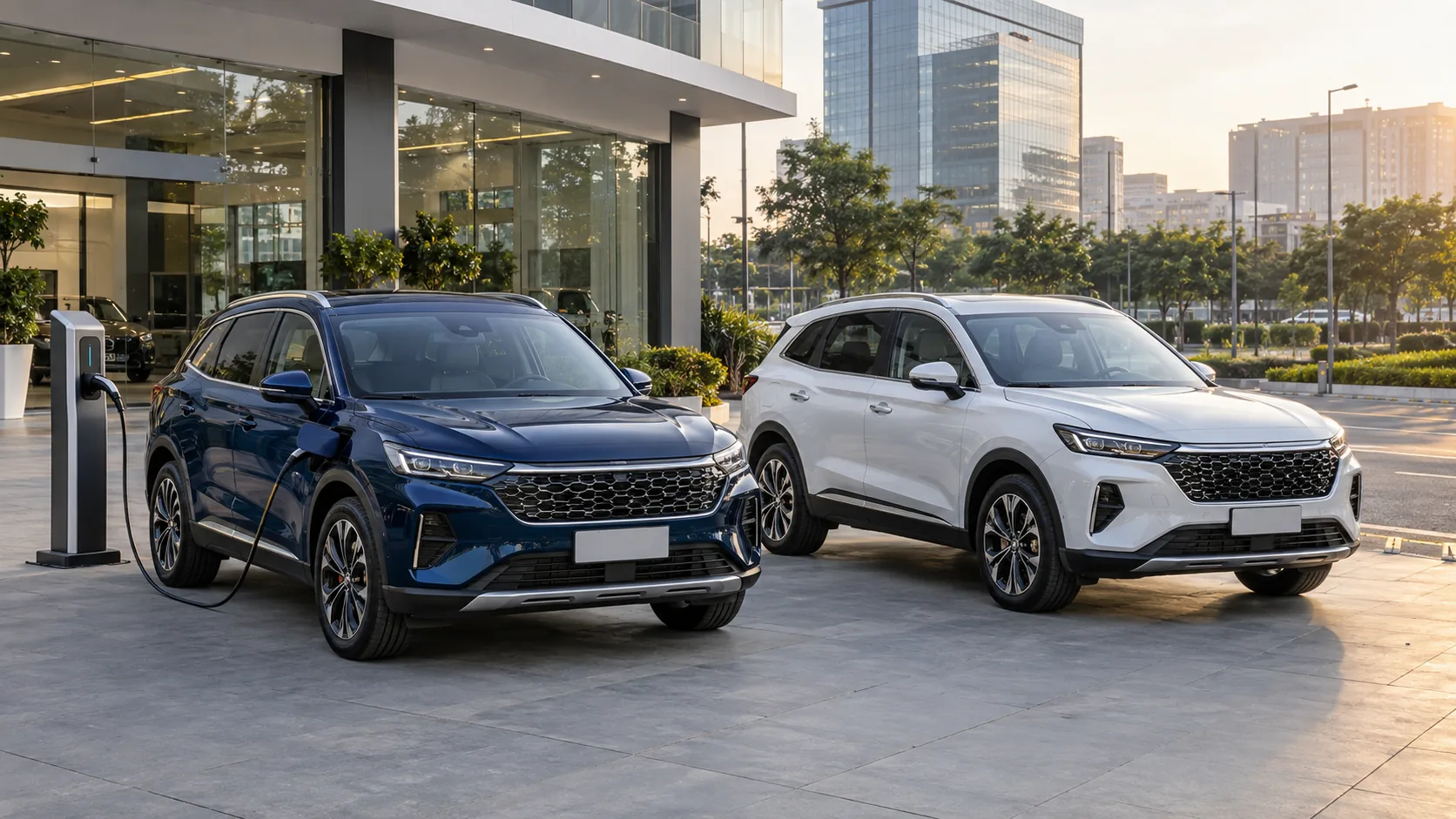
The same official release states that Toyota vehicles account for nearly 80% of hybrids sold in India. It also identifies the Urban Cruiser Ebella as Toyota’s first battery-electric vehicle in the country. Those are material strategic signals: Toyota continues to rely heavily on hybrids while adding a dedicated battery-electric option to its Indian portfolio.
Buyers should treat powertrain labels as the beginning of a comparison, not the conclusion. A strong hybrid, battery EV, petrol vehicle or another alternative can suit different patterns of daily distance, charging access, highway use and ownership duration. Compare the complete on-road cost, warranty terms, expected energy or fuel use, service access, usable space and real test-drive experience for the exact variant.
Why Toyota’s hybrid position matters
The nearly 80% hybrid-share claim indicates that Toyota currently holds a substantial position within India’s hybrid market. It does not mean hybrids represent 80% of all Indian passenger-vehicle sales, and the release does not provide the underlying unit total or period used for the calculation. Readers should therefore avoid converting the percentage into an unsupported sales estimate.
Strategically, hybrid demand can support models such as the Innova HyCross, Urban Cruiser Hyryder and Camry Hybrid listed in Toyota’s production overview. The buyer implication is more practical: ask for the precise powertrain, certified efficiency figure, battery warranty and variant equipment in writing. A model name may include petrol and hybrid versions with different prices and ownership economics.
The Urban Cruiser Ebella adds a battery-electric route
Toyota describes the Urban Cruiser Ebella as its first BEV in India, but the sustainability announcement is not a complete buying guide. It does not contain a full price list, variant specifications, charging curve, real-world range, delivery schedule or city-wise allocation. Those details should come from the model’s official product material and dealership quotation rather than assumptions based on the sustainability report.
For an EV shopper, the most useful checks include home-charging feasibility, connector and public-network compatibility, battery and vehicle warranty, highway charging on regular routes, insurance, tyre replacement costs and how range changes with speed, climate control and passenger load. Finance planning should include the full on-road amount and any charger or installation costs shown in the written quotation.
Manufacturing sustainability indicators in the report
Toyota says its manufacturing facilities have operated on 100% renewable electricity for five consecutive years, eliminating Scope 2 emissions from manufacturing operations. Since FY2012-13, the company reports avoiding more than 5,94,000 tonnes of carbon-dioxide emissions, recycling more than 95% of manufacturing waste and meeting over 90% of its water needs through recycling and rainwater harvesting. Each of these figures is reported in the Toyota Sustainability Report 2026 announcement.
These measures relate to operational sustainability and should not be confused with a vehicle’s certified fuel economy, tailpipe emissions or lifecycle footprint. They do, however, show concrete actions within manufacturing: renewable power, waste recovery and water reuse. Future reports can be used to track whether Toyota maintains or improves these indicators as production and its product mix evolve.
People, training and the scale of the Indian operation
The report lists 6,662 employees at Toyota Kirloskar Motor. It also says Toyota’s training institute and partnerships with more than 120 Industrial Training Institutes and over 30 Government Tool Room and Training Centres have trained more than 1,40,000 young people. Toyota reports community-development spending of more than ₹1,047 million in FY2025-26 and says its initiatives have reached more than 7.4 million people since inception.
Workforce and skill development matter to manufacturing performance because product quality, maintenance, supplier capability and process improvement depend on trained people. The release does not translate these programmes into a model-specific quality or service guarantee, so buyers should continue to assess local dealership and service-centre performance directly.
What to watch in Toyota India’s next performance updates
- Actual monthly and quarterly wholesales compared with the stated 3,42,000-unit installed capacity.
- Model-wise supply and waiting periods across the two Bidadi plants.
- The sales contribution of hybrids and the Urban Cruiser Ebella after wider availability.
- Any official capacity expansion, supplier localisation or new-model allocation.
- Progress on renewable electricity, water reuse, waste recovery and reported emissions.
- Dealer and service coverage as the powertrain portfolio becomes more varied.
What the 2026 report signals
Toyota’s Indian operation combines meaningful manufacturing scale with a deliberately broad powertrain strategy. Capacity of up to 3,42,000 units gives the company a sizeable local base, while its hybrid position and first Indian BEV show that future growth is not tied to a single technology.
The next test is execution. Buyers and market observers should track whether capacity translates into dependable supply, whether electrified models reach enough customers at competitive on-road prices and whether the company’s sustainability indicators continue improving. The report provides direction and operating context; current sales releases, product brochures and written dealer quotations remain essential for a purchase decision.
Check indicative eligibility before selecting a variant
When comparing a Toyota or any other new car, check your indicative eligible loan amount and estimated EMI with AutoCred before shortlisting a variant or paying a booking amount. This can help align the on-road price, down payment and monthly commitment before you visit the showroom. Results are indicative; final eligibility, interest rate, tenure, documentation and approval remain subject to the lender’s verification and policy.
Primary source: Toyota Kirloskar Motor — Sustainability Report 2026 announcement, 29 September 2026. Accessed 1 October 2026.