Tata Motors Passenger Vehicles July 2026 Sales Analysis: Analyzing the 59% Year-on-Year Growth
On August 1, 2026, Tata Motors Passenger Vehicles Ltd. announced its sales results for July 2026, reporting total sales of 63,760 units across both domestic and international markets. This performance represents a 59% year-on-year growth compared to the 40,175 units recorded in July 2025, as detailed in the official Tata Motors July 2026 Sales Release. The data highlights a strong upward trajectory for the manufacturer, driven by robust domestic demand and a significant acceleration in electric vehicle (EV) adoption.
Strong Domestic Sales Performance
The primary driver of Tata Motors' growth in July 2026 was its domestic passenger vehicle segment. Domestic wholesales reached 62,611 units, marking a 58% increase over the 39,521 units sold in July 2025, according to the July 2026 Press Release. This consistent demand follows a steady performance pattern observed earlier in the year. For instance, in May 2026, the company recorded domestic sales of 59,090 units (May 2026 Sales Release), while February 2026 saw domestic sales of 62,329 units (February 2026 Sales Release). Earlier in January 2026, domestic sales had peaked at 70,222 units (January 2026 Sales Release). The July figures indicate that the company has maintained a stable monthly volume of over 60,000 domestic units, reinforcing its market position.
Accelerated Electric Vehicle Adoption
A standout highlight of the July 2026 sales report is the performance of the electric vehicle segment, which includes sales from Tata Passenger Electric Mobility Limited. Combined domestic and international EV sales reached 15,217 units in July 2026, representing a 114% increase compared to the 7,124 units sold in July 2025 (July 2026 Press Release). This represents a substantial increase from previous months in 2026. EV sales stood at 10,517 units in May 2026 (May 2026 Sales Release), 8,385 units in February 2026 (February 2026 Sales Release), and 9,052 units in January 2026 (January 2026 Sales Release). While the manufacturer continues to expand its EV lineup, buyers should note that advertised range, charging speeds, and overall performance are based on manufacturer testing, and actual real-world results will vary based on driving conditions, charging infrastructure, and individual usage patterns.
International Business and Export Trends
Tata Motors' International Business (IB) segment also registered positive growth in July 2026. Passenger vehicle exports stood at 1,149 units, representing a 76% increase compared to the 654 units exported in July 2025 (July 2026 Press Release). This export volume shows a recovery compared to May 2026, when international business sales were recorded at 700 units (May 2026 Sales Release), and January 2026, which saw 844 units exported (January 2026 Sales Release). The steady rise in export volumes suggests a gradual expansion of the brand's footprint in international markets, complementing its strong domestic foundation.
Corporate Restructuring and Strategic Context
The sustained growth in 2026 follows a significant corporate transition. Effective October 13, 2025, the name of the entity was officially changed from Tata Motors Limited to Tata Motors Passenger Vehicles Limited, following a Composite Scheme of Arrangement sanctioned by the National Court Law Tribunal, Mumbai Bench (July 2026 Press Release). This restructuring was designed to streamline the passenger vehicle and electric mobility businesses under a dedicated corporate structure, allowing for sharper operational focus. The subsequent sales performance throughout 2026 indicates that the restructured entity has successfully maintained its market momentum.
Financing Implications for New Car Buyers
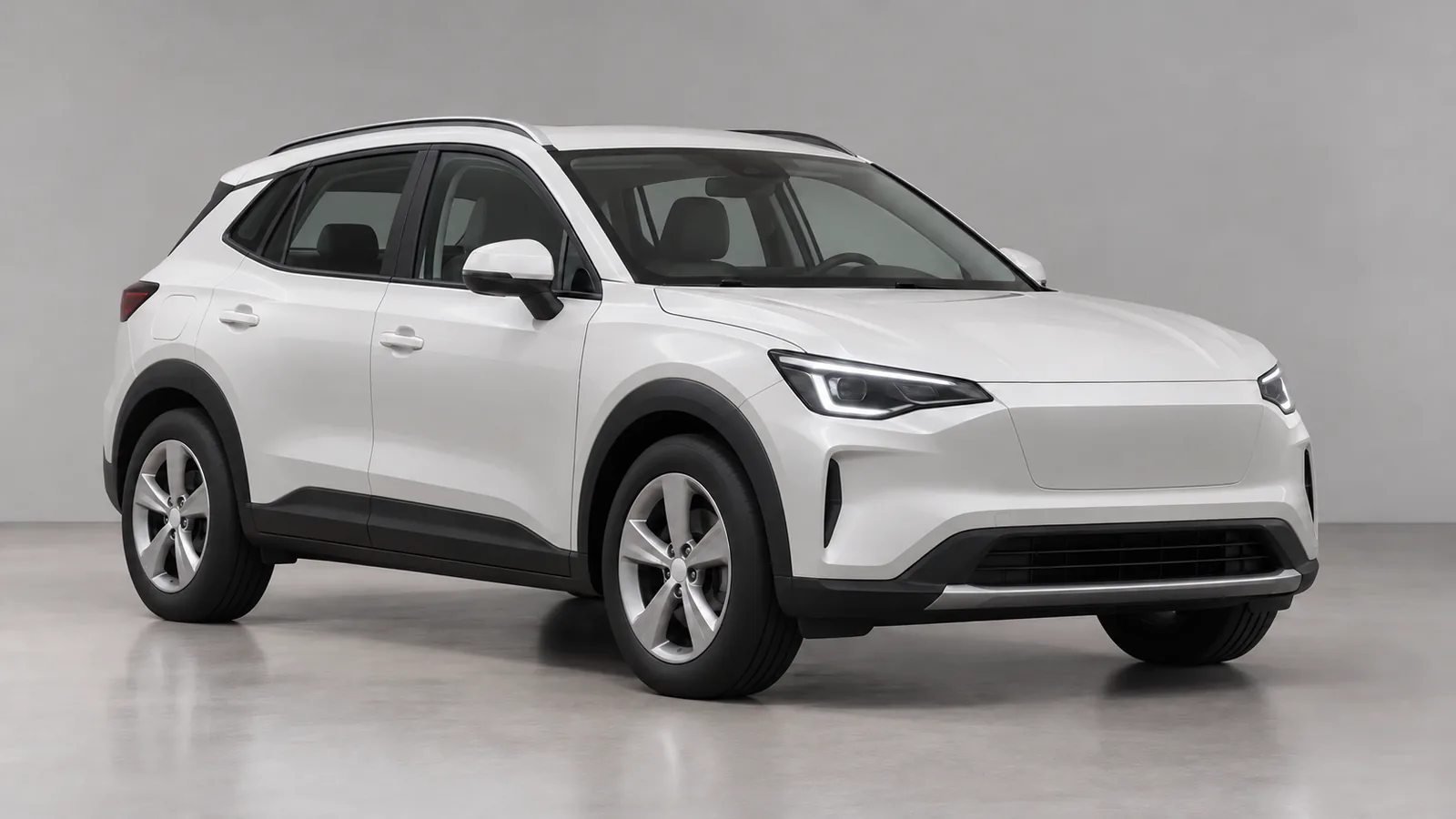
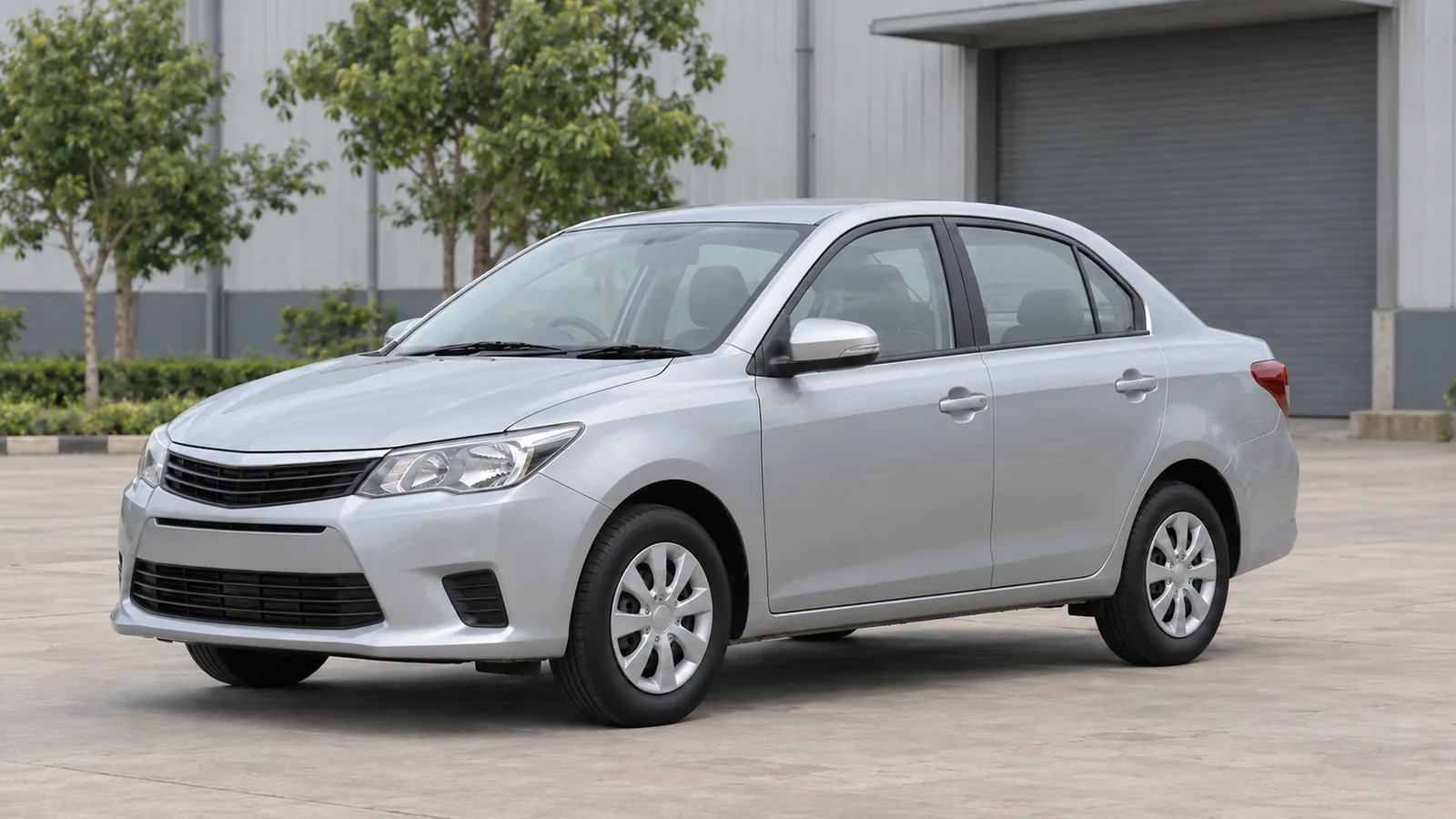
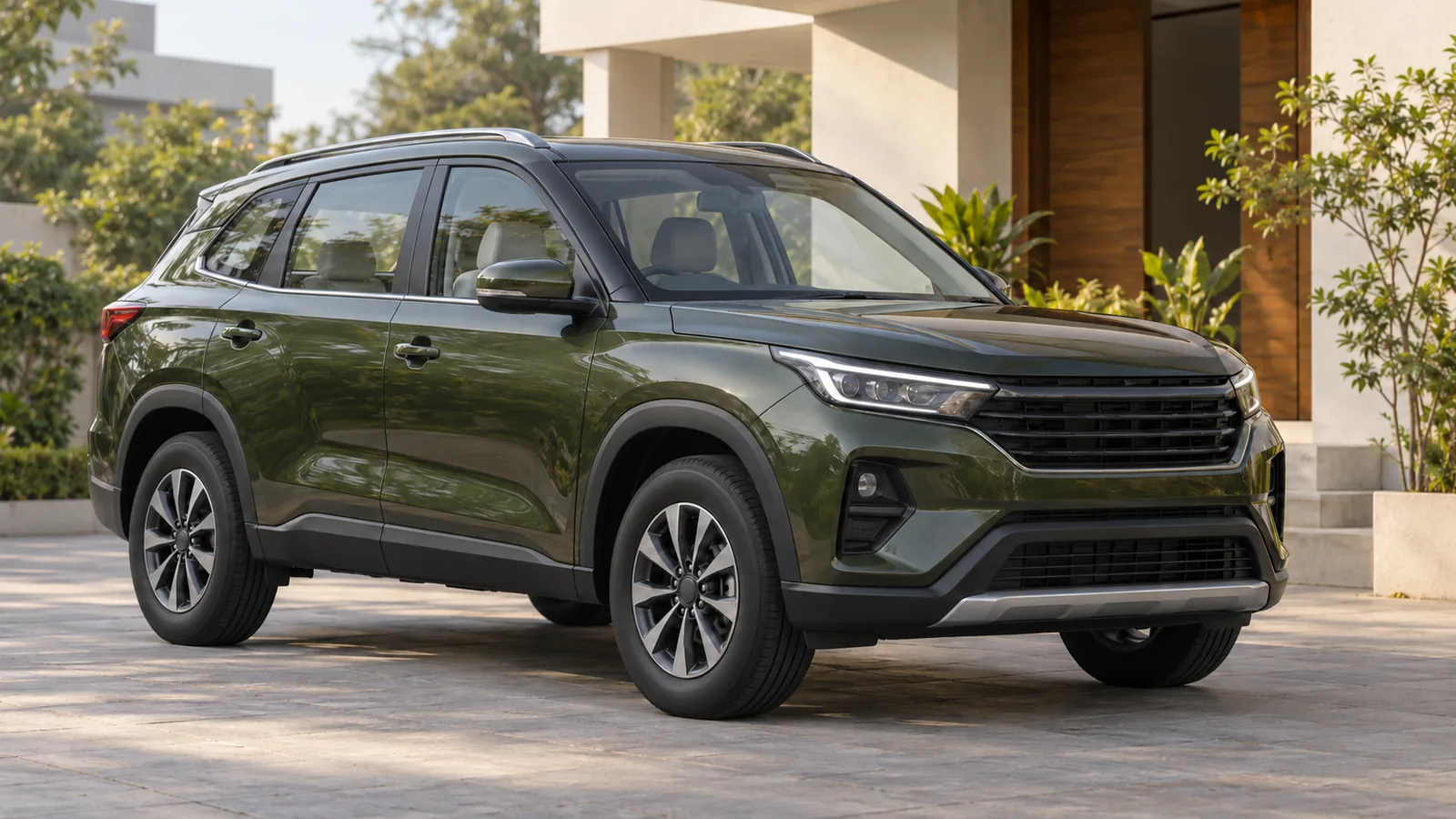
With Tata Motors offering a diverse multi-powertrain portfolio across hatchbacks, sedans, and SUVs, prospective buyers have multiple options to consider. For those planning to purchase a new vehicle, evaluating financing options early in the decision-making process is highly recommended. You can perform a quick car loan eligibility check to estimate your potential borrowing capacity based on current market rates.
To assess your purchasing power, you can check your indicative eligibility here: Check Car Loan Eligibility. Please note that any eligibility results generated are strictly indicative, and final loan approval remains subject to the terms, conditions, and credit assessments of the respective lending institutions.
Sources:
• Tata Motors Passenger Vehicles Ltd. July 2026 Sales: Official Press Release
• Tata Motors Passenger Vehicles Ltd. May 2026 Sales: Official Press Release
• Tata Motors Passenger Vehicles Ltd. February 2026 Sales: Official Press Release
• Tata Motors Passenger Vehicles Ltd. January 2026 Sales: Official Press Release