India Car Retail Hits Record 4.27 Lakh in September 2026: Buyer Takeaways
India's passenger vehicle market recorded its strongest September retail performance in 2026. The Federation of Automobile Dealers Associations (FADA) reported 4,27,213 passenger vehicle registrations for the month, up 32.10% year on year and 6.17% from August. The headline points to strong festive demand, but buyers should read it alongside the unusually low comparison base and a rise in stock at dealerships.
This analysis uses FADA's official September 2026 vehicle retail report, released on 6 October 2026. It explains what the record means for availability, fuel choices, quotations and the timing of a purchase.
September 2026 passenger vehicle retail at a glance
FADA's report puts total vehicle retail across all segments at 25,36,920 units in September, a 31.82% year-on-year increase and a 4.69% month-on-month rise. Passenger vehicles accounted for 4,27,213 registrations and set a new September high. Urban passenger vehicle retail grew 32.11% year on year, while rural retail rose 32.09%, showing that the month's growth was distributed almost evenly across both markets.
The half-year trend also supports the view that demand improved beyond a single festival month. FADA recorded 25,44,187 passenger vehicle registrations from April to September 2026, compared with 20,43,813 in the same period a year earlier, an increase of 24.48%.
Why the 32% growth figure needs context
FADA cautioned that September's year-on-year comparison was amplified by a weak base. In September 2025, many buyers had postponed deliveries ahead of GST 2.0 taking effect on 22 September. The association said the underlying first-five-month growth rate, excluding that distorted comparison, was about 17% across vehicle categories. That remains healthy, but it is a better guide to the market's underlying pace than the headline percentage alone.
The distinction also matters because retail registrations are different from manufacturer dispatches. Wholesale data records vehicles sent to dealers, while FADA's retail data tracks registrations completed for buyers. Retail therefore gives shoppers a clearer view of delivered demand, while dealer inventory shows how much unsold stock remains available.
Petrol falls to 41.27% as alternative powertrains gain ground
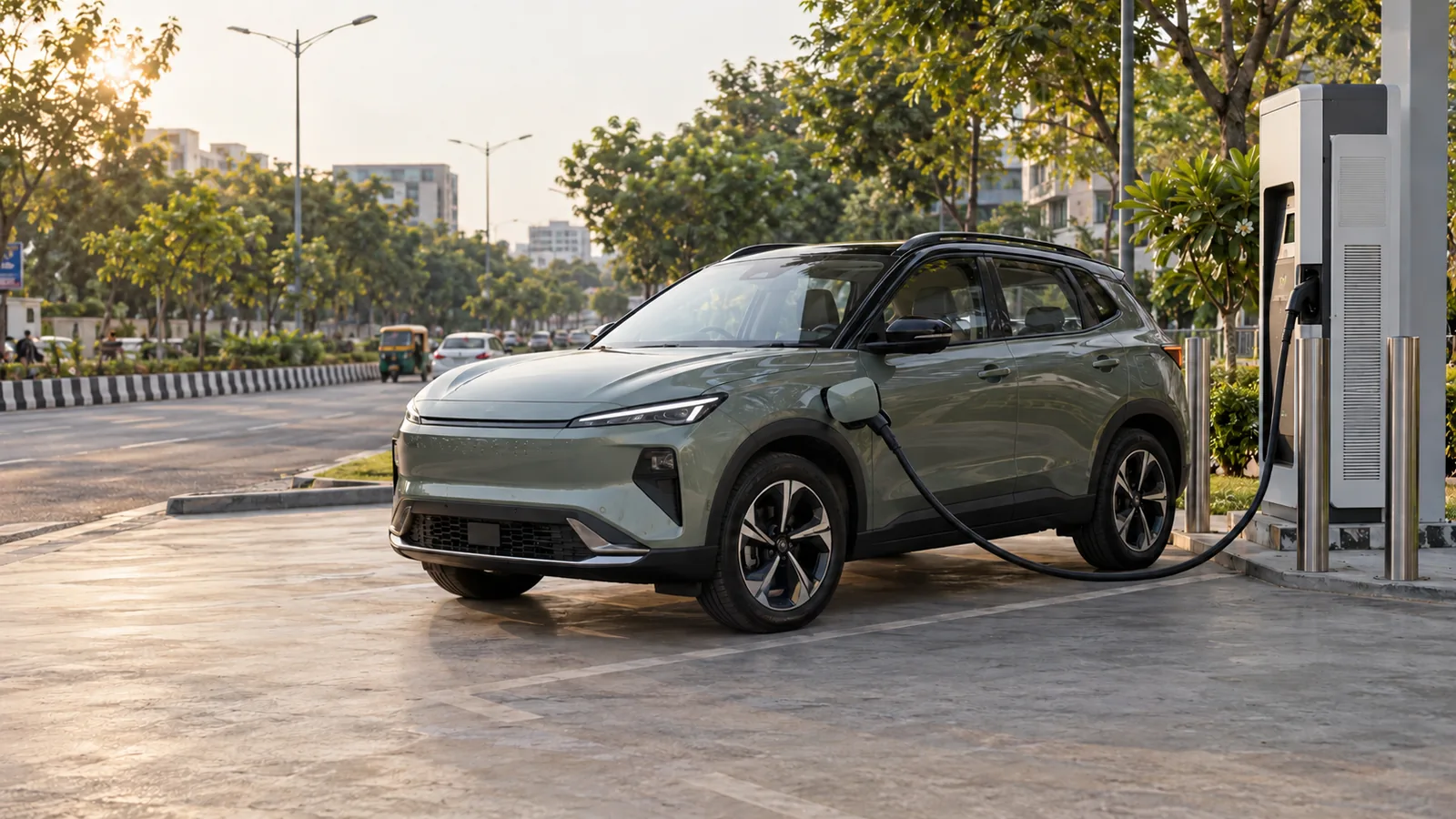
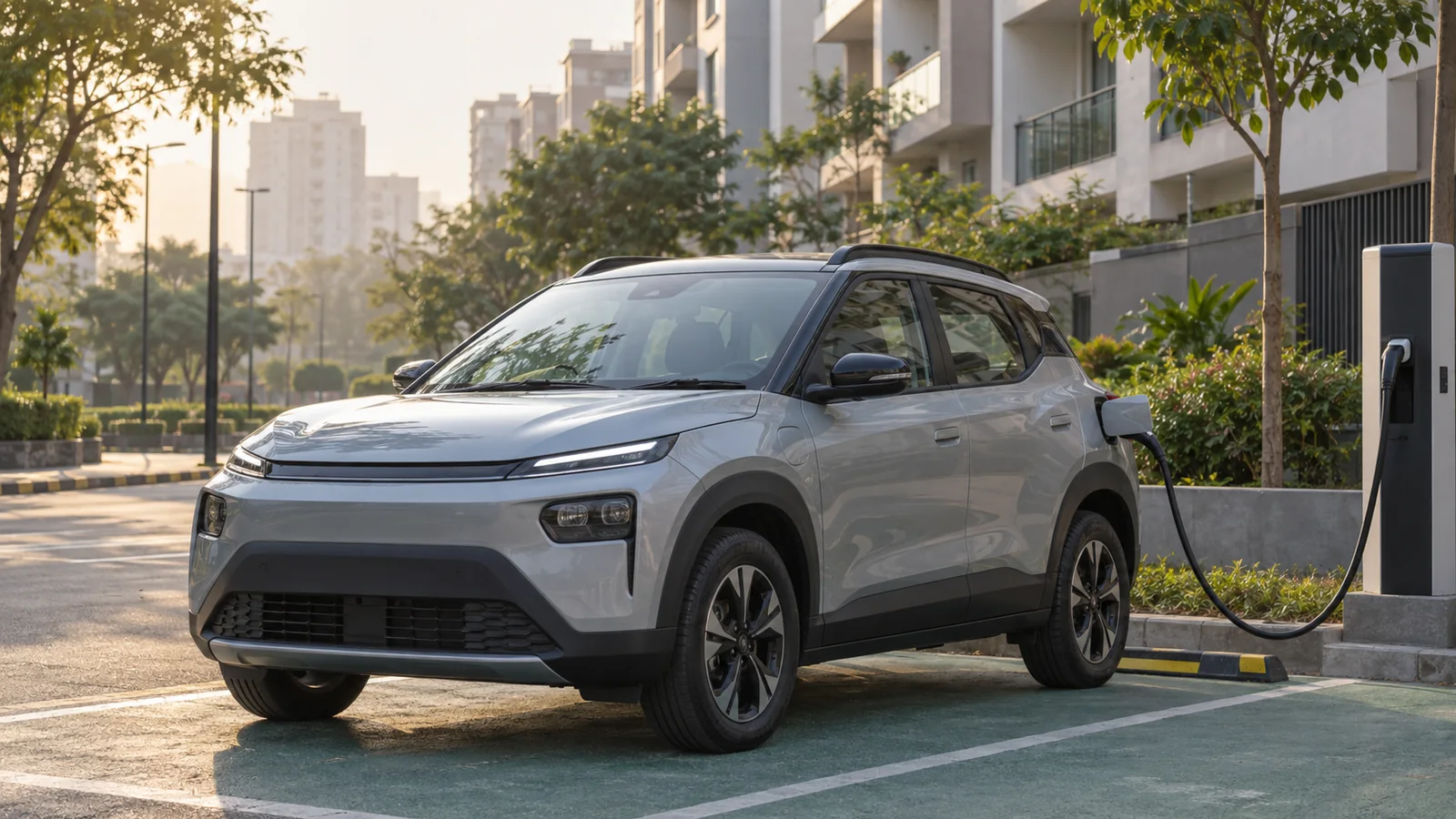
September's fuel mix is one of the most useful signals for a buyer. According to the official FADA dataset, petrol and ethanol models represented 41.27% of passenger vehicle retail. CNG and LPG together reached 23.11%, diesel held 17.74%, hybrids accounted for 9.44% and battery-electric vehicles reached 8.45%.
Combined, CNG/LPG, hybrid and electric models made up 41.00% of passenger vehicle registrations, almost level with petrol. That does not make one fuel type universally better. It shows that buyers now have meaningful demand and product choice outside conventional petrol and diesel cars.
- Petrol: often the simplest option for moderate annual use and buyers who want a wide model choice.
- CNG: can lower running costs when a suitable model and dependable filling network are available, but boot space and queue time should be checked.
- Hybrid: may suit frequent city driving without dependence on external charging, though the purchase premium needs to be compared with expected fuel savings.
- Electric: works best when home or workplace charging is reliable and regular routes fit comfortably within real-world range.
- Diesel: can remain relevant for high-distance use or specific larger vehicles, subject to local rules and the buyer's ownership horizon.
Higher dealer inventory may improve choice
FADA estimated passenger vehicle inventory at around 43 to 45 days at the end of September, about five days higher than in August. It also reported that 60% of passenger vehicle dealers saw stock levels rise as they prepared for the festive period. The association continued to recommend a 21-day inventory benchmark.
For shoppers, more stock can mean a better chance of finding a preferred variant or colour without a long wait. It can also give dealers more reason to discuss exchange support, accessories, insurance or financing. However, an inventory increase does not guarantee a cash discount on every model. High-demand variants may still have limited supply, and offers can differ by city, production month and dealer.
Ask for an itemised on-road quotation from at least two authorised dealerships. Separate the ex-showroom price, registration, insurance, accessories, extended warranty, service package, exchange value and any finance-linked benefit. A large headline offer can become less attractive if it depends on expensive insurance or accessories that you do not need.
Check the manufacturing month before accepting delivery
When dealer stock rises, the age of the vehicle becomes more important. Confirm the manufacturing month and decode the Vehicle Identification Number before making the final payment. Inspect the odometer, tyres, battery condition, paint, glass, lights, electronics and fluid levels during a pre-delivery inspection.
An older vehicle is not automatically a poor purchase, but its age should be transparent and reflected in the deal. Ask when the manufacturer's warranty starts, whether the car has been used for display or test drives and whether any storage-related work has been performed. Record agreed accessories, discounts and delivery condition on the booking form or invoice.
Does record retail mean waiting periods will rise?
Not necessarily. Strong registrations show that many deliveries were completed, while the 43–45-day inventory estimate suggests that the market also had substantial stock. Waiting periods will still vary by model, powertrain, variant and location. A newly launched automatic or popular colour may be constrained even when the broader market has ample supply.
Ask the dealer to provide a written allocation or chassis number and a realistic delivery date. Avoid making plans around a verbal promise. If delivery timing matters, compare an in-stock variant with a factory order and decide whether the feature or colour difference is worth the wait.
What September's data means for car buyers
The market is giving buyers two signals at the same time. Demand is strong across urban and rural India, while dealer inventory is above FADA's preferred level. That combination can support wider choice and more competitive quotations, particularly for models with multiple units in stock. It can also encourage dealers to close transactions before the festive period ends.
Buyers should still avoid rushing because of a “today only” claim. Compare the final payable amount, loan cost, expected running cost and resale considerations. For electrified cars, verify charging access and warranty terms. For CNG, check boot usability and fuel availability. For hybrids, calculate whether the efficiency benefit reasonably offsets the purchase premium for your annual kilometres.
A practical quotation checklist
- Compare the same variant, colour and manufacturing month across dealers.
- Ask for the complete on-road amount with every compulsory and optional charge separated.
- Check whether a discount depends on dealer finance, exchange, corporate eligibility or a scrappage certificate.
- Compare the loan's annual interest rate, processing fee, tenure, foreclosure terms and total repayment.
- Verify the manufacturer's warranty start date and the exact coverage of any extended plan.
- Complete a pre-delivery inspection before registration and final payment.
Should you buy now or wait?
September's record registrations show that the Indian passenger vehicle market entered the festive period with broad demand. The rise in dealer inventory may help buyers who want near-term delivery or a better choice of available variants. The right decision still depends on whether the exact car, quotation and ownership cost suit your needs.
Shortlist two or three suitable models, obtain itemised quotations and test drive the exact powertrain you plan to buy. Then use AutoCred's loan eligibility checker to see an indicative eligible amount and estimated EMI before shortlisting further or visiting a dealer. Results are indicative; final eligibility, interest rate, tenure and approval depend on the lender.
Source: FADA's September 2026 Vehicle Retail Data, released 6 October 2026. FADA states that the dataset was collated with the Ministry of Road Transport and Highways as of 3 October 2026 and covered 1,468 of 1,469 RTOs. Retail figures, fuel shares and inventory estimates should be read as market-level indicators; individual model availability and offers vary by dealer and location.