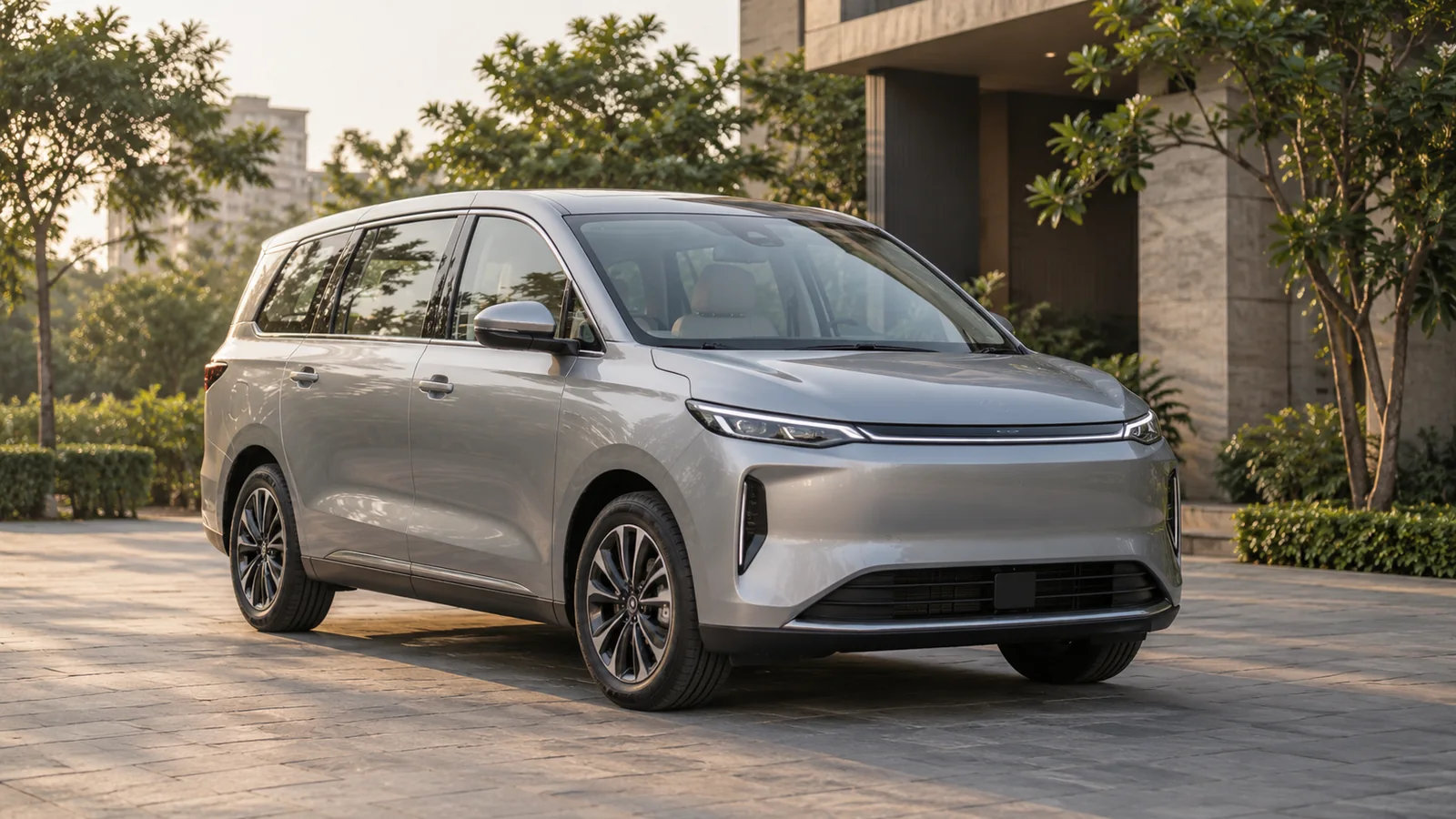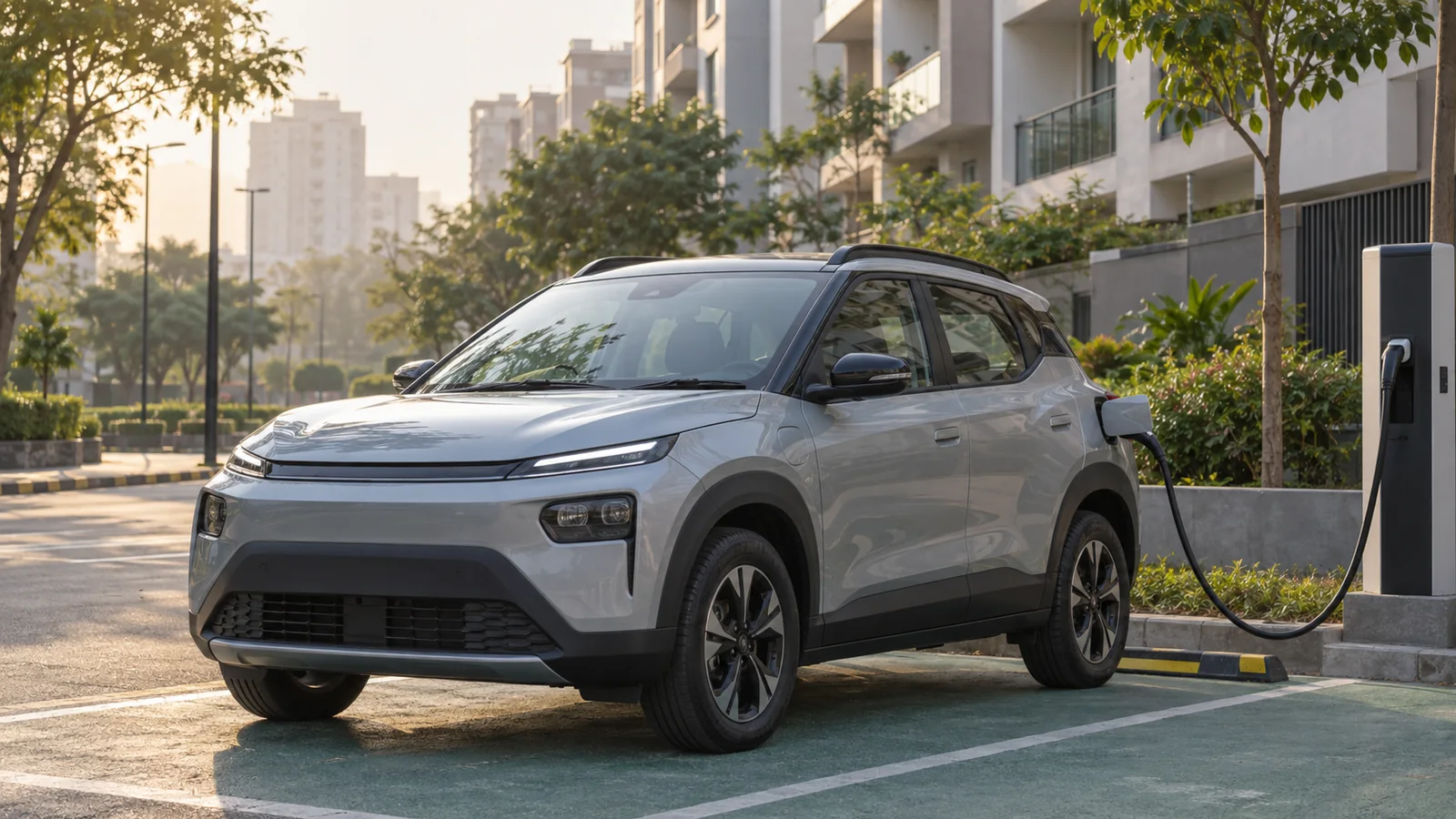
Citroën ë-C3X Extended India Buyer Guide: 330 km Range and BaaS Explained
The Citroën ë-C3X Extended adds a longer certified range to the brand's compact electric-car line-up, while retaining a choice between conventional purchase pricing and a Battery-as-a-Service structure. Citroën says the updated version can travel up to 330 km on the MIDC-I/II cycle, and its current India model page also describes that figure as ARAI-certified. For city users who can charge predictably, the improvement could make the car easier to live with. The important question is how the advertised range and BaaS price translate into your total monthly cost.
This buyer guide uses Citroën India's official product and launch information, then sets out the checks that matter before you compare a quotation or apply for finance.
Citroën ë-C3X Extended price: two numbers to understand
Citroën's official September 2026 announcement lists an introductory BaaS price starting at ₹6.99 lakh plus a battery charge of ₹2.26 per kilometre. This is a split-cost structure: the lower vehicle price does not include outright ownership of the battery in the same way as a conventional purchase, and the usage-linked battery payment continues under the BaaS agreement.
The manufacturer's current India offers page, checked on 6 October 2026, separately advertises the ë-C3X range from ₹10.49 lakh and says the offer applies to limited stock through 31 October 2026. These headline figures describe different payment routes and may also depend on variant, location and programme terms. Ask the dealer for two itemised quotations on the same variant: one with the battery included in the normal vehicle price and another under BaaS.
For the BaaS quote, request the agreement before paying. Check the minimum monthly distance, billing method, taxes, escalation clauses, tenure, battery warranty, early-exit charge, transfer process when selling the car and what happens if actual use is below or above the chosen plan. A low entry price is useful only when the full contract suits your driving pattern.
What the 330 km certified range means
The 330 km figure is a laboratory-certified range, not a guaranteed result for every owner. Real-world distance varies with speed, traffic, air-conditioning, gradients, weather, passenger load, tyre pressure and driving style. Buyers should build a reserve into daily planning and judge the car against their longest regular round trip rather than an occasional ideal-case journey.
Start by tracking one normal week of driving. Include office travel, school runs, errands and any unplanned detours. Then confirm whether you can complete that pattern while keeping a comfortable battery buffer. Apartment residents should obtain written permission for a private charger and confirm electrical load, cable routing and installation cost before booking the car.
Charging time and route planning
The official ë-C3X product page states that DC fast charging can take the battery from 10% to 80% in 57 minutes. Actual time depends on charger output, battery temperature, starting charge level and whether the station is delivering its rated power. The fastest advertised time should therefore be treated as a suitable-condition benchmark.
Ask the dealer to specify the supplied portable or wall charger, the supported AC input, installation scope and expected charging time at your home connection. For highway travel, identify working chargers on both the outward and return routes and keep an alternative location. Public charging cost, parking fees and the time spent waiting should be included in the ownership comparison.
Performance and everyday usability
Citroën lists the electric motor at 57 PS and 143 Nm, paired with a single-speed automatic transmission. These figures point to an urban-first use case rather than high-performance positioning. A test drive should include a flyover, a quick merge and a section with several passengers so you can judge acceleration, brake feel and ride quality under conditions close to your own.
The official page quotes a 2,540 mm wheelbase, 1,378 mm of rear shoulder room and 991 mm of front headroom. Those dimensions are useful indicators, but seat comfort depends on posture, cushion support and how easily passengers enter and exit. Take all regular occupants to the showroom and inspect boot space with the items you actually carry.
Variants differ more than the headline range suggests
Citroën lists Live, Live (O) and Shine equipment levels. The basic versions include two front airbags, ABS with EBD, rear parking sensors and seat-belt reminders. The listed Shine equipment expands to six airbags, ISOFIX child-seat anchorage, a rear-view camera, LED projector headlamps, a 10.25-inch touchscreen, wireless Apple CarPlay and Android Auto, a 7-inch digital instrument display, wireless phone charging and connected-car functions.
Feature availability can change by production batch and option pack. Do not assume that equipment shown at the top of the product page is standard on the lowest advertised price. Match the quotation's exact variant name and manufacturing month to the dealer's feature sheet, and ask for missing features to be marked in writing.
How to compare BaaS with an outright-battery purchase
Build two ownership worksheets over the number of years you expect to keep the car. For the normal purchase, include down payment, loan EMI, insurance, charging, maintenance and expected resale value. For BaaS, include the same items plus every battery-related payment in the contract. Use your own annual kilometres rather than a generic average.
BaaS may appeal to buyers who want a lower initial vehicle price and are comfortable with a continuing usage-linked payment. A conventional purchase can be easier to understand because the battery cost is included upfront. The better option depends on total payments over your ownership period, contract flexibility and how a future buyer or financier will treat the remaining BaaS obligation.
Questions to ask before booking
- Is the quote for BaaS or for a vehicle with the battery included?
- What is the exact on-road price, including insurance, registration, charger and installation?
- Which variant and production month will be delivered?
- What minimum usage, tenure, escalation and exit conditions apply to BaaS?
- How are battery warranty, degradation and replacement handled?
- Where are the nearest authorised EV workshop and dependable public fast charger?
- How does the BaaS contract transfer if the car is sold?
Should you shortlist the ë-C3X Extended?
The ë-C3X Extended is most relevant to urban buyers who value a compact footprint, can arrange reliable home charging and find 330 km of certified range suitable for their weekly routine. The expanded range can reduce charging frequency, while BaaS creates a lower-entry-price route for buyers willing to manage an additional contract.
Before deciding, test the exact variant, compare both payment routes over your planned ownership period and verify charging at home. Then use AutoCred's loan eligibility checker to check an indicative eligible amount and estimated EMI before shortlisting or visiting a dealer. Results are indicative; final eligibility, interest rate, tenure and approval depend on the lender.
Sources: Citroën India portfolio-expansion release for certified range, introductory BaaS pricing and availability; official ë-C3X product page for charging, motor, dimensions and listed equipment; and Citroën India offers page for the current advertised starting price and validity. Prices, offers and programme terms were checked on 6 October 2026 and should be reconfirmed with an authorised dealer.