Volvo EX30 India: Compact SUV Space and Parking Buyer Guide
A compact electric SUV should make everyday life easier, but a smaller body does not automatically settle questions about parking, passenger comfort or luggage. Volvo's current Indian EX30 product page and official specification sheet provide a useful basis for a practical assessment. This guide examines the published model information, rather than claiming a fresh launch or a new price announcement today.
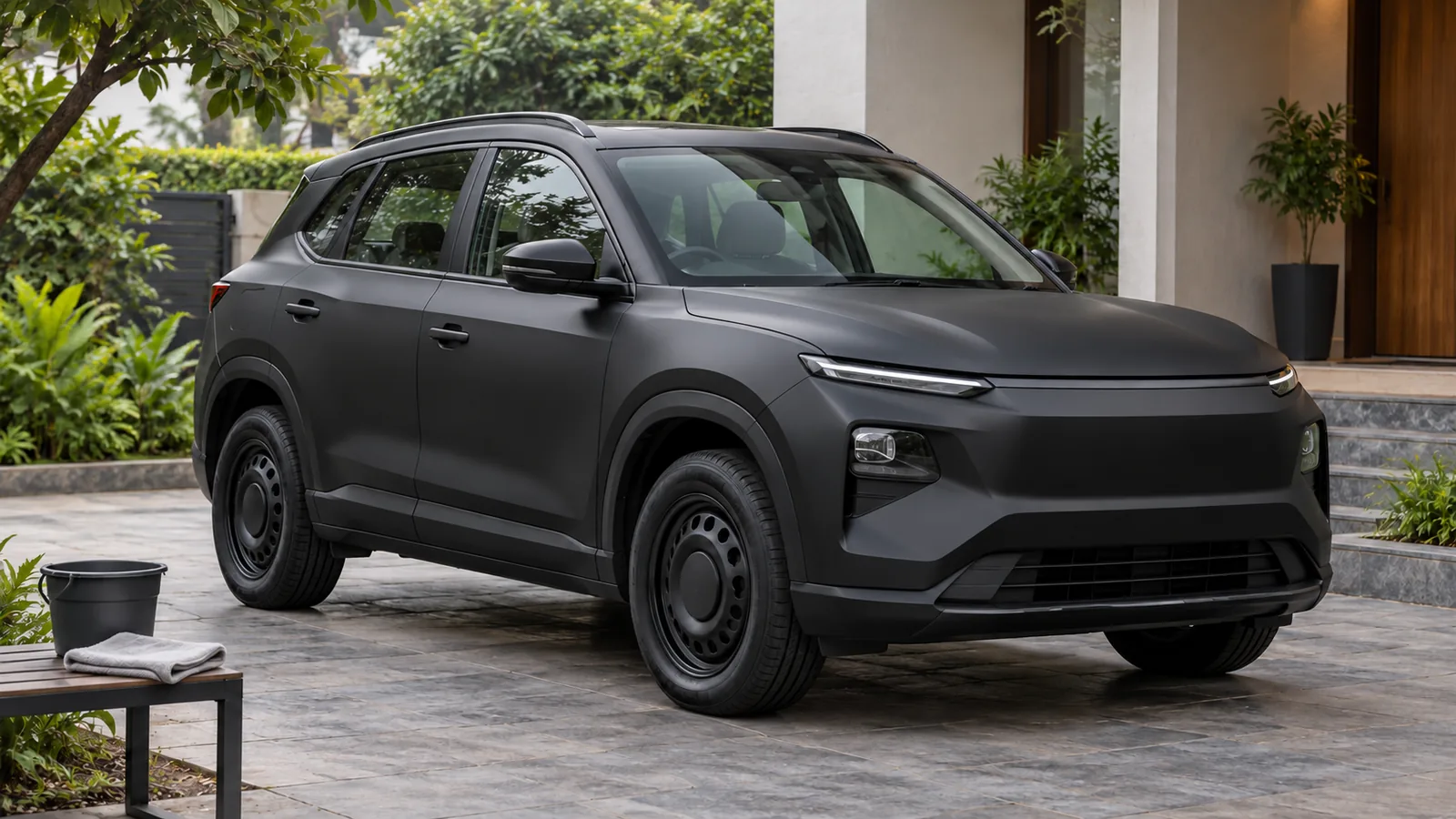
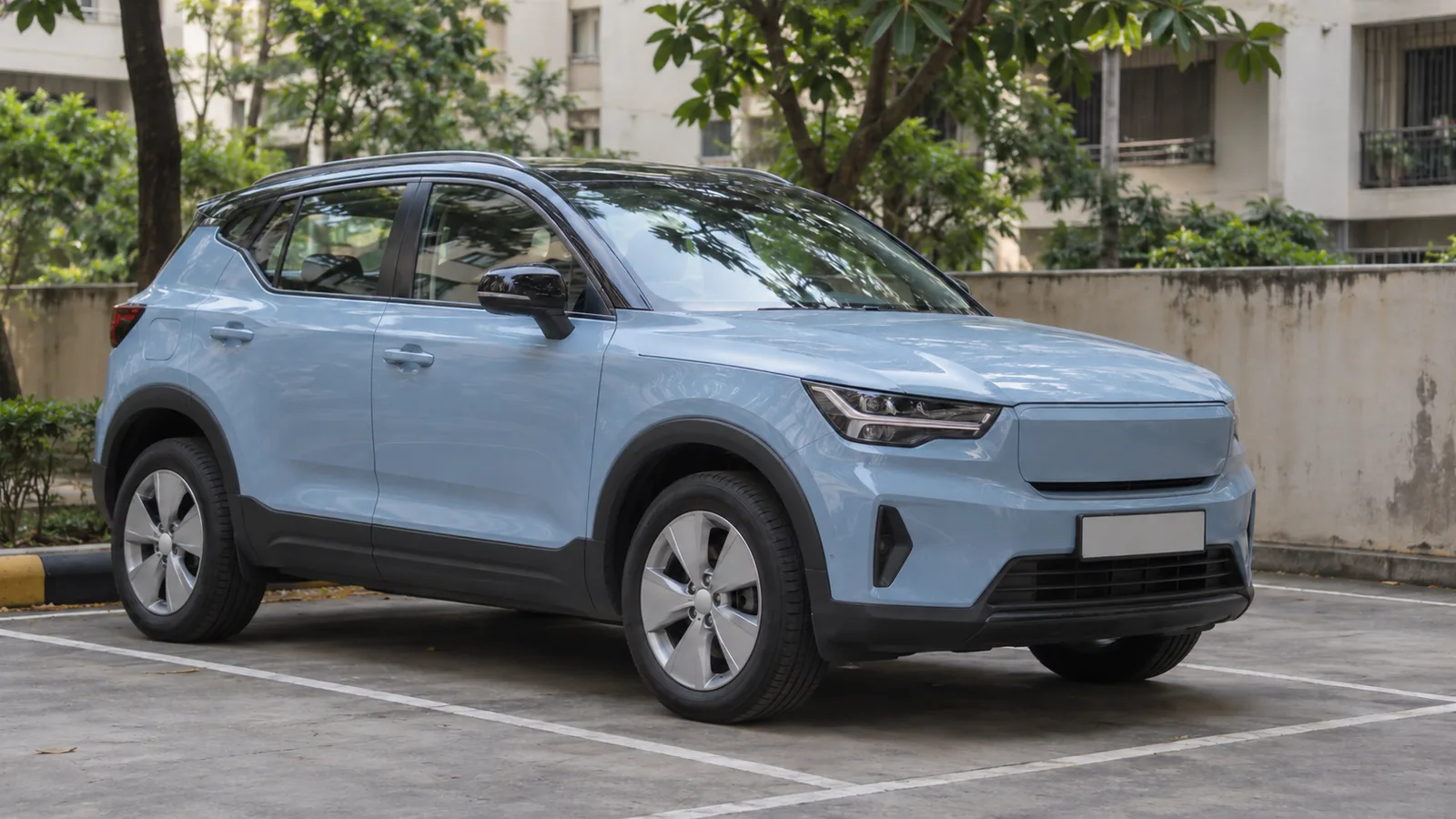
Cover illustration: an AI-generated generic, unbranded compact electric SUV in a Mumbai parking bay. It does not reproduce the official Volvo EX30 design or its actual dimensions.
EX30 dimensions: measure the mirrors, not just the body
Volvo's Indian specification page lists a length of 4,233 mm and body width of 1,838 mm. Width increases to 2,032 mm including the mirrors, or 1,940 mm with them folded. The listed turning circle is 11 metres. Source: official EX30 exterior dimensions.
For an apartment parking space, compare the mirror-inclusive width with the usable gap between walls, columns and neighbouring cars. Then allow room to open the door and get out. A bay that accommodates the body can still be inconvenient if the approach is narrow or a structural column sits beside the driver's door.
Measure the route into the space as well as the final bay. A turning-circle specification is useful context, but it does not recreate the corner angles, ramp transitions or obstacles in your building. Where practical, arrange a supervised parking assessment with the dealer and confirm the demonstration vehicle's specification.
Boot figures describe different loading conditions
The Indian specification sheet lists 318 litres of open luggage capacity with the rear row upright and a maximum of 1,000 litres with seats folded. It separately lists other capacity definitions; these should not be added together. Source: the official storage measurements.
Assess the configuration you actually use. If rear passengers usually travel with you, an expanded figure with their seats folded is not the relevant holiday-luggage measure. Bring your regular suitcases, stroller or work equipment to a showroom visit and check the opening, load height and access to the floor compartments.
Also decide where charging cables will be stored. Useful storage is about retrieving the things you need without unloading the entire boot, not simply maximising a brochure number.
Parking assistance still needs a demonstration
Volvo's Indian overview lists Park Pilot Assist and a 360-degree camera with a 3D view for the EX30 Ultra. The site notes that features can vary by market, equipment and model year. Source: the official equipment overview and disclaimer.
Confirm those features on the actual order and ask the retailer to demonstrate their operating conditions. Check the camera view around a kerb and learn what the system expects the driver to do. Cameras and parking assistance can help, but the driver still needs to observe surroundings and understand the system's limits.
Try the rear seat and everyday controls
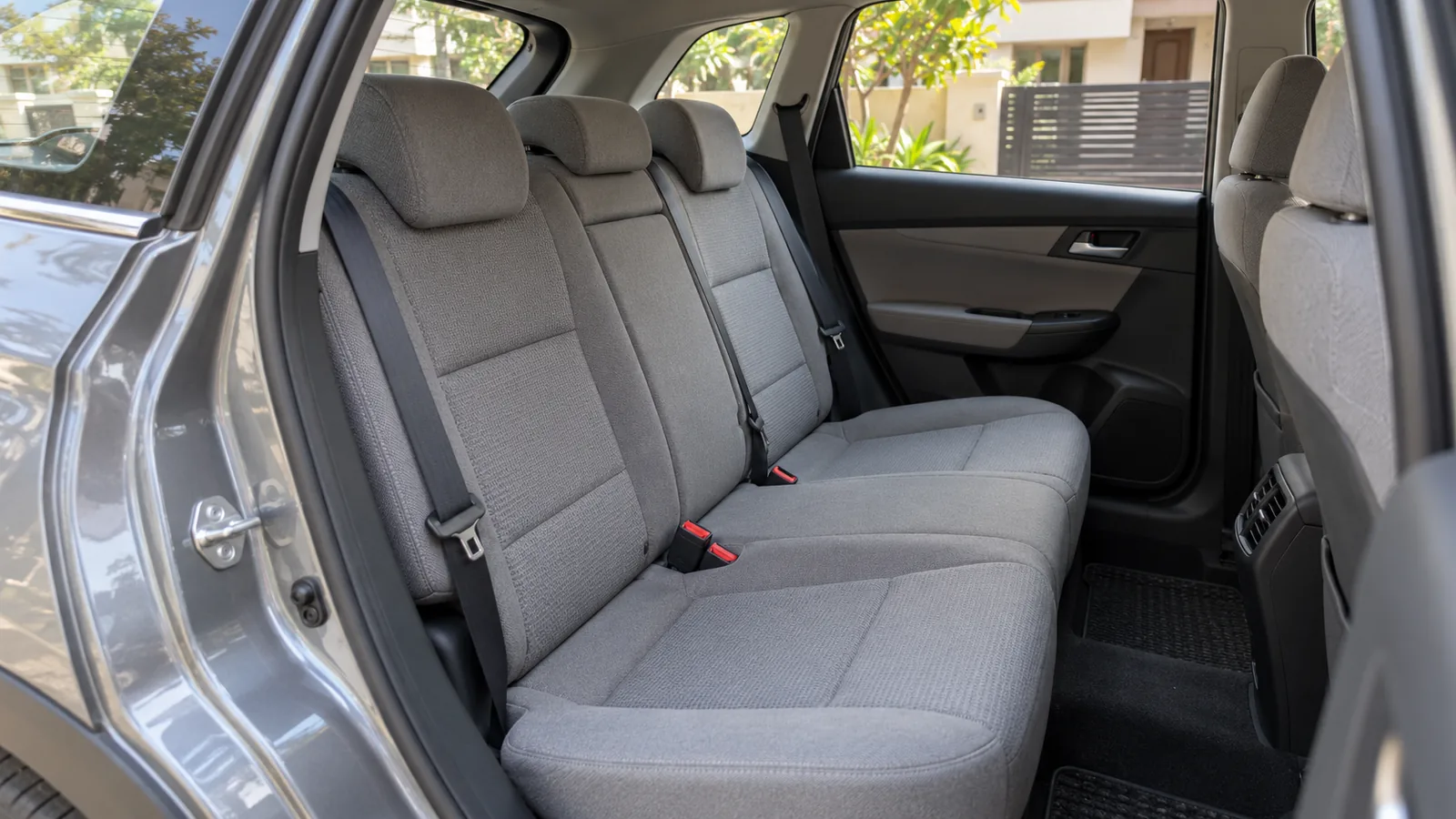
Set the front seat for the person who normally drives, then assess the seat behind it. Check knee room, foot space, entry and the ability to fasten a belt comfortably. If a child seat is part of your routine, bring the actual seat for a fit assessment following the vehicle and child-seat instructions.
While safely parked, try the display, ventilation adjustments, navigation and parking controls you will use frequently. Pair your phone if the dealer permits, and confirm which functions require an account or connected service. An interface should feel manageable to its regular driver, not merely impressive during a guided demonstration.
Finish with an ownership plan
Before ordering, confirm your charging installation arrangements, service access, warranty and written delivery terms. Use AutoCred's car loan eligibility checker to check an indicative eligible amount and estimated EMI before shortlisting or your dealer visit. Allow for insurance, charging and other ownership costs. Results are indicative; final eligibility, rate, tenure and approval depend on the lender.