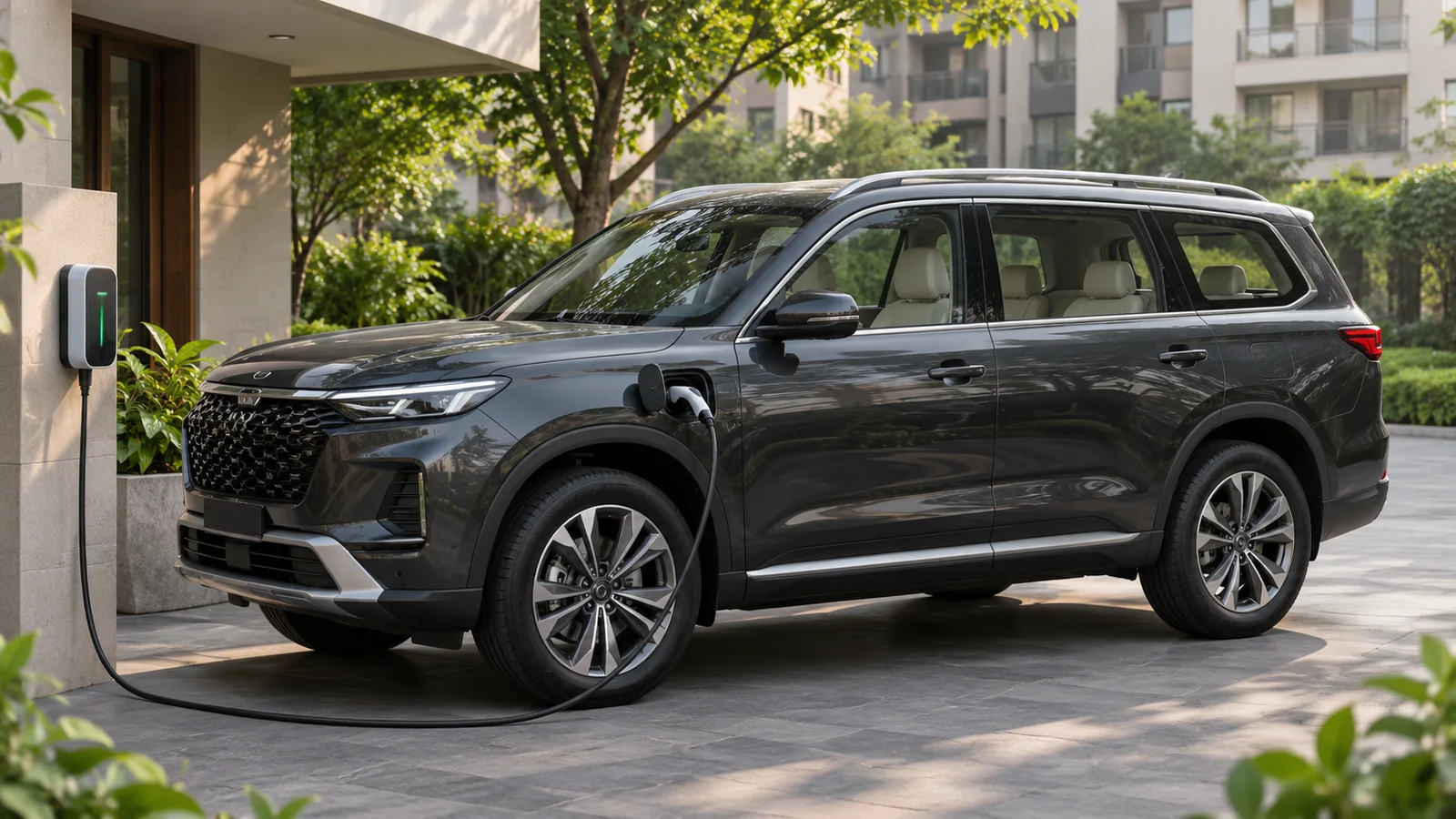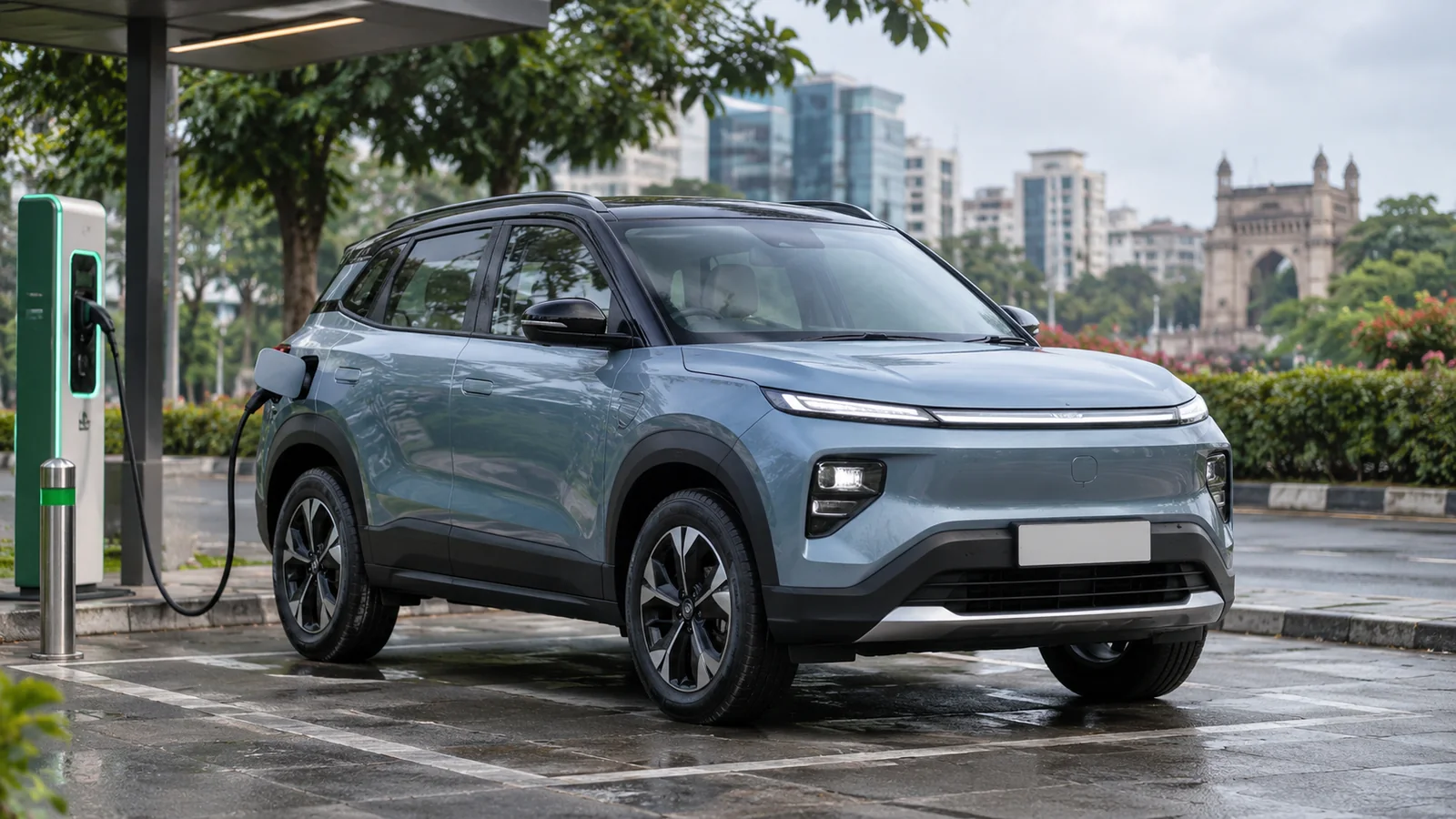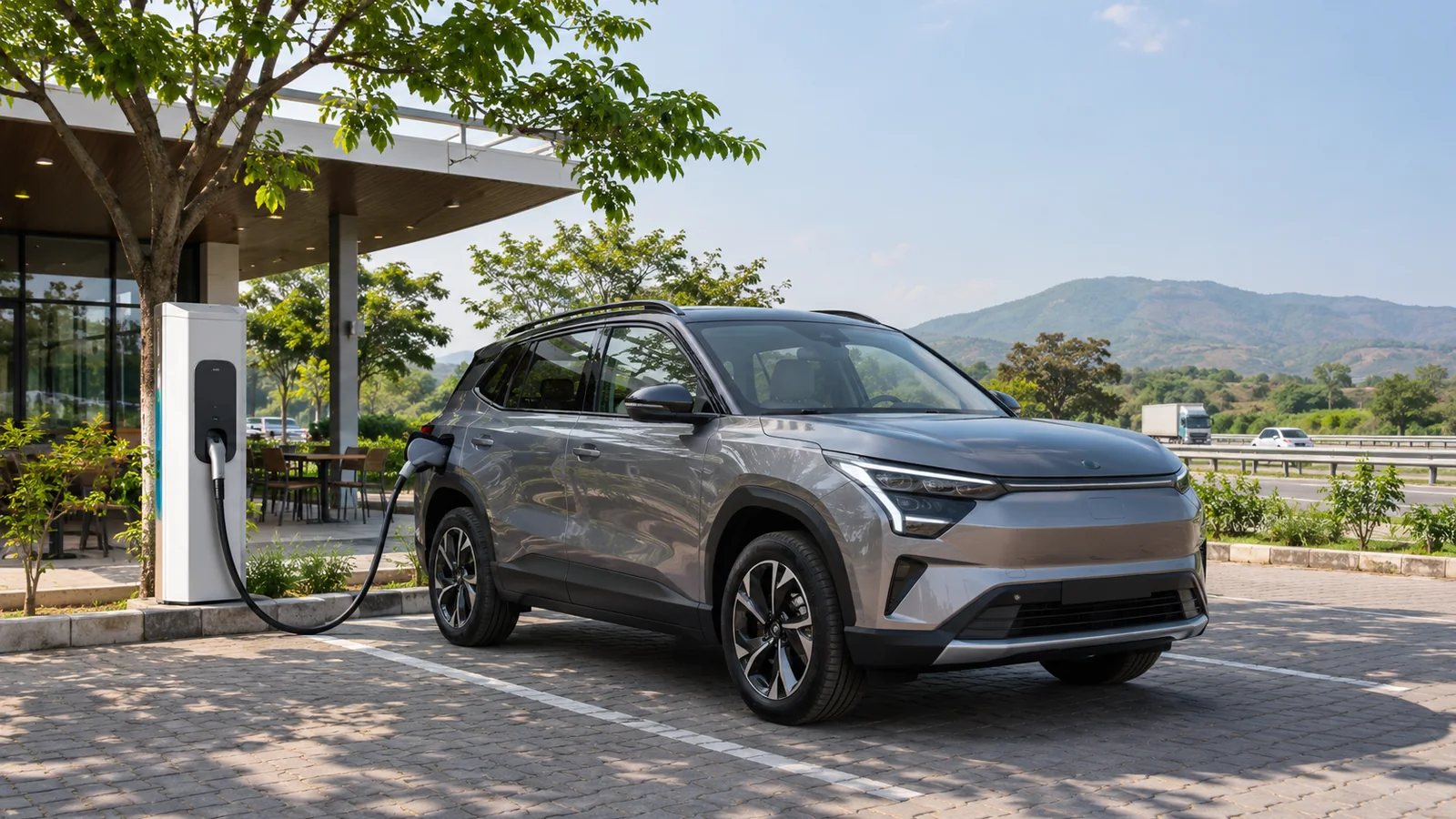
Tata Sierra.ev Range: 63 kWh vs 75 kWh, Explained
The Tata Sierra.ev’s headline range is only part of the buying decision. Tata’s official support data lists three battery-and-drive combinations, and its published C75 estimates are more conservative than the MIDC-certified figures. Comparing both gives buyers a more useful starting point for daily use and longer trips. Tata.ev’s support page lists the Sierra.ev battery capacity and both range figures for each version.
Before shortlisting a version, check your indicative eligible amount and estimated EMI. These estimates can help you plan a budget; final eligibility, rate, tenure and approval depend on the lender.
Tata Sierra.ev range: three official configurations
Tata’s support table lists a 63 kWh Sierra.ev, a 75 kWh version and a 75 kWh QWD version. Their MIDC Part 1 + Part 2 figures are 535 km, 665 km and 624 km respectively. The corresponding C75 estimates are 440–460 km, 510–530 km and 480–500 km. These are manufacturer-published figures, not a promise of the distance every owner will cover in every drive. See the current Tata.ev range table.
| Version | Battery | MIDC P1+P2 | Tata C75 estimate |
|---|---|---|---|
| Sierra.ev 63 | 63 kWh | 535 km | 440–460 km |
| Sierra.ev 75 | 75 kWh | 665 km | 510–530 km |
| Sierra.ev 75 QWD | 75 kWh | 624 km | 480–500 km |
Why the 75 kWh QWD figure is lower
The largest battery does not automatically produce the longest published range across every configuration. Tata’s Sierra.ev product page describes QWD as a dual-motor setup and lists additional terrain and off-road features on the corresponding top trim. The 75 kWh rear-drive version has the highest published range figures; the QWD version’s figures are lower. Buyers should therefore decide whether the added drive system and equipment suit their routes before paying for a more capable configuration. Tata’s Sierra.ev page shows the listed equipment and QWD setup.
Use C75 for planning, then leave a buffer
MIDC P1+P2 is the certified comparison figure that combines urban and extra-urban test cycles. Tata says its C75 disclosure is a near-real-world estimate based on historic usage data, intended to indicate the range that 75% of customers may expect. Neither number can replace a route plan for your own speed, traffic, climate control and terrain. Tata explains how its MIDC and C75 disclosures differ.
For regular inter-city travel, map the charging stops you would actually use and plan around the lower end of the relevant C75 band, with a reserve for detours or unavailable chargers. For a mostly urban routine with reliable overnight charging, the 63 kWh version may already cover the usual week; test that assumption against your own daily distance rather than the certified maximum.
What to confirm before booking
- Ask the dealer to confirm the exact battery, drive configuration and current on-road quote for the variant in stock.
- Check which comfort, driver-assistance and terrain features are included on that trim; Tata’s page groups equipment by variant.
- Arrange a test drive on roads similar to your commute and ask how home charging will work at your parking space.
- For frequent highway use, check charging stops on your regular routes and decide whether the extra range of the 75 kWh rear-drive version matters more than QWD equipment.
The useful takeaway is not simply “665 km”: the 75 kWh rear-drive version has the highest official range figures, while the QWD model pairs the same battery capacity with a different equipment and drive package. Verify the exact version, charging plan and dealer quote before committing. You can also check an indicative eligible amount and estimated EMI before a dealer visit; results are indicative, and final eligibility, rate, tenure and approval depend on the lender.