Nissan India August 2026: 147% Domestic Growth and Tekton Export Strategy
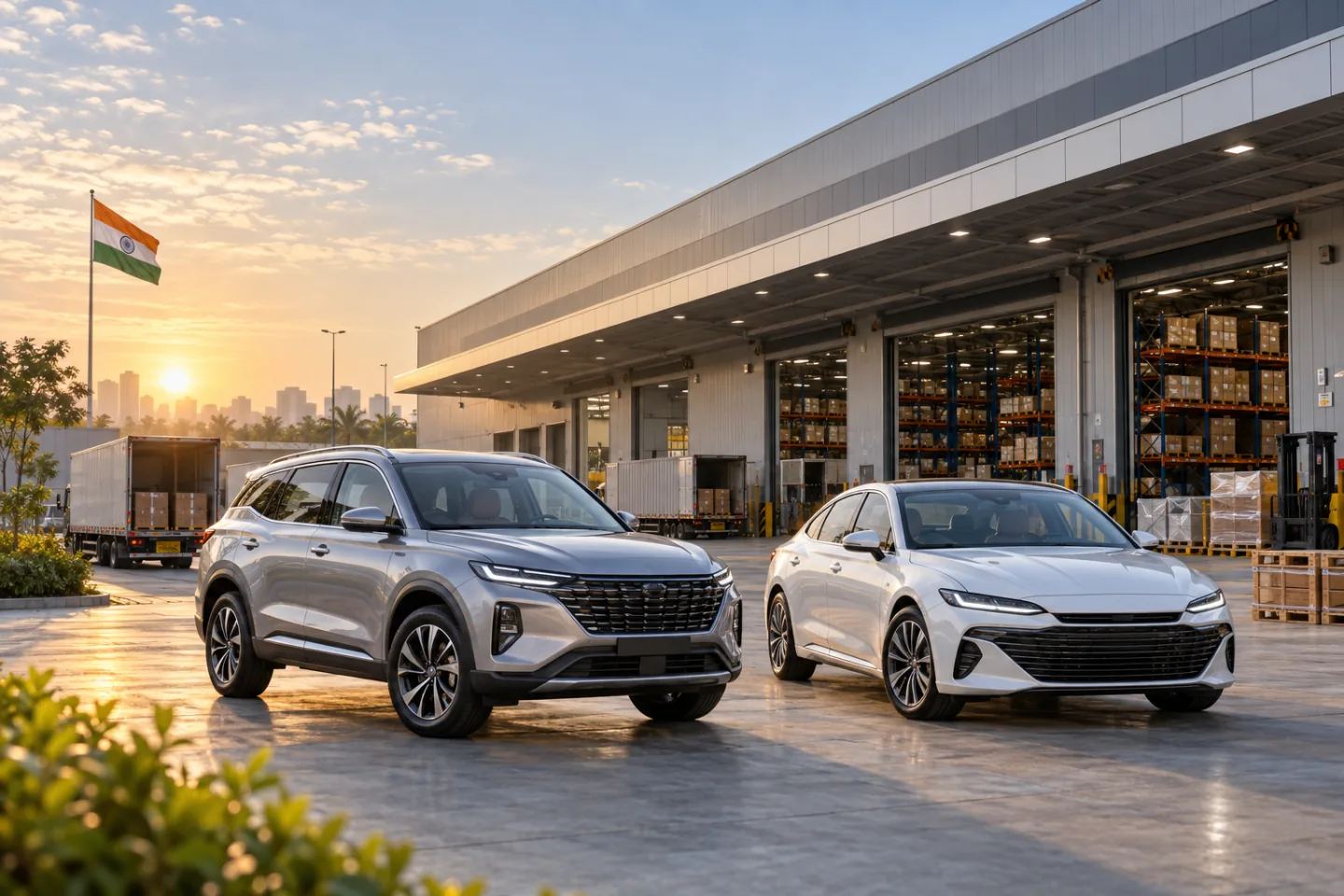
Nissan Motor India’s August 2026 numbers show a business trying to build scale on two fronts at once: a broader domestic SUV portfolio and a larger export role for its Chennai manufacturing base. According to the company’s official August performance release, Nissan recorded total wholesale dispatches of 9,350 vehicles during the month, including 3,426 units for India and 5,924 units for overseas markets.
The headline 147% year-on-year increase in domestic wholesale is significant, but the mix behind the number is equally important. Nissan attributed the improvement to continued demand for the Magnite and Gravite, along with the market response to the Tekton. This gives the company three distinct SUV propositions instead of depending on a single volume model.
Nissan’s August 2026 sales mix: exports remained the larger engine
Exports accounted for about 63.4% of Nissan’s 9,350 total August wholesale units, based on an AutoCred calculation using the figures disclosed by the company. Domestic dispatches represented the remaining 36.6%. That split shows why Nissan’s India strategy cannot be judged only by showroom sales within the country.
The figures are wholesale dispatches, which means vehicles supplied into dealer or export channels. They should not be read as retail registrations or final customer deliveries. A stronger assessment of domestic momentum will require several months of retail data, dealer inventory movement and model-wise demand. Even so, the 147% domestic growth indicates that the expanded product range is giving Nissan a broader base from which to compete.
Tekton adds a second growth route through exports
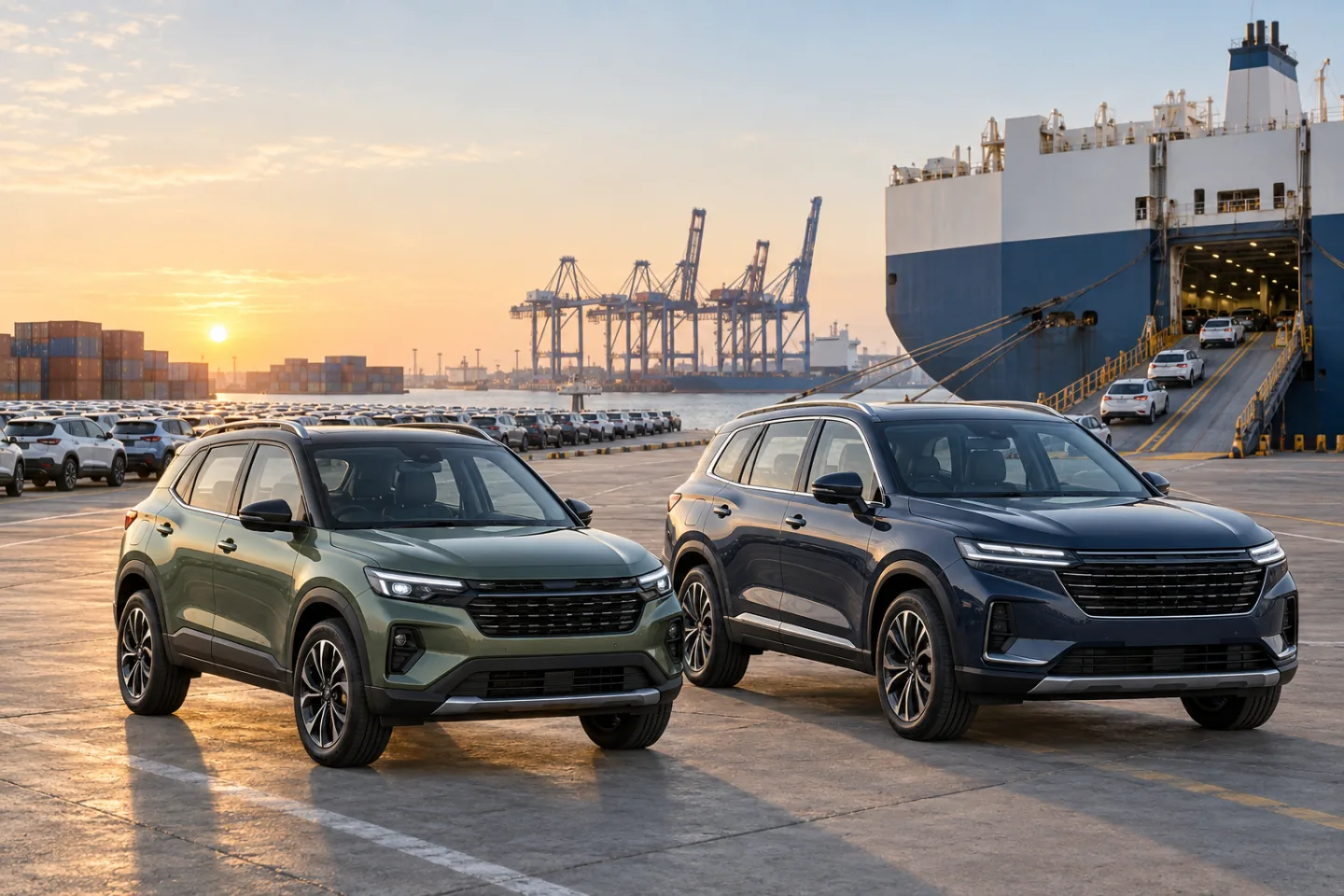
Nissan said it dispatched the first export batch of more than 1,300 Tekton SUVs to South Africa, Bhutan and Nepal. The company described this as the first phase of the model’s international journey, with additional markets expected to follow progressively.
The export start matters because the Tekton was designed from the outset for both Indian and overseas customers. At its July 2026 world premiere, Nissan identified the Chennai-built C-SUV as a central part of its India resurgence and its “One Car, One World” approach. The model therefore serves two jobs: it expands Nissan’s domestic presence in a competitive SUV segment and gives the Chennai operation another export product.
“One Car, One World” builds on the Magnite export playbook
Nissan has already used the same manufacturing-and-export model with the Magnite. In its November 2024 Magnite export announcement, the company said more than 2,700 units had been sent to South Africa within a month of launch and that the Chennai-built SUV would reach more than 65 international markets.
The Tekton’s first overseas dispatch suggests Nissan is extending that playbook to a larger, more premium vehicle. Shared production for India and export markets can support better plant utilisation and a wider production base. For the brand, it also reduces reliance on demand from one geography. The practical test will be whether export volumes remain consistent while domestic supply and service support grow with the range.
What Nissan must do to convert product momentum into durable growth
A new model can create an early wholesale jump, but sustainable performance depends on repeat demand. Nissan has identified a growing product portfolio, improved customer experience and a wider international footprint as its priorities. For India, that puts execution in three areas under focus:
- Dealer reach and availability: buyers need reasonable access to display cars, test drives, deliveries and service support outside the largest cities.
- Balanced inventory: dispatch growth is healthier when it follows customer demand instead of accumulating as dealer stock.
- Portfolio consistency: Magnite, Gravite and Tekton must attract different buyer groups while maintaining a clear Nissan SUV identity.
The next few months should show whether August was mainly the benefit of a product launch and initial export loading, or the beginning of a higher operating level. Domestic retail registrations, export continuity and the pace of dealer expansion will be the useful indicators to watch.
What the strategy means for Indian car buyers
A larger locally manufactured portfolio can improve choice, variant availability and long-term confidence in the brand’s India operations. Buyers should still compare the complete on-road cost, realistic delivery time, service access, safety equipment and resale expectations for the exact variant under consideration. Wholesale growth alone does not determine whether a particular vehicle is the right purchase.
If you are planning a Nissan or another new car purchase, use AutoCred India’s car loan eligibility checker to estimate a suitable financing range before visiting the dealership. The result is indicative; final eligibility, rate, tenure and approval depend on the lender’s assessment and policy.
Sources: Nissan Motor India — August 2026 wholesale and Tekton export update; Nissan Motor India — Tekton world premiere; Nissan Motor India — Magnite export announcement. Accessed 28 September 2026.